
Blood Donation on TRT: Managing Erythrocytosis, Hydration, and Alternatives
When determining what testosterone levels qualify for TRT and managing long-term hormone replacement therapy, patient safety requires close monitoring of blood parameters. One common physiological response to exogenous testosterone is an increase in red blood cell production, known medically as erythropoiesis.
While this is a natural mechanism, it can occasionally lead to elevated red blood cell counts, haemoglobin, or haematocrit levels (secondary erythrocytosis). Managing this effectively involves lifestyle factors like hydration, routine blood donations, or private medical interventions when required.
This guide explores how TRT impacts your blood counts, the balance between regular donation and iron storage depletion, and your options for managing haematocrit safely through the NHS or private providers within the UK.
In This Guide
Why Testosterone Replacement Therapy Influences Blood Viscosity
Testosterone stimulates bone marrow activity and signals the kidneys to produce more erythropoietin (EPO), the hormone responsible for red blood cell production. For many men, this optimises energy and endurance, but it can also raise haematocrit—the percentage of your blood volume made up of red blood cells—beyond standard clinical thresholds.
When haematocrit climbs too high, blood viscosity (thickness) increases, forcing the heart to work harder to circulate blood. Monitoring Complete Blood Count (CBC) panels routinely is essential to catch secondary erythrocytosis early.
The Crucial Role of Hydration and General Health
Before jumping to conclusions about rising haematocrit, it is vital to assess hydration status. Dehydration causes plasma volume to drop, which artificially skews blood test results to make haematocrit and haemoglobin appear deceptively high (relative polycythemia).
Ensuring optimal daily water intake, maintaining cardiovascular health through regular exercise, and minimising lifestyle factors that strain red blood cell production can significantly stabilise lab numbers naturally before any clinical intervention is required.
Donation Frequency: Every 3 to 4 Months
For patients whose haematocrit remains persistently elevated despite lifestyle modifications, some medical providers recommend blood donation every 3 to 4 months—essentially matching the earliest permissible interval allowed between standard whole blood donations.
This schedule helps mechanically reduce red cell mass and keep blood viscosity within a healthy physiological range. However, this approach requires careful monitoring to prevent long-term complications associated with frequent blood removal.
The Pros and Cons: Protecting Your Ferritin Levels
While routine blood donation is an effective tool to control secondary erythrocytosis on TRT, it carries a notable downside: the rapid depletion of stored iron (ferritin).
The Pros
Successfully lowers blood viscosity, reduces cardiovascular strain, prevents dangerous thrombotic risks, and supports community blood banks.
The Cons
Frequent blood removal depletes iron and ferritin stores, risking iron-deficiency fatigue, cognitive fog, and poor recovery if unmonitored.
The Balance
Always track serum ferritin alongside your full blood count. Iron supplementation should only be introduced if clinically indicated by a doctor.
Donating Through the NHS and Private TRT Clinics
Many men choose to manage their haematocrit by donating blood through the NHS Blood and Transplant (NHSBT) service. If you are under the care of a private TRT clinic, obtaining routine blood tests and donor clearance is generally completely fine, provided you meet NHS donor eligibility criteria (such as maintaining a haemoglobin level under strict safety parameters).
Always check current blood service guidelines beforehand, as specific medical histories or medication criteria apply to all regular blood donors.
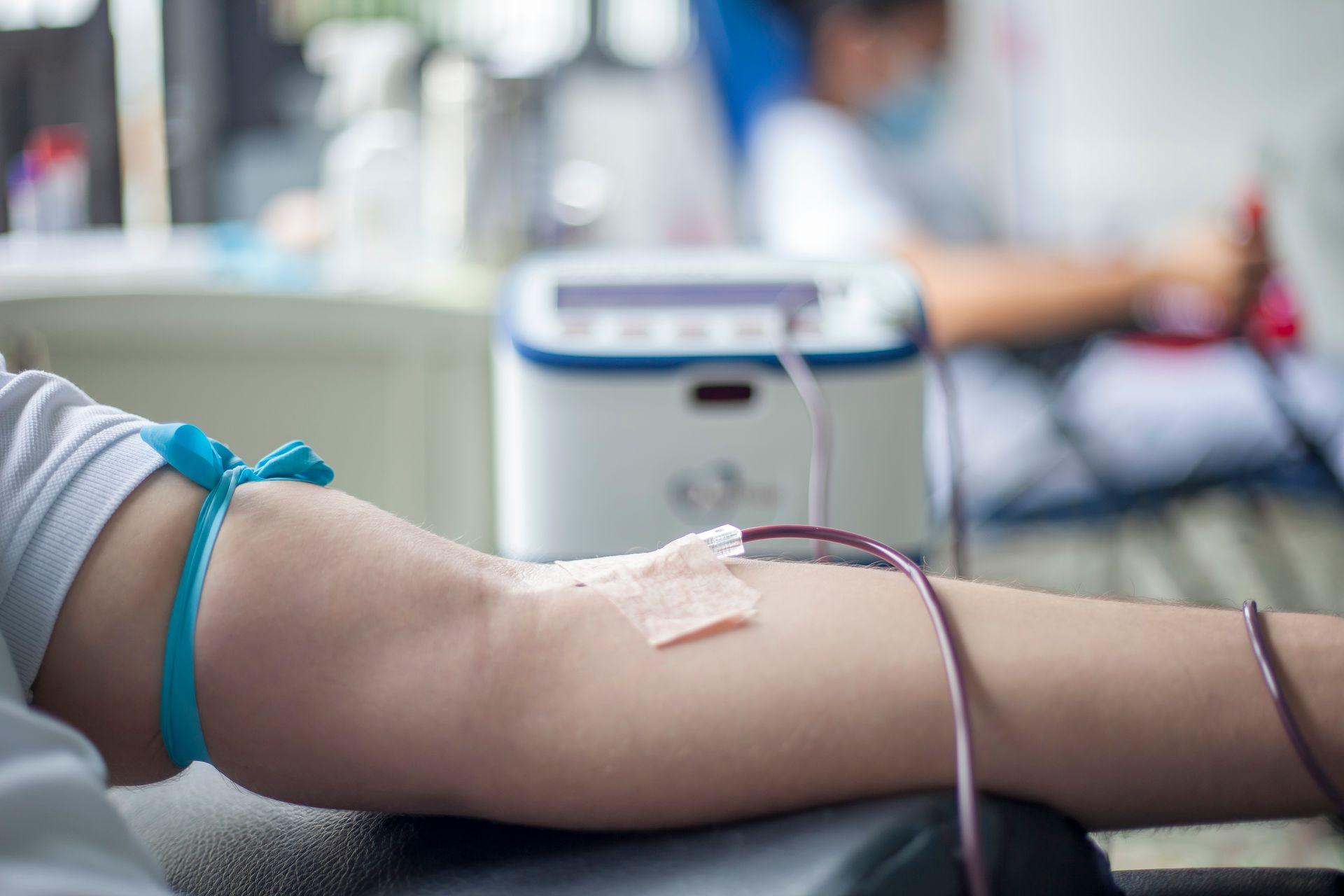
Private Venesection Providers in the UK
If you do not meet standard NHS blood donation criteria—or if you require a clinical therapeutic venesection prescribed by your practitioner—private options are widely available across the UK.
Organisations such as Haemochromatosis UK provide comprehensive resources, including a directory via their private venesection providers link, detailing specialised clinics and clinical partners offering safe blood removal services.
Additionally, you can search online or look for local private phlebotomy and wellness clinics in your area. Keep in mind that private venesections can be relatively expensive compared to NHS donation, but they offer a reliable alternative when therapeutic medical oversight is required.
Frequently Asked Questions About Blood Donation on TRT
Does being on TRT automatically disqualify me from donating blood?
No. Being on medically prescribed testosterone replacement therapy does not inherently prevent you from donating blood through services like the NHS, provided your haemoglobin and haematocrit fall within safe acceptable donation limits.
How often can I donate blood to manage high haematocrit?
Standard whole blood donation intervals typically require waiting 12 to 16 weeks between sessions. Exceeding this frequency independently without medical supervision can severely crash your iron stores and ferritin levels.
What is the difference between blood donation and therapeutic venesection?
Blood donation processes blood for general public supply use, subject to strict blood bank screening. Therapeutic venesection is a clinical procedure ordered specifically by a physician to manage medical conditions like polycythemia or iron overload, often handled through specialised clinical channels.
How can I find private venesection clinics near me in the UK?
You can check specialised patient support sites like Haemochromatosis UK for a directory of clinical providers, or search for accredited private phlebotomy and wellness clinics operating across your local region.
Can dehydration make my haematocrit look higher on blood tests?
Yes. Inadequate fluid intake reduces your blood plasma volume, artificially spiking haematocrit percentages on a Complete Blood Count (CBC) panel. Always ensure you are well-hydrated before lab draws.
How do I prevent low ferritin while managing red blood cells?
Regularly review your serum ferritin alongside your full blood count. If levels drop too low, consult your clinician regarding dietary adjustments or cautious iron supplementation to avoid iron-deficiency anaemia.