Join our community
UKTRT.co.uk is a dedicated hub for everything related to Testosterone Replacement Therapy in the UK. From recognising low testosterone symptoms and understanding bloodwork to comparing NHS and private treatment options, this platform is designed to make TRT information clearer and easier to navigate.
Explore guides, tools and articles covering TRT symptoms, erectile dysfunction, blood tests, clinic comparisons, treatment protocols, lifestyle factors, the ADAM questionnaire, and practical TRT optimisation advice.

A complete introduction to Testosterone Replacement Therapy in the UK covering low testosterone symptoms, hormone blood testing, treatment pathways, and the key questions men often ask when researching TRT.
A simplified visual showing how low testosterone is often assessed, treated and monitored over time.
Symptoms and bloodwork may suggest lower testosterone levels.
Clinical review, diagnosis, treatment discussion and ongoing monitoring.
Ongoing reviews help keep treatment structured and monitored over time.
Learn the common signs of low testosterone and how they impact energy, mood, libido and performance.
Understand testosterone levels, SHBG, free testosterone, estrogen and other key blood markers.
Explore TRT protocols including injections, gels, HCG, fertility considerations and optimisation.
Guides on erectile dysfunction, libido issues and hormone related sexual health.
Use TRT calculators, free testosterone tools, unit conversions, and our popular hCG reconstitution calculator.
Understand the differences between NHS testosterone treatment and private TRT clinics.
Explore our foundational guides on Testosterone Replacement Therapy in the UK, covering symptoms, bloodwork, treatment pathways, costs, and HCG.

Learn the common physical, mental, and sexual symptoms linked to low testosterone.
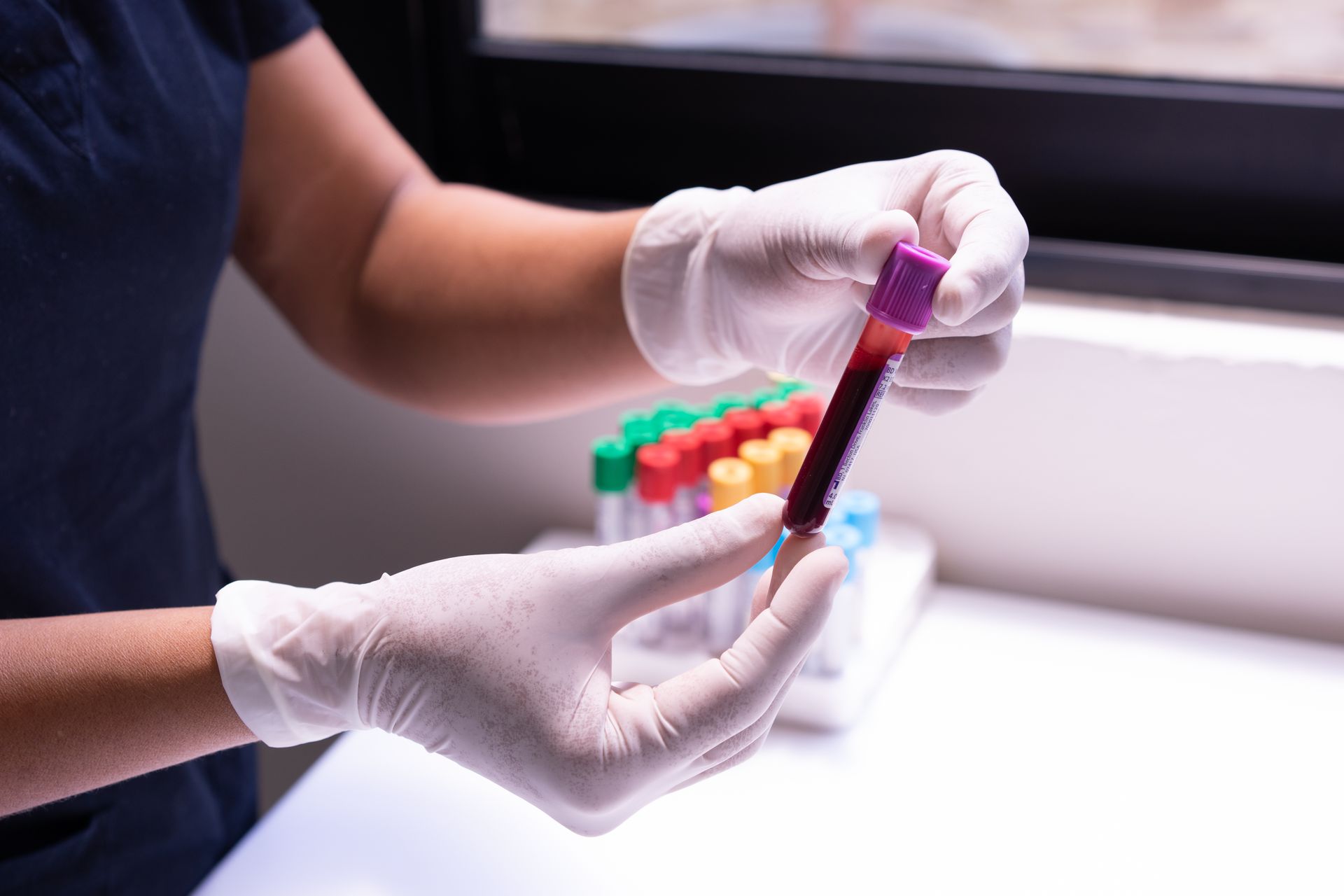
Learn exactly which blood tests are required for TRT in the UK, from initial diagnostic panels to ongoing monitoring.
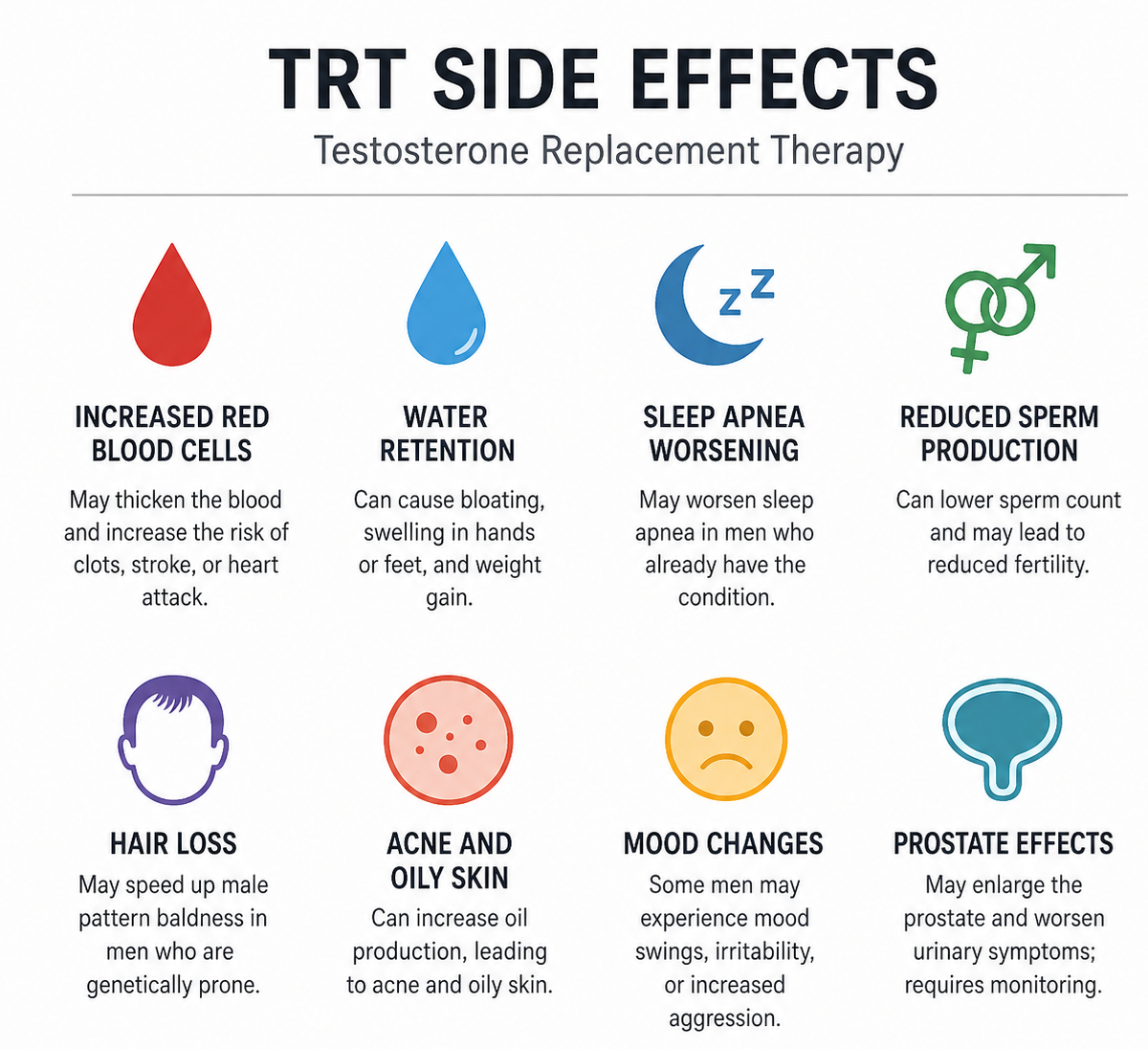
Understand the main possible side effects of TRT, including raised haematocrit, acne, fertility changes, hair loss, PSA and blood pressure.
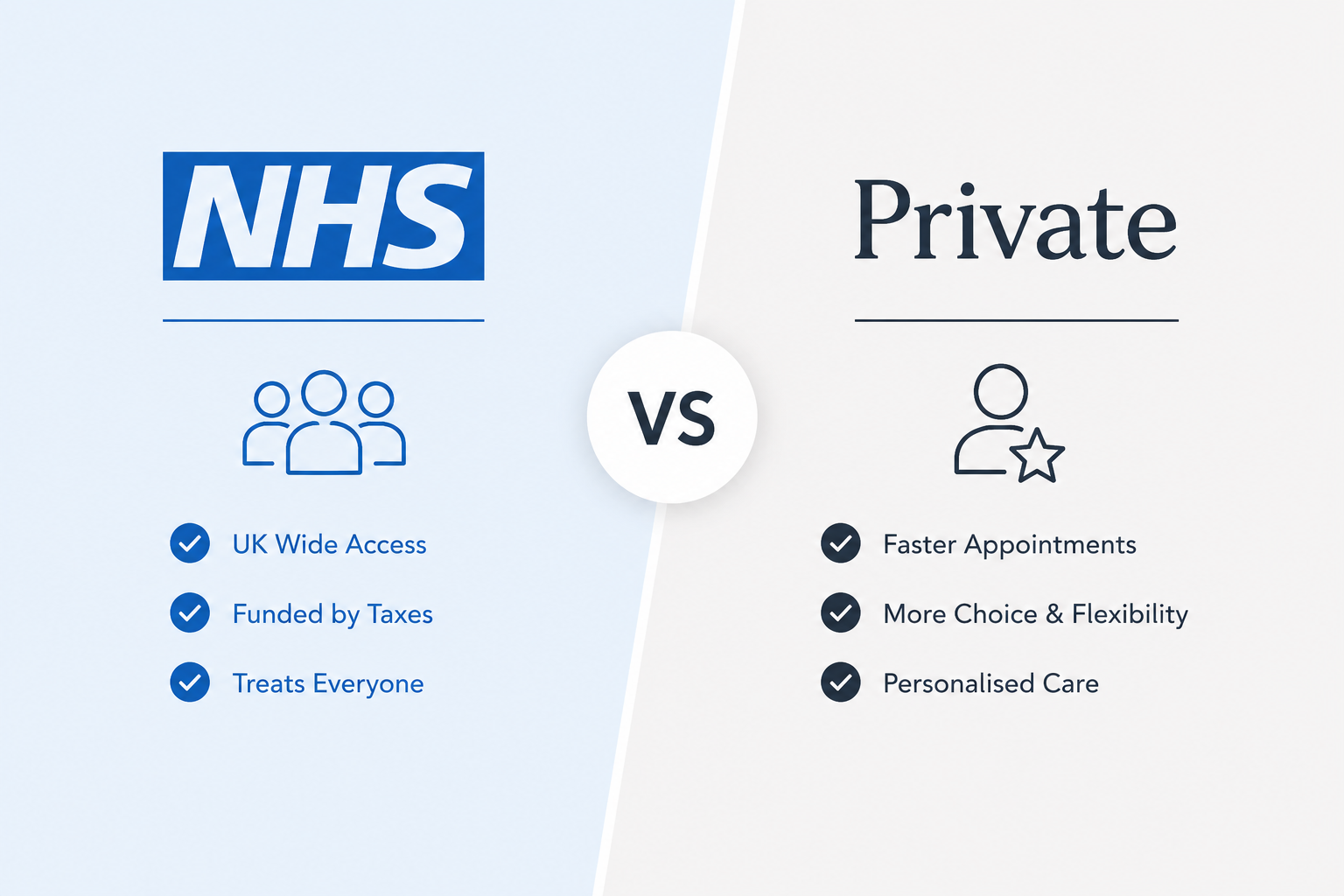
Understand the differences between NHS treatment and private TRT clinics in the UK.

Explore the typical costs of TRT in the UK including consultations, medication and bloodwork.
How hCG works alongside TRT including fertility support and hormone balance.
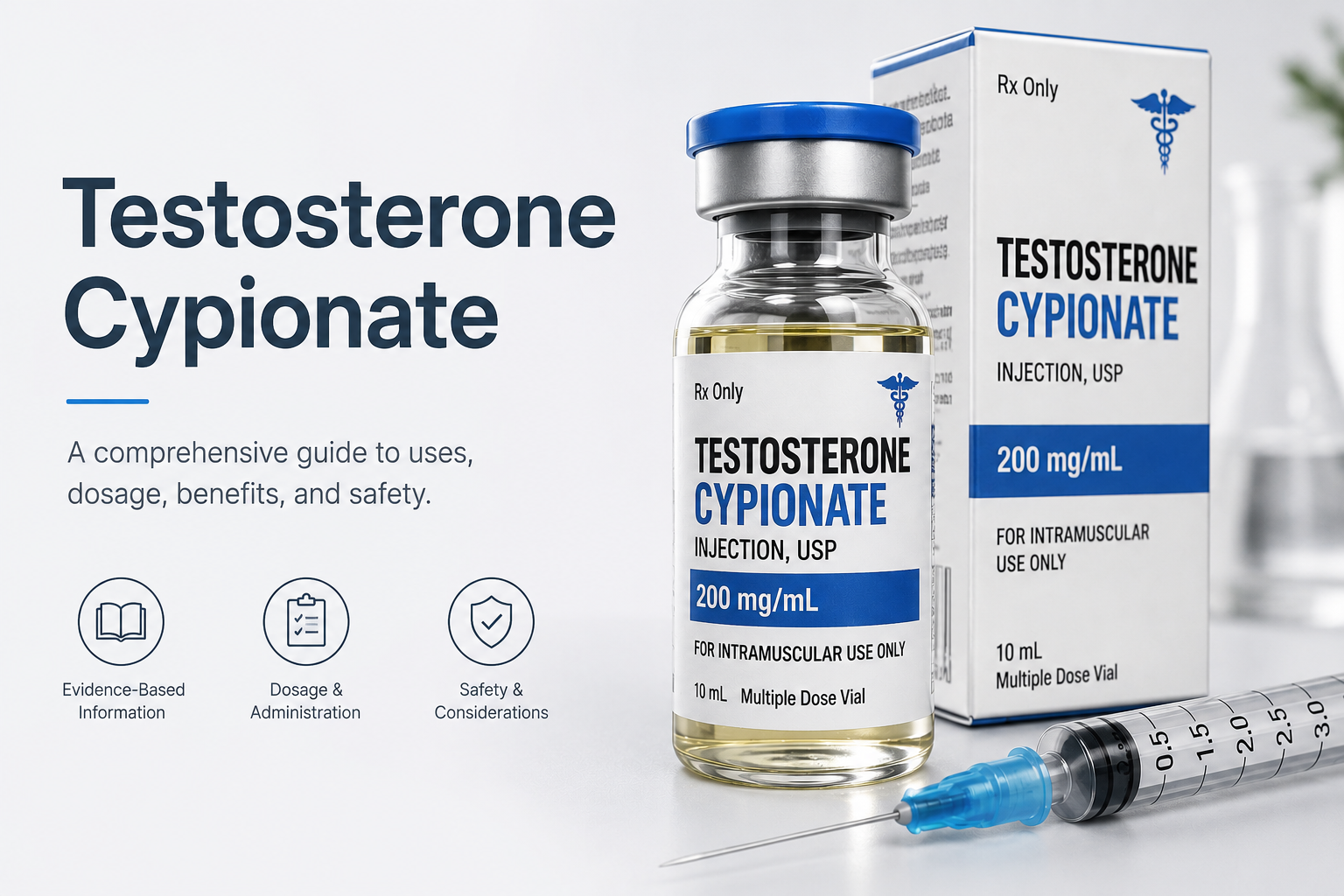
A detailed guide to testosterone Cypionate for doctor-led TRT in the UK, including treatment schedules and comparisons.
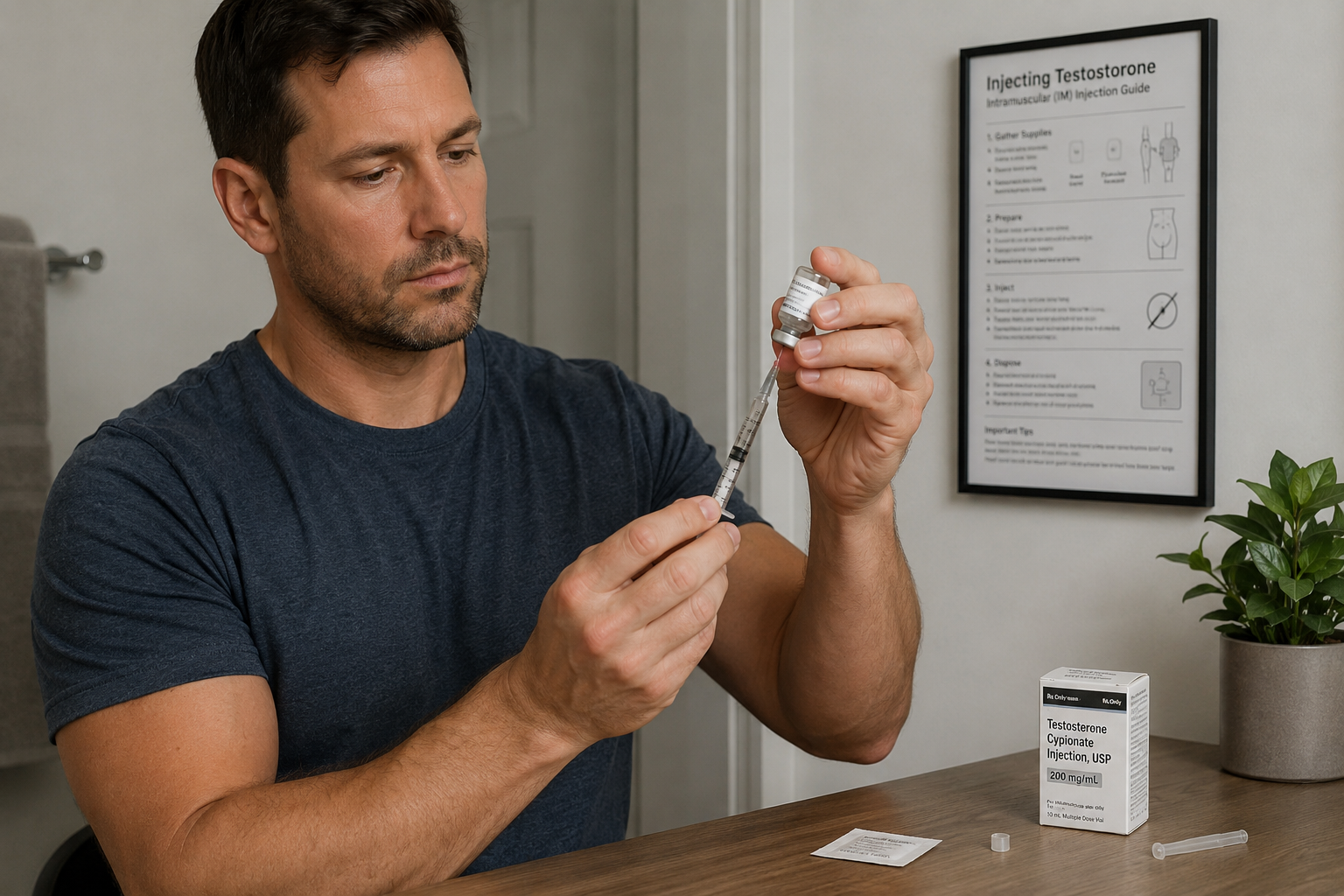
An overview of available medical modalities including injections, gels, and adjunct protocols.
Your comprehensive starting point for researching testosterone replacement therapy in the UK.