
CALCULATOR OVERVIEW
What Does a hCG Reconstitution Calculator Do?
An hCG reconstitution calculator converts the stated strength of an hCG vial into a measurable liquid concentration after the medication has been mixed with a specified volume of diluent.
Once the concentration is known, the calculator can determine how many millilitres correspond to the prescribed number of international units and how that liquid volume translates to the markings on a U-100 insulin syringe.
It can also calculate how many complete doses are mathematically available from the vial based on the values entered.
This is a mathematical conversion tool. It does not prescribe hCG, choose a treatment dose or confirm whether a particular preparation method is appropriate.
TREATMENT INFORMATION
hCG and Testosterone Replacement Therapy
Some men receiving Testosterone Replacement Therapy may also be prescribed human chorionic gonadotropin, commonly shortened to hCG, as part of an individual treatment plan.
Testosterone supplied externally can suppress signalling through the hypothalamic-pituitary-gonadal axis. LH and FSH can fall substantially, reducing stimulation of the testes and potentially suppressing sperm production.
hCG acts through the LH receptor and may therefore be discussed where testicular function, fertility or future family planning is clinically relevant.
It is not automatically required for every person receiving TRT. Whether hCG is appropriate, the dose used and the monitoring required should be decided by the clinician responsible for treatment.
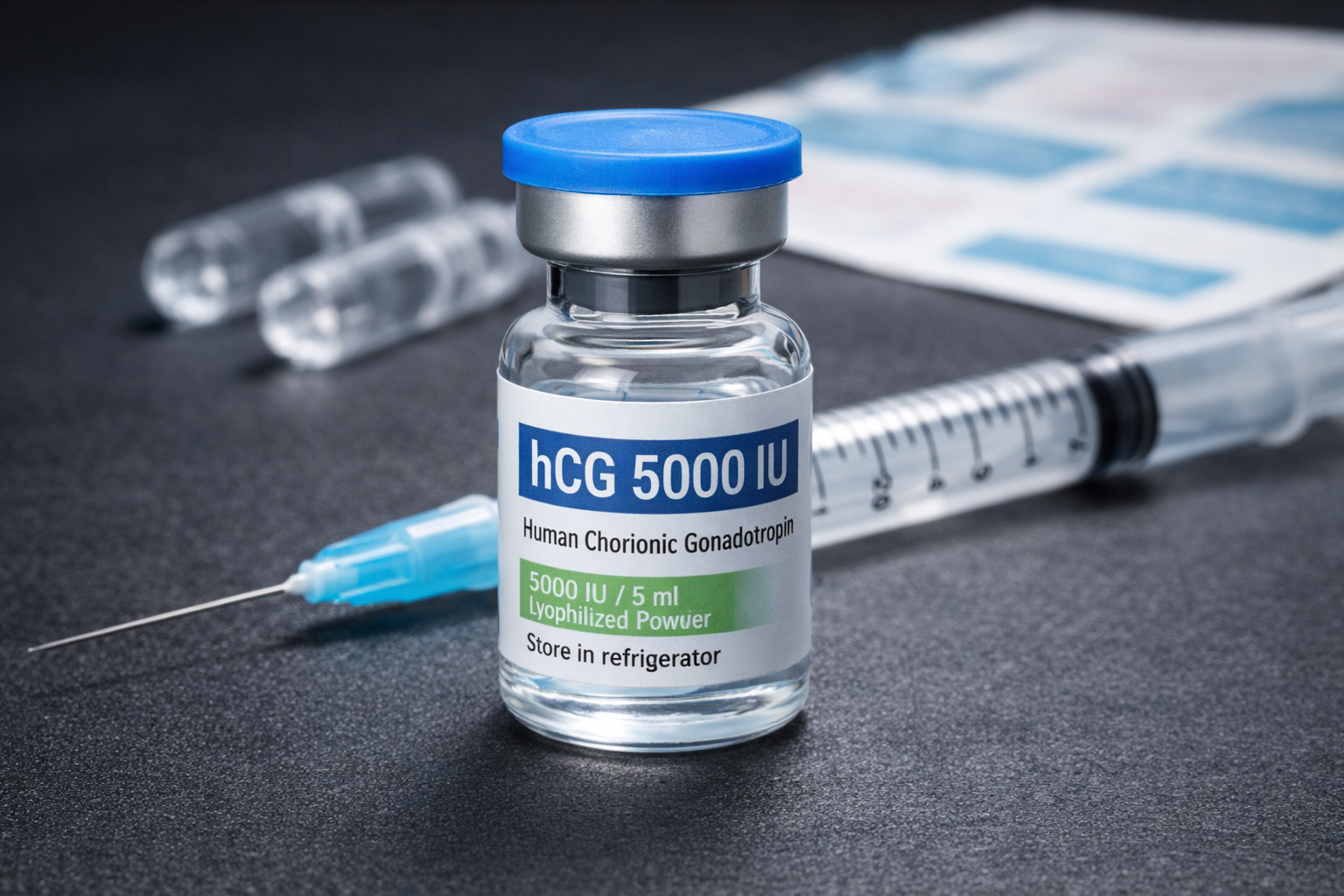
hCG on TRT Explained
Understand how hCG works, why it may be prescribed alongside TRT and how it relates to testicular function, fertility and hormone signalling.

TRT and Fertility: What to Know
Learn how testosterone therapy can affect LH, FSH and sperm production and why fertility planning may need to be considered before and during TRT.
THE MATHS
How hCG Reconstitution Is Calculated
The calculation happens in three stages. First the concentration of the prepared vial is established, then the liquid volume for the entered dose is calculated, and finally that volume can be translated into a U-100 syringe marking.
Shows how many IU are present in each millilitre after mixing.
Converts the entered dose into the liquid volume required.
Converts the liquid volume into the markings on a U-100 syringe.
For example, a vial containing 5,000 IU mixed with 2 mL has a concentration of 2,500 IU/mL. A 250 IU example dose would therefore equal 0.10 mL, which corresponds to 10 marked units on a U-100 syringe.
WORKED EXAMPLE
Example hCG Reconstitution Calculation
The following example demonstrates the mathematics only. It is not a dosing recommendation.
Dividing 5,000 IU by 2 mL gives a concentration of 2,500 IU per mL.
Dividing the example dose of 250 IU by 2,500 IU/mL gives a liquid volume of 0.10 mL.
Because a U-100 syringe contains 100 marked units per millilitre, 0.10 mL corresponds to 10 marked units on the syringe.
UNDERSTANDING THE RESULT
IU, Millilitres and U-100 Syringe Units
One of the most common sources of confusion when preparing hCG is that IU, millilitres and syringe units all describe different things.
- IU describes the stated biological activity or strength of the hCG.
- mL describes the actual liquid volume being drawn.
- U-100 syringe units are volume markings where 100 marked units equal 1 mL.
A syringe marking is therefore not the same thing as a medication dose in IU.
The number of IU represented by a particular syringe marking depends entirely on the concentration of the prepared solution.
If the same vial is mixed with a different amount of diluent, the concentration changes and the syringe volume required for the same IU dose changes with it.
PREPARATION
Which Diluent Volume Should You Enter?
Enter the exact number of millilitres used to prepare your own vial. Do not choose a different volume simply because it creates a more convenient syringe marking.
The appropriate diluent, preparation method, storage requirements and period of use after reconstitution depend on the specific product supplied.
Follow the instructions provided by your prescribing clinic, pharmacy or medication manufacturer.
If your stated preparation volume is not shown in the preset menu, the calculator allows a custom volume to be entered.
If any part of the supplied preparation instructions is unclear, ask your pharmacist or prescriber to confirm it before preparing the medication.
SAFE USE
Important Limitations of This Calculator
- The calculation is only as accurate as the values entered.
- The calculator does not verify the medication vial, prescription or pharmacy label.
- The calculator does not recommend an hCG dose.
- Displayed U-100 syringe units are rounded to the nearest whole unit.
- Different syringe types can use different capacities and graduation markings.
- The tool does not provide sterile preparation or injection training.
- Storage instructions can differ depending on the supplied product and diluent.
- The calculated number of complete doses does not account for unavoidable medication loss or residual liquid remaining in the vial or syringe.
A clinician or pharmacist should review any calculation you are uncertain about. Never change your prescribed dose solely because of the output of an online calculator.
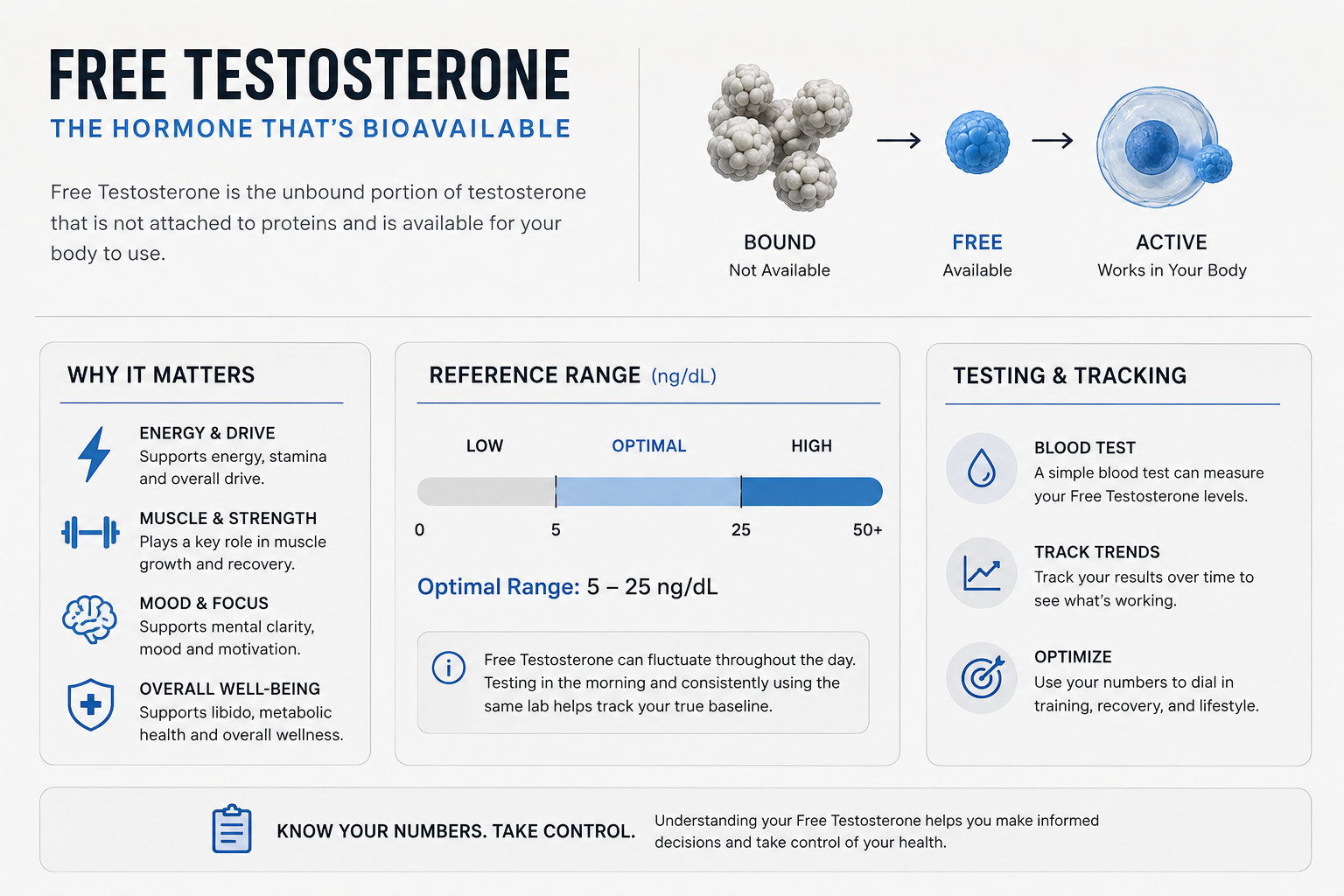
Free Testosterone Calculator
Estimate free testosterone using Total Testosterone, SHBG and Albumin values from your blood results.
Use Calculator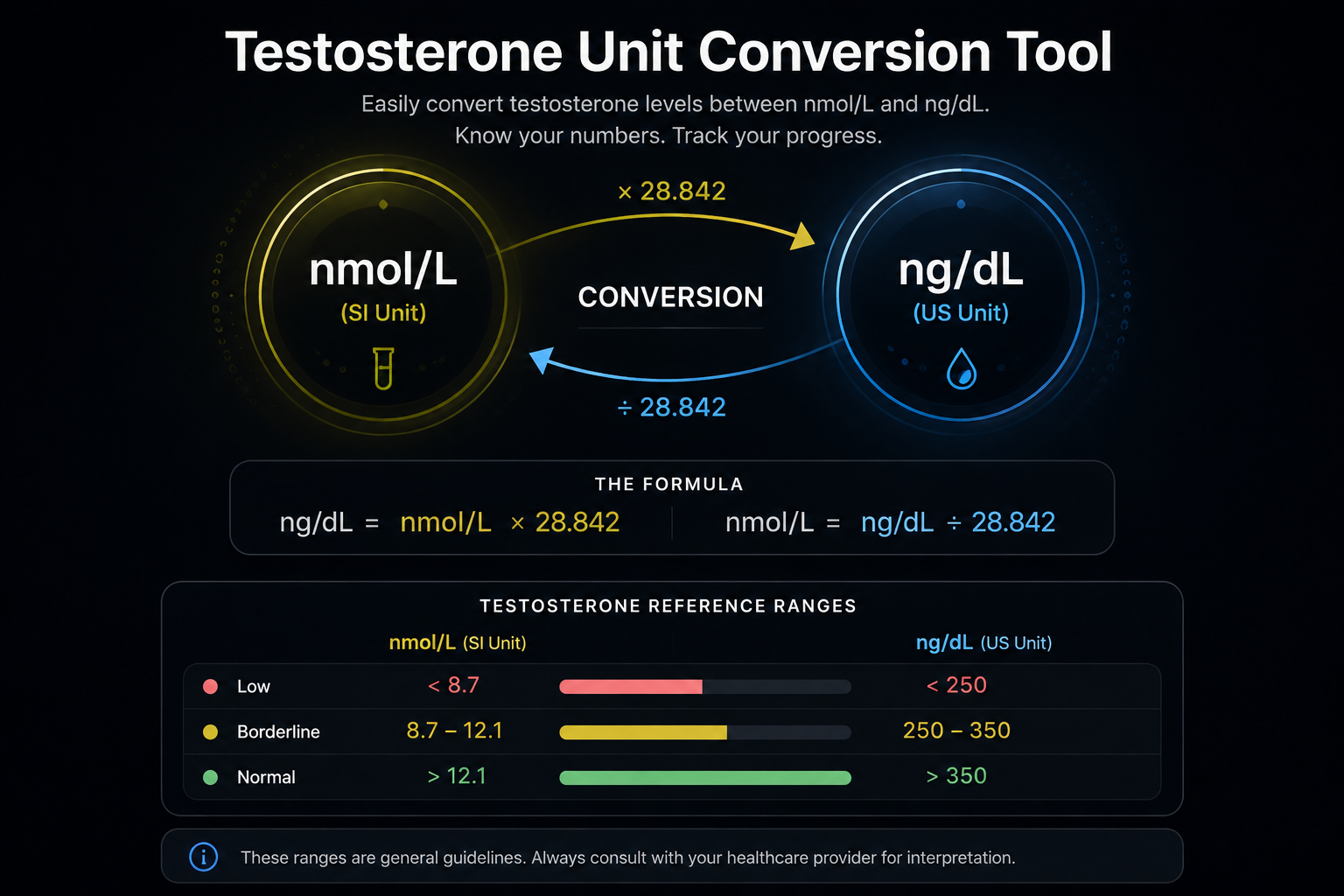
Testosterone Unit Converter
Convert testosterone laboratory measurements between nmol/L and ng/dL without manually working through the conversion.
Use Converter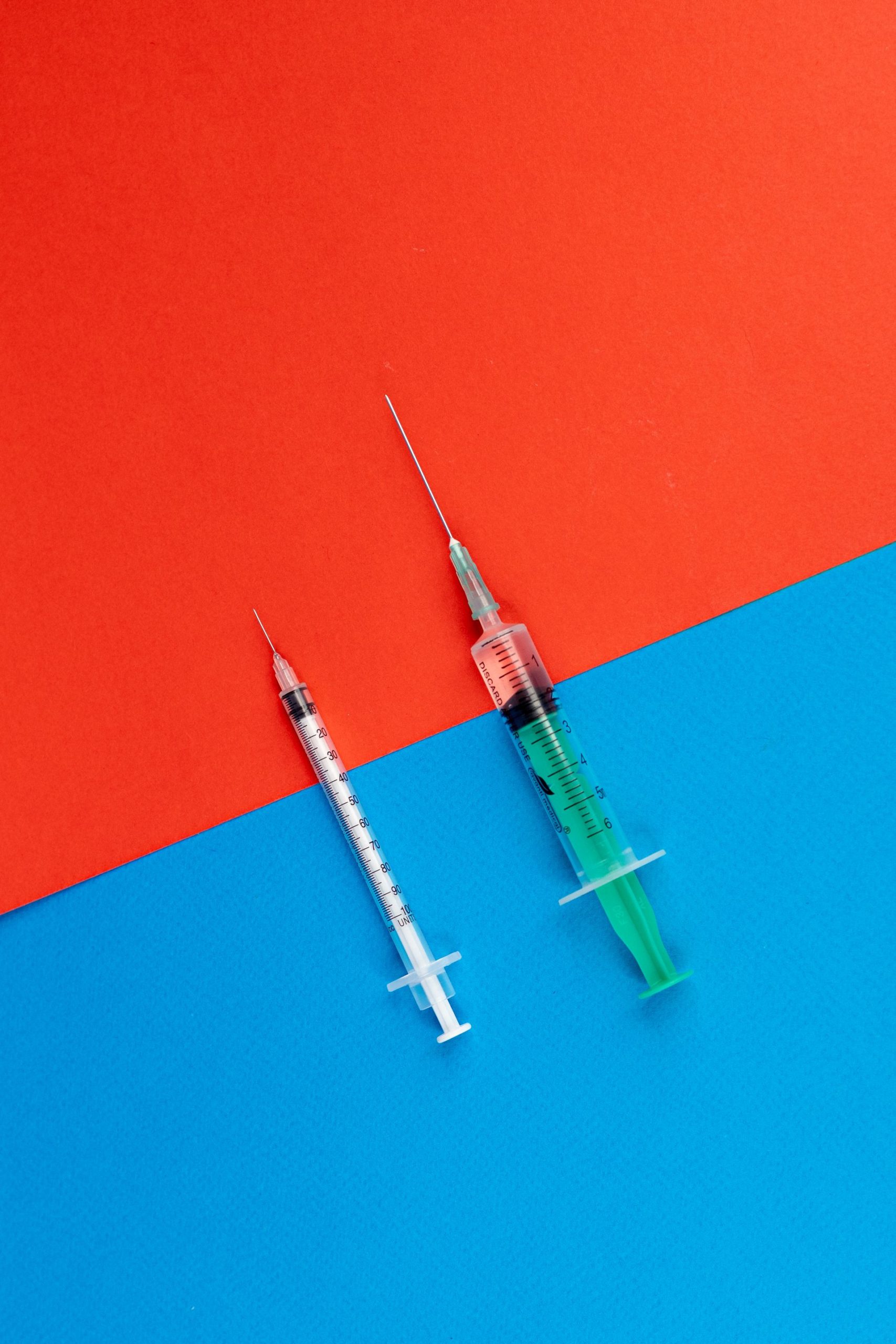
TRT Syringe Guide
Understand syringe markings, millilitres and medication measurement when using prescribed injectable treatments.
Read Guide
Understanding TRT Bloodwork
Learn how testosterone, SHBG, oestradiol and other laboratory markers are interpreted during TRT.
Read Guide
TRT Treatment Options in the UK
Compare injectable testosterone, topical preparations and other treatment approaches used in UK testosterone care.
Read Guide
How TRT Monitoring Works
Understand ongoing blood testing, treatment reviews and the key health markers commonly monitored during TRT.
Read GuideQUESTIONS AND ANSWERS
hCG Reconstitution Calculator FAQs
How do I calculate hCG units after reconstitution?
Divide the total IU in the vial by the number of millilitres of diluent added to find the concentration in IU per mL. Then divide the required dose in IU by that concentration to calculate the liquid volume needed.
How many U-100 syringe units are in 0.1 mL?
On a U-100 insulin syringe, 0.1 mL corresponds to 10 marked units. This is a volume measurement and does not by itself tell you how many IU of hCG are present.
Can I use this hCG calculator for TRT?
Yes. The calculator can convert the vial strength, diluent volume and prescribed dose supplied by your clinician or pharmacy. It does not choose the dose or replace instructions from your prescriber.
Why is hCG sometimes prescribed with TRT?
TRT can suppress LH and FSH signalling and reduce stimulation of the testes. hCG acts through the LH receptor and may be considered where testicular function, fertility or future family planning is relevant. It is not automatically required for everyone receiving TRT.
Does hCG preserve fertility on TRT?
hCG may be used in fertility-related treatment strategies because it stimulates the LH receptor, but fertility cannot be guaranteed simply by adding hCG. Men who want children should discuss fertility and appropriate assessment with a qualified clinician.
Does adding more diluent change the hCG dose?
Adding more diluent lowers the concentration of the prepared solution and therefore increases the liquid volume required to deliver the same number of IU. The prescribed IU dose itself does not change unless your clinician changes it.
What vial strengths work with the calculator?
Any positive vial strength can be entered provided the number matches the total IU stated on the medication supplied to you.
Why is my result shown in both mL and syringe units?
Millilitres describe the actual volume of liquid. U-100 syringe units translate that volume into the numbered markings used on a U-100 insulin syringe.
Is a syringe unit the same as an IU of hCG?
No. A syringe unit is a volume marking. An IU describes the stated biological activity or strength of hCG. The number of IU contained in a syringe marking depends on the concentration of the prepared medication.
Does the calculator recommend mixing hCG with 2 mL?
No. The calculator opens with 2 mL selected for convenience only. You should change this to the exact volume specified by your prescriber, pharmacy or medication instructions.