HEALTH & MONITORING

Managing Blood Pressure on TRT

Testosterone Replacement Therapy (TRT) offers life-changing benefits for men suffering from low testosterone, improving energy, mood, body composition, and libido. However, achieving these results safely requires strict, ongoing medical supervision—and managing TRT and blood pressure is at the top of that list.

Because high blood pressure (hypertension) rarely presents with noticeable symptoms, it is widely known as a "silent killer." Safeguarding your cardiovascular health means understanding the relationship between your hormones and your heart, as well as knowing exactly how to measure your blood pressure at home.

Blood Pressure & TRT: Key Takeaways

Proper cardiovascular monitoring ensures you reap the benefits of optimal hormones safely.

Establish a baseline reading before starting TRT.
TRT can elevate BP via increased red blood cells or water retention.
Follow NHS guidelines for accurate home monitoring.
Anabolic steroid abuse carries extreme cardiovascular risk compared to clinical TRT.

How Does TRT Affect Blood Pressure?

For many men, TRT does not cause significant blood pressure issues. By improving insulin sensitivity, promoting fat loss, and increasing exercise capacity, TRT can actually support cardiovascular health over the long term.

However, in some individuals, TRT can elevate blood pressure through a few specific biological mechanisms:

  • Increased Red Blood Cells (Haematocrit): Testosterone stimulates the bone marrow to produce more red blood cells. While this improves oxygen transport, it can make the blood thicker (viscous), requiring the heart to pump harder.
  • Water and Sodium Retention: Especially in the early stages of treatment, exogenous testosterone can cause the body to hold onto excess sodium and water, increasing overall blood volume.
  • Oestrogen Conversion: Testosterone can aromatise (convert) into oestrogen. Elevated oestrogen is frequently linked to bloating and fluid retention, which drives up blood pressure.
Anatomical heart or blood pressure concept

Measuring Your Blood Pressure Accurately

To monitor your cardiovascular health properly, you need a reliable home blood pressure monitor (ideally one that measures from the upper arm, not the wrist). A rushed or improperly taken reading can show falsely elevated numbers, leading to unnecessary anxiety or incorrect treatment adjustments.

UK Guidelines for Taking Blood Pressure

Based on guidance from the NHS and Blood Pressure UK, follow these steps to ensure an accurate reading:

  • Timing matters: Avoid caffeine, heavy meals, exercise, and smoking for at least 30 minutes before taking a reading. Empty your bladder beforehand.
  • Rest first: Sit quietly for 5 minutes before taking the measurement. Do not look at your phone or watch television.
  • Correct posture: Sit in a chair with your back fully supported. Keep your legs uncrossed and place both feet flat on the floor.
  • Arm placement: Rest your arm on a table so that the cuff is at the exact same level as your heart.
  • Bare skin: Always place the cuff on a bare arm, not over thick clothing, and ensure it is not too tight.
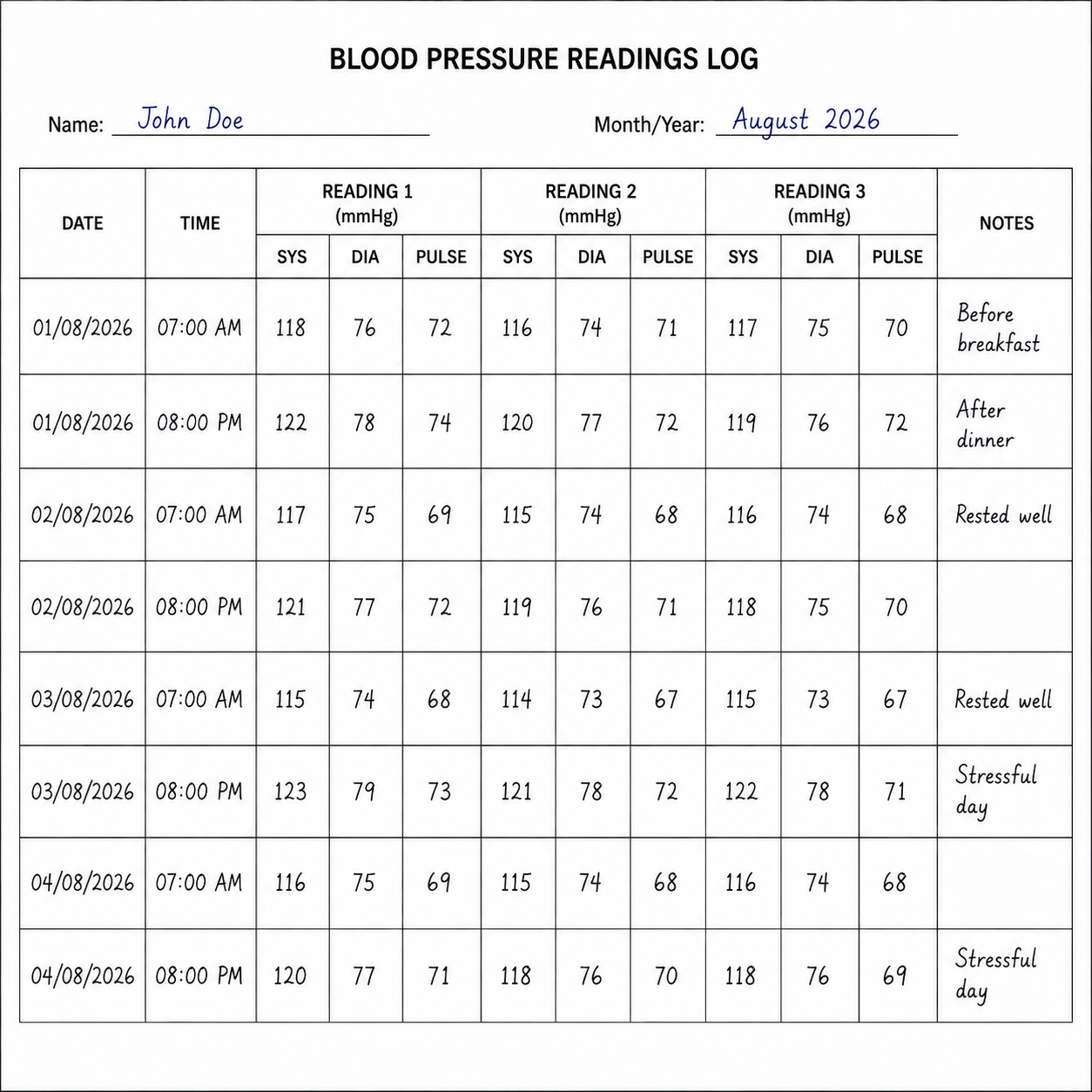
  • Take multiple readings: Take a reading, wait 1 to 2 minutes, and take a second. If the first was unusually high, take a third. Discard the first reading and average the remaining ones.

Recommended Home Blood Pressure Monitors

For clinical accuracy at home, both the NHS and private doctors widely recommend Omron monitors. They are considered the industry standard for reliability and ease of use.

  • Upper-Arm Cuffs Only: We strongly advise against using wrist monitors or smartwatches, as they are notoriously inaccurate. You should strictly use an upper-arm cuff for reliable, clinical-grade tracking.
  • Omron Basic Range (e.g., Omron M2 or M3): Perfect for TRT monitoring. They are simple, highly accurate upper-arm monitors.
  • Expected Cost: Usually between £25 and £45.
  • Where to Buy: Readily available at local pharmacies (such as Boots or LloydsPharmacy) or online via Amazon UK.

How Often Should You Monitor?

1. The Baseline (Before TRT)

Before you take your first dose of testosterone, you must establish a baseline. If you already have untreated high blood pressure, starting TRT could exacerbate the issue, and a doctor will likely advise bringing it under control first.

2. Active Treatment

When initiating TRT or changing your dose, check your blood pressure 2 to 3 times a week to identify upward trends. Once your body has adapted and hormone levels are stable, checking once every 2 to 4 weeks is usually sufficient.
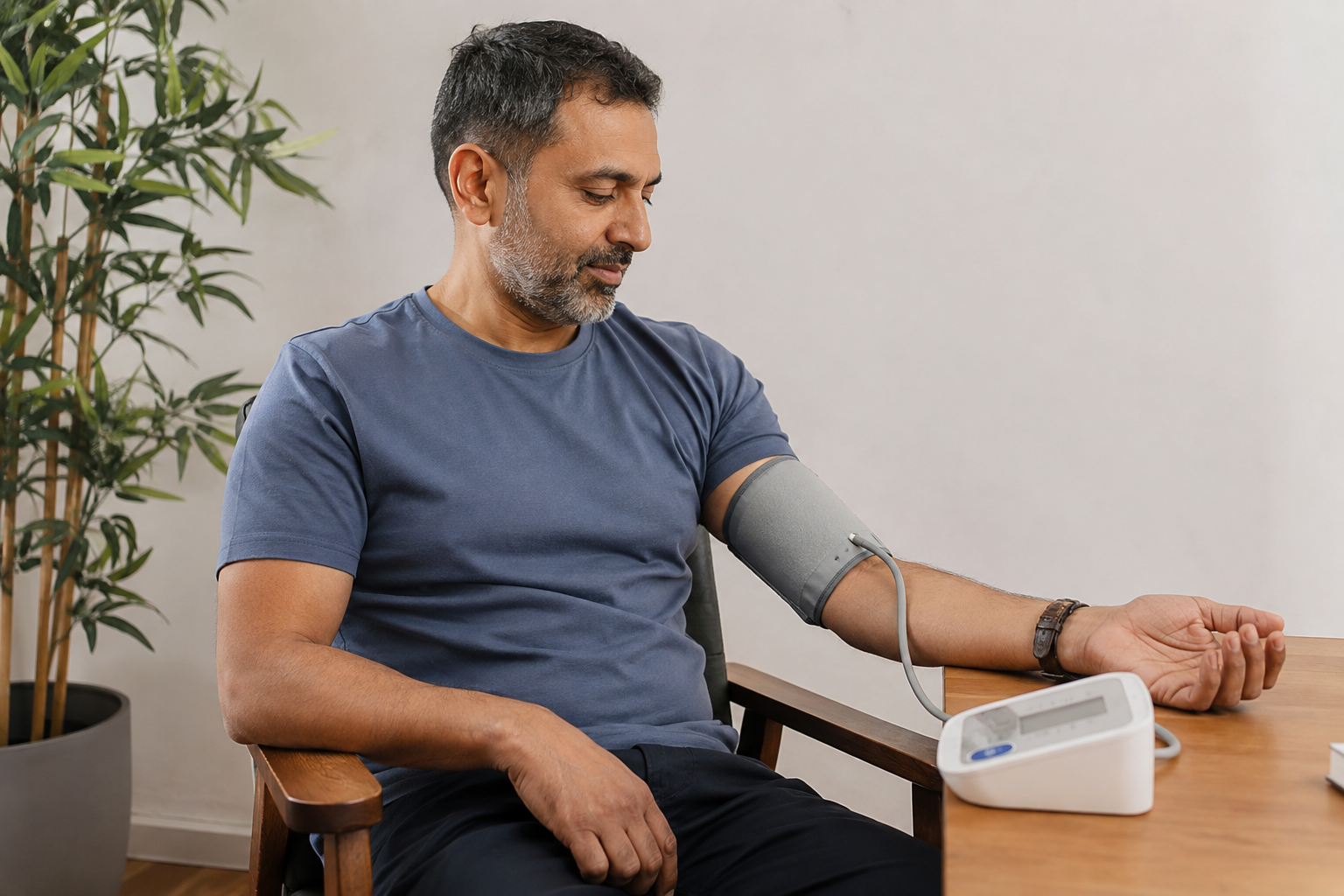
Man checking blood pressure at home

Managing High Blood Pressure on TRT

If your blood pressure begins to creep up while on TRT, your clinician will work with you to manage it safely. Common interventions include:
  • Protocol Adjustments: Lowering the overall testosterone dose or increasing injection frequency (e.g., from weekly to three times a week) to minimise hormonal peaks and water retention.
  • Cardio and Diet: Increasing Zone 2 cardiovascular exercise and managing dietary sodium intake are highly effective frontline defences.
  • Blood Donation: If elevated haematocrit is the driving factor, therapeutic phlebotomy (donating blood) safely lowers red blood cell volume and blood thickness.
  • Medication: In some cases, low-dose anti-hypertensive medication (such as Telmisartan or an ACE inhibitor) may be prescribed alongside your TRT.
Medical chart or blood pressure reading

TRT vs. Anabolic Steroids: Extreme Risk

It is crucial to draw a hard line between clinical TRT and the abuse of anabolic-androgenic steroids (AAS). TRT aims to replace a deficiency, bringing levels into a healthy physiological range. Individuals using anabolic steroids are pushing hormone levels to supra-physiological heights—frequently stacking compounds that are inherently cardio-toxic.

The cardiovascular risks of AAS abuse are extreme:

  • Severe Hypertension: Massive water retention and nervous system stimulation push blood pressure to dangerously high, sustained levels.
  • Left Ventricular Hypertrophy (LVH): The stress of chronic high blood pressure and supra-physiological androgens can cause the walls of the heart to thicken, leading to heart failure.
  • Lipid Destruction & Clotting: Steroid abuse often decimates good cholesterol (HDL) while thickening the blood, exponentially increasing the risk of deep vein thrombosis, heart attacks, and strokes.
Warning sign or medical heart graphic

Medical References & Resources

Disclaimer: The information provided on UKTRT is for educational purposes only and does not constitute medical advice. We are not doctors. If you are concerned about your blood pressure or cardiovascular health, please consult your GP or a GMC-registered specialist.

The guidelines and physiological mechanisms detailed in this article are sourced from the following medical bodies and clinical guidelines:

  • NHS (National Health Service): Guidelines on diagnosing, monitoring, and understanding high blood pressure.
    Visit NHS Blood Pressure Guidelines
  • Blood Pressure UK: The UK’s leading blood pressure charity, providing standardised protocols for taking accurate home blood pressure readings.
    Visit Blood Pressure UK
  • British Society for Sexual Medicine (BSSM): Guidelines on adult testosterone deficiency, highlighting the requirement for baseline cardiovascular risk assessments and haematocrit monitoring during TRT.
  • European Association of Urology (EAU): Clinical guidelines on male hypogonadism detailing the relationship between exogenous testosterone, erythrocytosis (elevated red blood cells), and cardiovascular safety parameters.

Frequently Asked Questions

Does TRT cause high blood pressure?

For most men, a properly managed TRT protocol does not cause high blood pressure. However, in some cases, it can elevate blood pressure by increasing red blood cell count (making the blood thicker) or causing the body to retain excess water and sodium. This is why regular monitoring is essential.

How often should I check my blood pressure on TRT?

When you first start treatment or adjust your dose, it is recommended to check your blood pressure 2 to 3 times a week. Once your hormone levels are stable and your body has adapted, checking it once every two to four weeks is usually sufficient.

Can donating blood lower my blood pressure on TRT?

If your high blood pressure is being caused by an elevated red blood cell count (high haematocrit) due to TRT, therapeutic phlebotomy (donating blood) can safely reduce blood volume and thickness, which often helps lower blood pressure. Always discuss this with your clinician first.

What is a normal blood pressure reading?

According to UK guidelines, an ideal blood pressure reading is between 90/60mmHg and 120/80mmHg. If your home readings are consistently over 135/85mmHg, you should bring this to the attention of your GP or TRT specialist.