Initial testing
Often around £20–£200+, depending on whether you need a basic finger-prick test, a full venous panel or both.
The cost of TRT in the UK varies widely because UK TRT clinics do not all charge in the same way. Some providers use an all-inclusive monthly subscription covering medication, monitoring blood tests and doctor reviews. Others charge a lower membership fee but bill separately for testosterone, bloodwork, consultations and injection supplies.
Private TRT in the UK typically costs around £100 to £200 per month for a medically managed service. Entry-level or itemised plans may be advertised from roughly £59 per month, while more comprehensive packages can reach approximately £199 per month or more. A realistic first-year budget is often around £1,200 to £2,500+ once testing, consultations, medication and monitoring are included.
The headline monthly price rarely tells the whole story. Initial blood tests, a diagnostic consultation, fertility support, hCG, prescription fees and more frequent monitoring can increase the first-year cost.
This UK TRT cost guide explains what you may pay through the NHS or a private clinic, how leading UK providers structure their fees, which extras to budget for and how to compare TRT packages fairly.
Private clinic fees and package inclusions change over time, so always confirm the latest price and obtain a written breakdown before paying.
This article is educational only and is not personal medical advice.
Private testosterone replacement therapy in the UK commonly starts at around £59 to £105 per month for lower-cost or entry-level plans. More comprehensive packages may cost approximately £149 to £199 per month, particularly where medication, blood tests, doctor reviews, injection supplies and ongoing clinical support are bundled together.
A useful broad estimate for private UK TRT is therefore £100 to £200 per month, with first-year spending often higher because of diagnostic bloodwork and the initial consultation.
Some clinics advertise a price below £60 per month, but this may represent only a membership, prescription or flexible-care fee. Blood tests, medication or equipment may be charged separately. At the other end of the market, a higher monthly subscription may include nearly everything required for treatment.
The correct comparison is not simply “which clinic has the lowest monthly number?” It is “what is the total annual cost for the treatment, testing and medical support I will actually need?”
Lower headline prices may exclude medication, monitoring tests or supplies. More inclusive plans can cost more monthly but be easier to budget for.
These figures are a practical guide rather than a guaranteed quote. Your total cost depends on the clinic, medication, monitoring schedule and whether additional fertility treatment is clinically appropriate.
Often around £20–£200+, depending on whether you need a basic finger-prick test, a full venous panel or both.
Commonly around £75–£280, although some clinics bundle or discount the appointment.
Frequently advertised from about £59–£199 per month across private UK TRT providers.
A sensible planning range is roughly £1,200–£2,500+, depending on what the package includes.
The cost of TRT is not only the cost of testosterone. A safe private treatment pathway normally includes diagnosis, prescribing, medical oversight and repeated monitoring.
Before treatment, a clinic will usually need at least two testosterone results alongside a broader assessment of symptoms, medical history and relevant health markers. Once treatment begins, follow-up blood tests help the clinician assess testosterone levels, haematocrit, oestradiol and other markers, then adjust the protocol where necessary.
This means a more expensive plan may still offer better value if it includes blood tests, reviews, medication delivery, injection supplies and clinical correspondence. A cheaper package may be appropriate too, but only when you understand which costs sit outside the advertised fee.
TRT may be available through the NHS when testosterone deficiency is confirmed and treatment is considered clinically appropriate. The NHS route is usually much cheaper for the patient because consultations, blood tests and treatment are provided through NHS care, although prescription charging rules vary across the UK.
In England, patients who pay for prescriptions may pay the standard NHS prescription charge per item. Prescriptions are free in Scotland, Wales and Northern Ireland. Eligibility, referral routes, waiting times and available testosterone preparations can vary by local service.
Private TRT generally provides faster access, more direct specialist support and a broader choice of service models, but the patient pays for assessment, treatment and monitoring. That is why private TRT UK prices are usually measured in monthly or annual costs rather than a single prescription charge.
UK TRT clinics generally use one of several pricing models. Understanding the structure matters because a low headline fee may not include medication, blood tests, consultations or supplies, while a higher monthly price may bundle most of the treatment pathway.
The best comparison is the total first-year cost and the expected annual cost once treatment is stable.
These plans commonly bundle medication, routine monitoring blood tests, doctor reviews, prescriptions, delivery and ongoing support into one monthly fee. They are usually easier to budget for, but the headline price is higher.
A lower monthly membership may cover clinical oversight or prescribing, while medication, blood tests, consultations and supplies are charged separately. These plans can suit stable patients who understand the additional costs.
Some services charge separately for consultations, prescriptions, bloodwork and medication without a fixed subscription. This can offer flexibility, but annual spending may be harder to predict.
Higher-priced packages may include more frequent clinician access, broader blood testing, additional support, fertility-focused care or a wider choice of treatment preparations.
Men already receiving prescribed TRT may be offered a lower-cost transfer route. Current blood results, medical records and a new clinical review are usually still required before prescribing continues.
Some providers separate diagnostic testing from treatment. A low-cost screening test may be followed by a more comprehensive venous blood panel and doctor consultation before eligibility is decided.
A £59 monthly plan can look much cheaper than a £149 subscription. But if the £59 option excludes blood tests, injection equipment, medication or clinical appointments, the annual difference may be far smaller than it first appears.
Conversely, an all-inclusive plan is not automatically better value. A stable patient who can arrange suitable blood tests independently may prefer a flexible-care or pay-as-you-go model.
Before joining any UK TRT clinic, ask for an itemised estimate for the first 12 months and the expected cost once your treatment is stable. This is the clearest way to compare like with like.
For many men, the first year costs more than later years because the clinic must confirm the diagnosis, establish a safe starting protocol and monitor the response more closely.
A lower-cost pathway might total around £1,200–£1,500 in year one when membership, medication, blood tests and consultation fees are combined. A more inclusive or higher-support clinic may total approximately £1,800–£2,500 or more.
Treatment involving hCG, fertility monitoring, premium medication, additional appointments or more frequent bloodwork can increase that figure further. The right budget therefore depends on the treatment you are actually prescribed, not simply the package you initially prefer.
Ask the clinic for a full annual estimate including diagnosis, medication, monitoring, equipment and reviews.
Yes. The prescribed preparation can materially affect the cost of TRT in the UK. Injectable testosterone, gels, creams and longer-acting preparations have different pharmacy prices, dosing schedules and equipment requirements.
Some clinics charge one subscription price across several treatment options, while others pass on the medication cost directly. Longer-acting injections may involve a larger payment at the point of dispensing but less frequent administration. Daily gels or compounded creams may have a higher recurring pharmacy cost.
Treatment choice should be based on clinical suitability, response, preferences and safety—not price alone. A cheaper preparation is poor value if it does not provide stable symptom control or is difficult for you to use consistently.
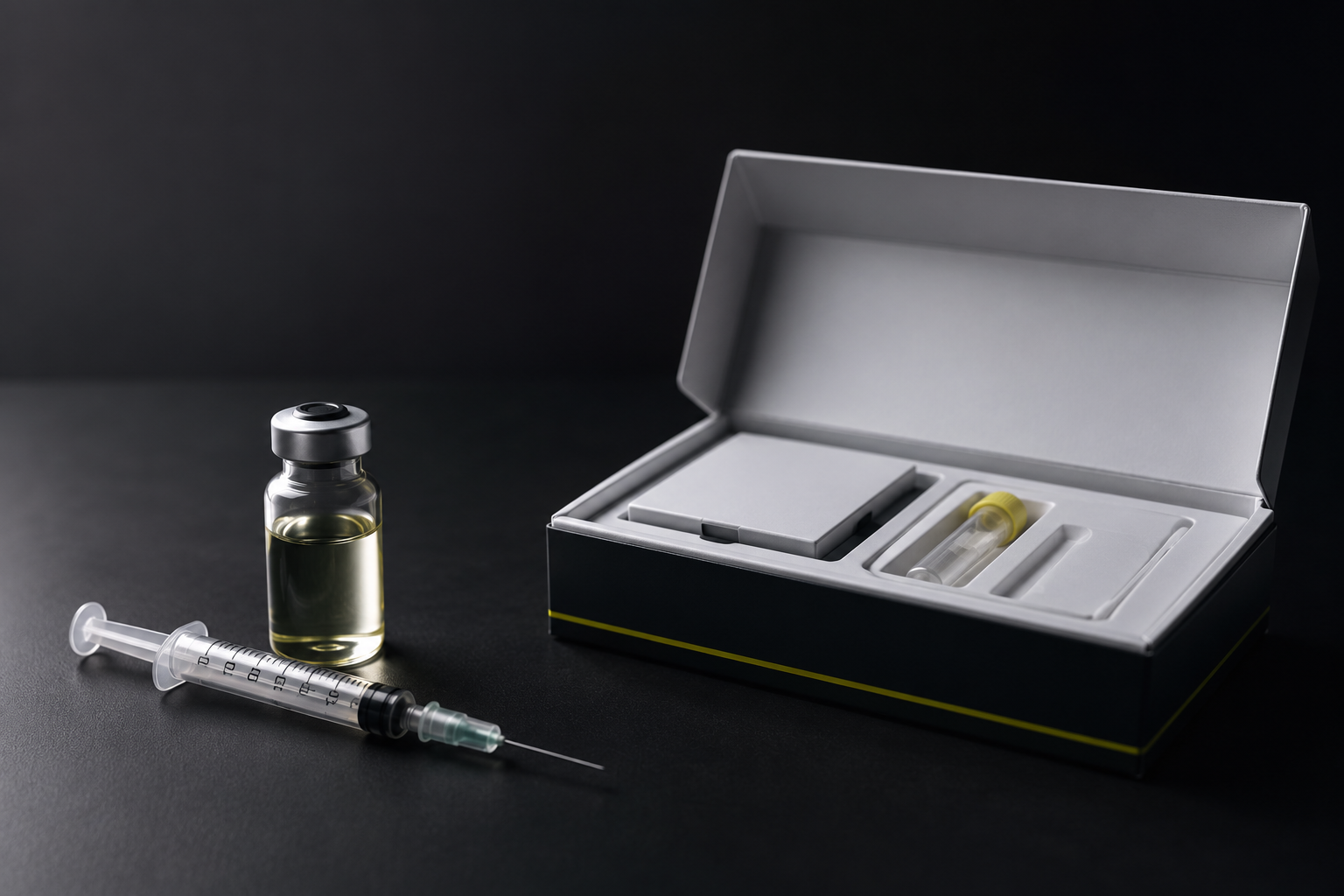
Two men using the same UK TRT clinic may pay different amounts because treatment is individualised. The biggest price differences usually come from the medication prescribed, how frequently bloodwork is needed and whether the clinic uses an inclusive subscription or an itemised model.
Injectable testosterone, gels, creams and long-acting preparations have different pharmacy and administration costs.
New or adjusted treatment may require more frequent blood tests and clinical reviews than a stable long-term protocol.
hCG, semen analysis and fertility-focused follow-up can add to the overall cost of private UK TRT.
All-inclusive subscriptions cost more upfront, while flexible plans may charge separately for each test, consultation and prescription.
Abnormal blood count, prostate markers, blood pressure, lipids or other findings may require further review before or during treatment. Those investigations may sit outside a standard package.
Men transferring from another regulated clinic may qualify for a lower-cost consultation or a simplified onboarding route, although current bloodwork is usually still required.
Private TRT may be worth considering when a man has persistent symptoms, appropriate blood results and wants timely access to a specialist-led assessment. The value is not simply receiving testosterone; it is having diagnosis, prescribing, follow-up and monitoring managed through one clinical pathway.
It is not good value when treatment starts without adequate testing, when fees are unclear or when the service provides little access to qualified clinical support. Paying privately should never mean bypassing proper diagnostic standards.
Before spending money, consider whether sleep problems, obesity, medication effects, thyroid disease, stress, alcohol use or other health issues could be contributing to the symptoms. A responsible clinic should assess the wider picture rather than treating one testosterone result in isolation.
For men who meet NHS criteria and can access a suitable local pathway, NHS treatment is generally the most affordable option. Private TRT UK services mainly compete on access, choice, continuity and the structure of ongoing support.
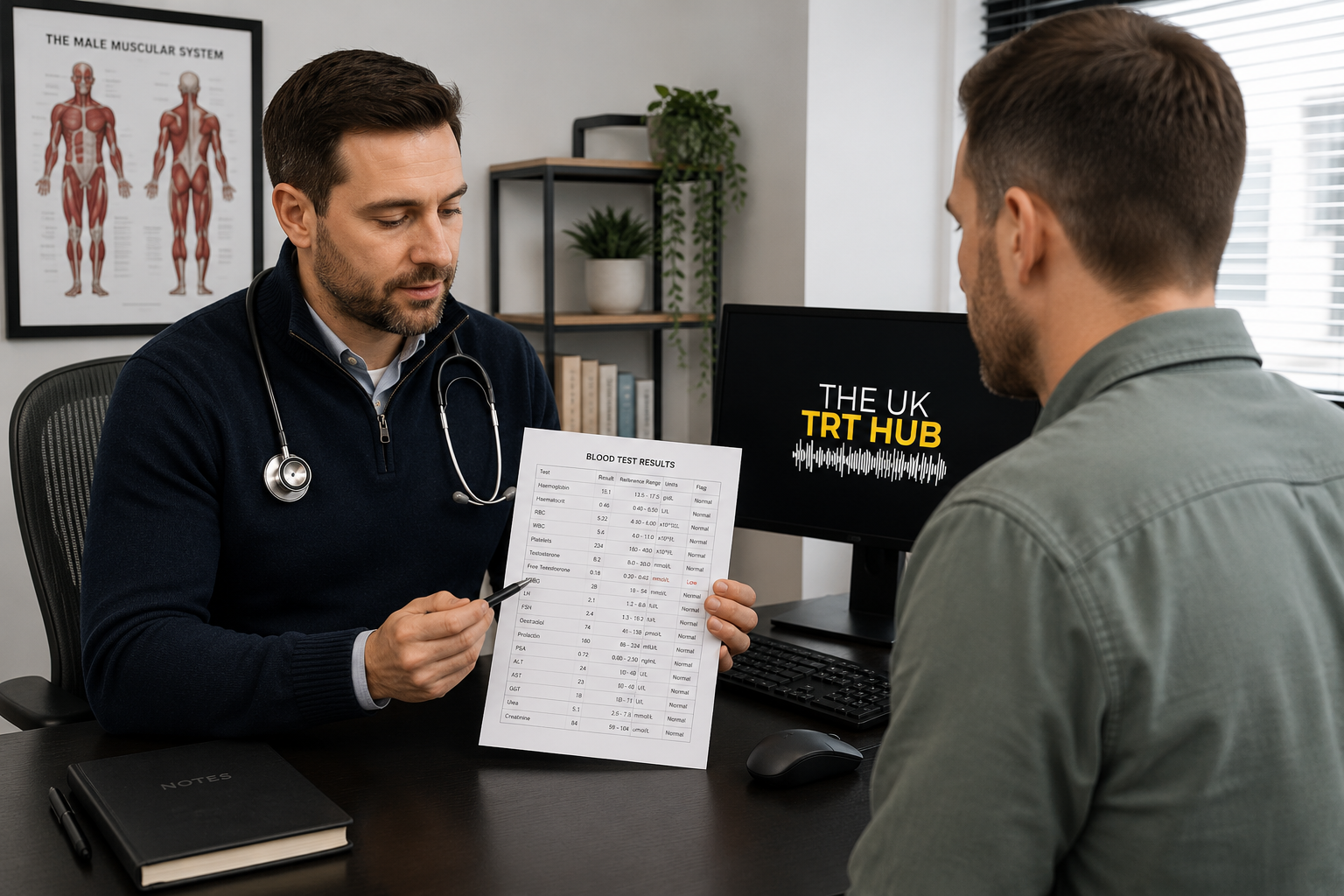
A reputable UK TRT provider should make the diagnostic pathway, prescribing arrangements, ongoing monitoring and total fees clear before treatment starts.
Check who will diagnose and prescribe, whether the clinicians are appropriately registered, which healthcare regulator applies to the service, how often blood tests are required and how quickly you can access clinical support if side effects or concerns develop.
You should also ask how the clinic approaches fertility, elevated haematocrit, oestradiol-related symptoms, dose adjustments and communication with your GP. These details matter more than branding or a promotional monthly price.
For a broader overview of the treatment pathway, see the TRT UK guide and how TRT monitoring works.
“What will my complete first-year cost be if I include every required blood test, consultation, prescription, medication and supply?”
Use this checklist when comparing TRT UK clinics. Written answers make it easier to compare providers fairly.
This guide is based on commonly advertised UK private TRT pricing structures, NHS information and standard private-care cost categories. Exact fees vary by provider, treatment type and monitoring needs.
The true cost of TRT in the UK is normally more than the price of testosterone medication. Safe treatment also involves diagnosis, blood testing, clinical reviews, monitoring and ongoing access to a qualified prescriber.
For private UK TRT, a practical budget is around £100–£200 per month, with a first-year total of roughly £1,200–£2,500+. Some men will pay less through an itemised clinic model, while others will prefer a more expensive all-inclusive subscription.
Compare the total annual cost, not the headline monthly fee. The best-value clinic is the one that provides appropriate medical assessment, reliable monitoring, transparent pricing and a treatment plan suited to your health—not simply the lowest advertised number.
Private TRT in the UK commonly costs around £100 to £200 per month for a managed treatment plan. Lower-cost plans may start near £59, while comprehensive packages can reach £199 per month or more. Initial blood tests and consultations may be additional.
A practical first-year budget is approximately £1,200 to £2,500 or more. The total depends on diagnostic testing, consultation fees, medication, monitoring blood tests, clinic support and whether extra treatments such as hCG are prescribed.
Yes, testosterone replacement may be available through the NHS when testosterone deficiency is clinically confirmed and treatment is appropriate. Access, referral pathways and treatment options vary by local NHS service.
NHS assessment and treatment do not carry private clinic fees. Standard prescription charges may apply in England unless you are exempt. NHS prescriptions are free in Scotland, Wales and Northern Ireland.
Depending on the clinic, a subscription may include testosterone medication, prescriptions, delivery, injection supplies, monitoring blood tests, doctor reviews, dose adjustments and ongoing support. Always check the exact inclusions because some providers charge for these separately.
Clinics use different pricing models. A low monthly fee may cover membership and prescribing but exclude medication or bloodwork. A higher fee may be all-inclusive. Compare the total first-year cost rather than the headline monthly price.
Sometimes. Several UK TRT subscriptions include routine monitoring tests, but initial diagnostic bloodwork is often separate. Flexible-care and membership models may require you to pay for every blood test independently.
Yes. Injectable testosterone, gels, creams, oral preparations and long-acting injections have different pharmacy costs. The preparation prescribed should be chosen for clinical suitability and patient preference, not price alone.
Not always. Some higher-tier plans include hCG or fertility support, but many clinics charge for it separately. It should only be prescribed where clinically appropriate following a discussion about fertility and treatment goals.
A basic testosterone test may cost around £20 to £50, while a broader venous hormone and health panel can cost roughly £80 to £200 or more. Some clinics include routine monitoring blood tests within the monthly plan, but initial diagnostic testing is often charged separately.
A lower price does not automatically mean unsafe care, but the service should still include proper diagnosis, a legal prescription, appropriate monitoring and access to a qualified clinician. Avoid comparing plans by price alone when blood tests, medication or medical reviews are excluded.
The NHS is usually the lowest-cost route when you meet the clinical criteria and treatment is available. For private care, itemised membership models can have lower headline fees, but you must include medication, testing and consultation costs before deciding which option is cheapest overall.