Join our community
Exemestane is a steroidal aromatase inhibitor that reduces oestrogen production by irreversibly inactivating the aromatase enzyme.
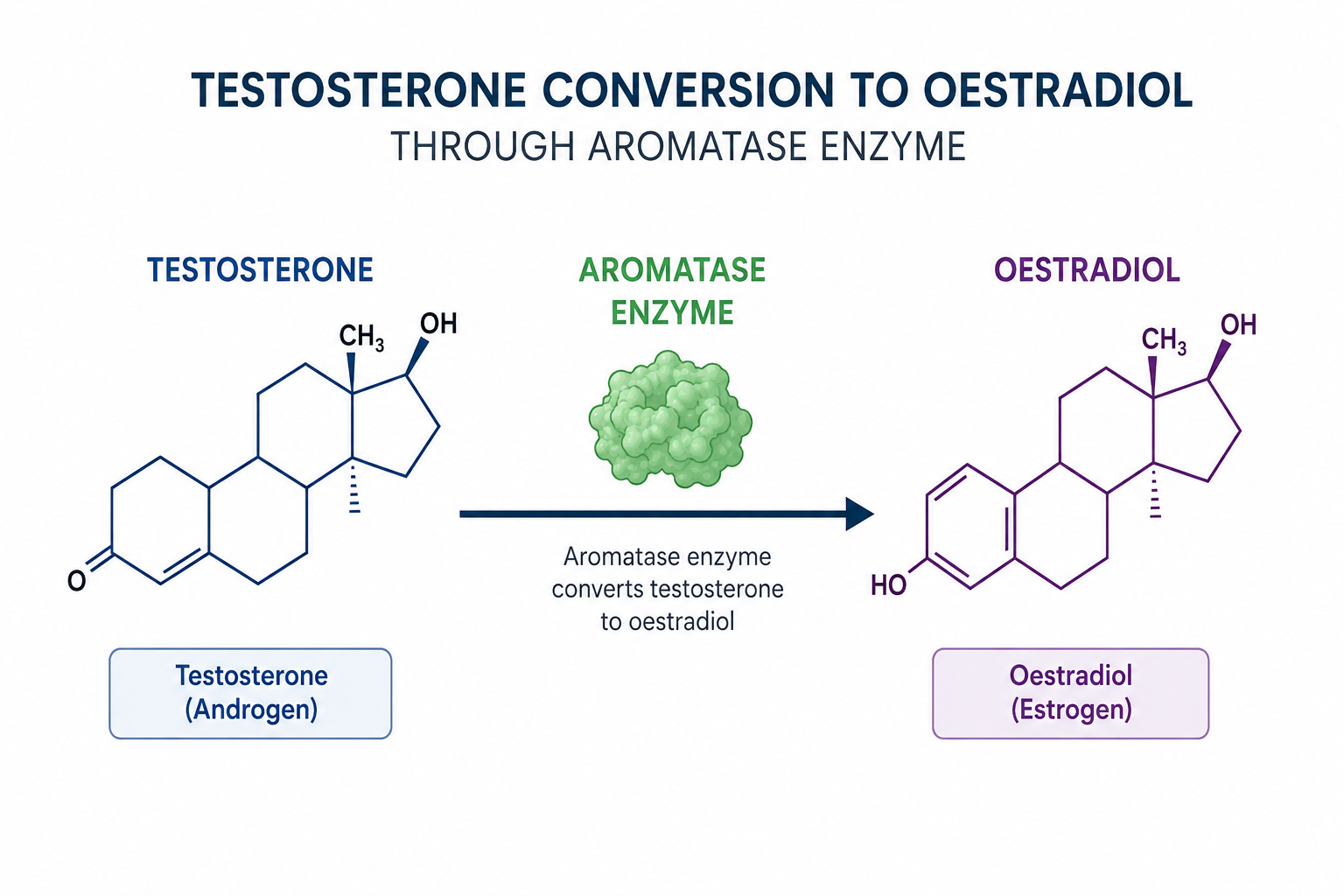
It is sometimes discussed in men's hormone treatment because testosterone can be converted into oestradiol through aromatase. Reducing aromatase activity can therefore lower circulating oestradiol.
However, exemestane is not a routine requirement of Testosterone Replacement Therapy (TRT). Oestradiol performs important physiological functions in men, and an elevated E2 result does not automatically mean that additional medication is necessary.
Exemestane differs pharmacologically from anastrozole and letrozole. It is a steroidal aromatase inhibitor that irreversibly inactivates aromatase.
This does not mean the body permanently loses its ability to produce oestrogen. New aromatase enzyme can be synthesised over time, but the individual enzyme molecules bound by exemestane have been inactivated.
That distinction is important when comparing aromatase inhibitors, but it does not mean exemestane is automatically preferable during TRT.
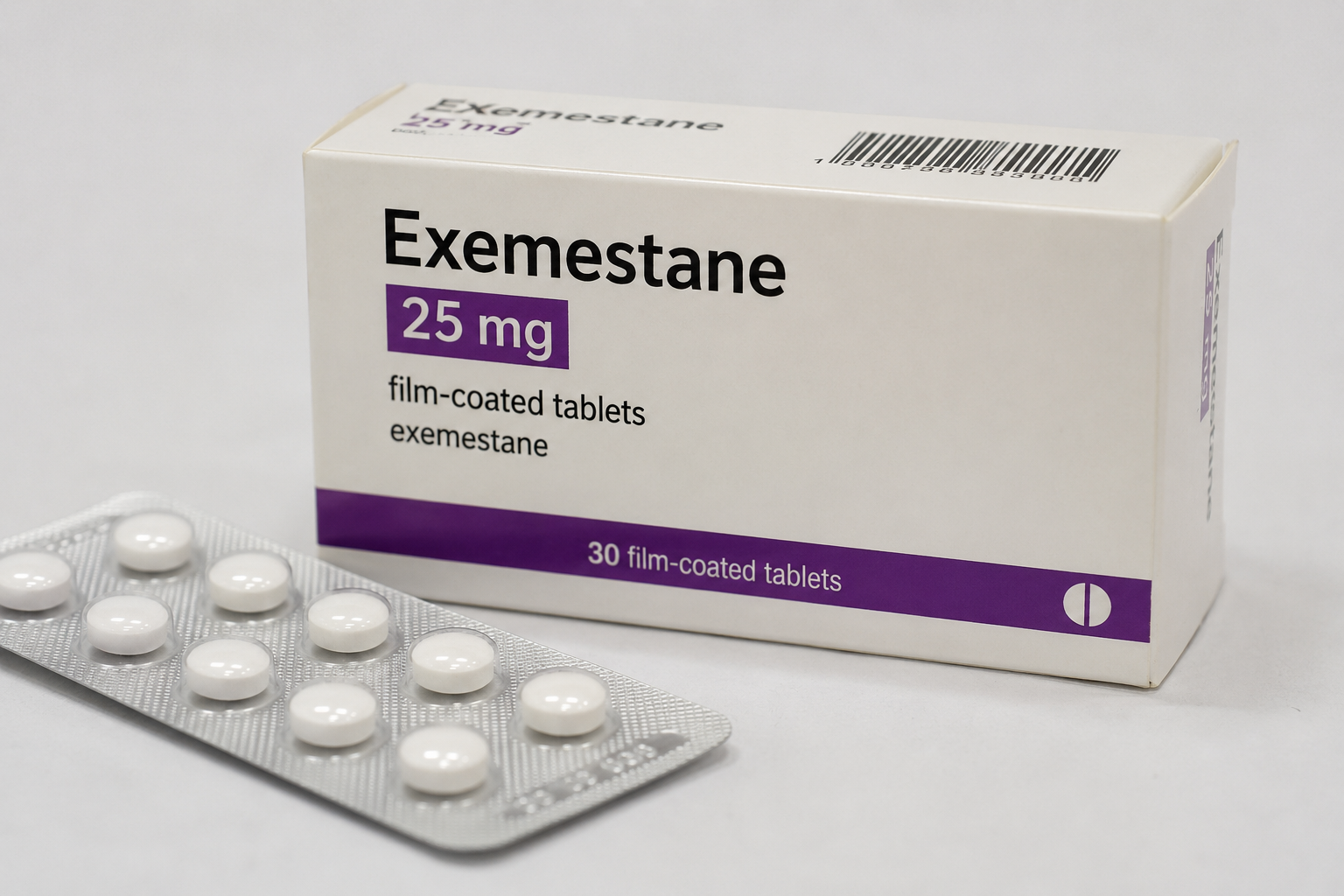
Exemestane is an oral steroidal aromatase inhibitor. Structurally, it is related to androstenedione, a naturally occurring androgen precursor.
Its primary licensed use in the UK is in the treatment of certain hormone-dependent breast cancers in postmenopausal women.
Use in men, including use alongside testosterone treatment, falls outside that licensed indication.
Exemestane may appear in discussions about male hormone therapy because aromatase inhibition can alter the balance between testosterone and oestradiol. That does not make it a standard component of TRT.
Aromatase converts androgen precursors into oestrogens. In men, this pathway contributes to the production of oestradiol from testosterone and related androgens.
Exemestane resembles the natural aromatase substrate androstenedione. It binds to aromatase and causes irreversible inactivation of the enzyme.
This is why exemestane is sometimes described as a “suicide inhibitor”: once the enzyme interacts with the drug, that enzyme molecule is effectively inactivated.
The effect is different from non-steroidal aromatase inhibitors such as anastrozole and letrozole, which inhibit aromatase through reversible binding.
The reason is the same biochemical pathway that links testosterone with oestradiol: aromatisation.
Testosterone provides substrate that can be converted into oestradiol through aromatase.
Aromatisation is part of normal male endocrine physiology rather than an abnormal consequence of TRT.
As testosterone availability rises, oestradiol may also rise in some patients.
Breast symptoms, gynaecomastia or unexpected hormone results may lead a clinician to assess oestradiol and the overall TRT protocol.
Testosterone preparation, prescribed dose, injection frequency and blood-test timing can all influence hormone measurements.
A higher oestradiol measurement alone does not establish that exemestane — or any aromatase inhibitor — is required.
A pharmacokinetic study in healthy young men found that exemestane was capable of substantially suppressing circulating oestradiol, confirming that it is an active aromatase inhibitor in males.
That does not establish a standard TRT protocol. The evidence base for exemestane specifically in men receiving testosterone therapy remains relatively limited compared with the amount of information available for its licensed breast-cancer use.
This is an important distinction when online discussions present aromatase inhibitors as though their use alongside TRT were fully standardised.
No — not automatically.
A rise in oestradiol may accompany a rise in testosterone because aromatisation is part of normal physiology.
A clinician may therefore consider the oestradiol result alongside testosterone concentrations, symptoms, previous results, treatment preparation and the timing of the blood sample.
Symptoms such as fluid retention, changes in libido, erectile difficulties or mood changes are not specific to high oestradiol and should not be used alone to diagnose an E2 problem.
UK product information reports a terminal elimination half-life of approximately 24 hours in the population studied for its licensed use.
A small pharmacokinetic study in healthy young men reported a shorter terminal half-life following a single dose, illustrating why pharmacokinetic figures can vary between populations and study designs.
Importantly, elimination half-life is not the whole story with exemestane. Because the drug irreversibly inactivates aromatase, enzyme activity does not simply return the moment circulating exemestane has been eliminated.
Recovery of aromatase activity also depends on the synthesis of new enzyme.
The word irreversible refers to what happens to the aromatase enzyme molecule bound by exemestane.
That enzyme is permanently inactivated. However, the body can manufacture new aromatase enzyme.
For that reason, describing exemestane as irreversible should not be confused with saying that one dose permanently suppresses oestrogen production.
It is a pharmacological distinction between exemestane and reversible inhibitors such as anastrozole and letrozole.
Effective aromatase inhibition can become a problem if oestradiol is suppressed unnecessarily or excessively.
Oestradiol contributes to normal male sexual physiology alongside testosterone. Excessive suppression may therefore coincide with reduced sexual desire in some men.
Very low oestradiol may contribute to poorer sexual function, although erectile dysfunction has many other possible causes.
Arthralgia and musculoskeletal symptoms are recognised adverse effects during aromatase inhibitor treatment.
Oestradiol plays an important role in male skeletal health, making prolonged excessive suppression a concern for bone metabolism.
Changes in mood or wellbeing can occur during hormone manipulation, although these symptoms are nonspecific and need broader clinical interpretation.
Long-term changes in sex-hormone exposure can influence broader health markers, reinforcing the importance of appropriate clinical monitoring where aromatase inhibition is prolonged.
Studies of aromatase inhibition in men demonstrate why oestradiol should not simply be viewed as an unwanted hormone.
Experimental aromatase inhibition can increase testosterone while lowering oestradiol, but studies in older men have also raised concerns about reductions in bone mineral density when oestrogen exposure is reduced.
The relevant goal is therefore not simply to maximise testosterone while minimising oestradiol.
Exemestane is a prescription medicine with recognised adverse effects. Most formal safety information comes from its licensed use in women with breast cancer, so those data cannot simply be assumed to predict the experience of every man.
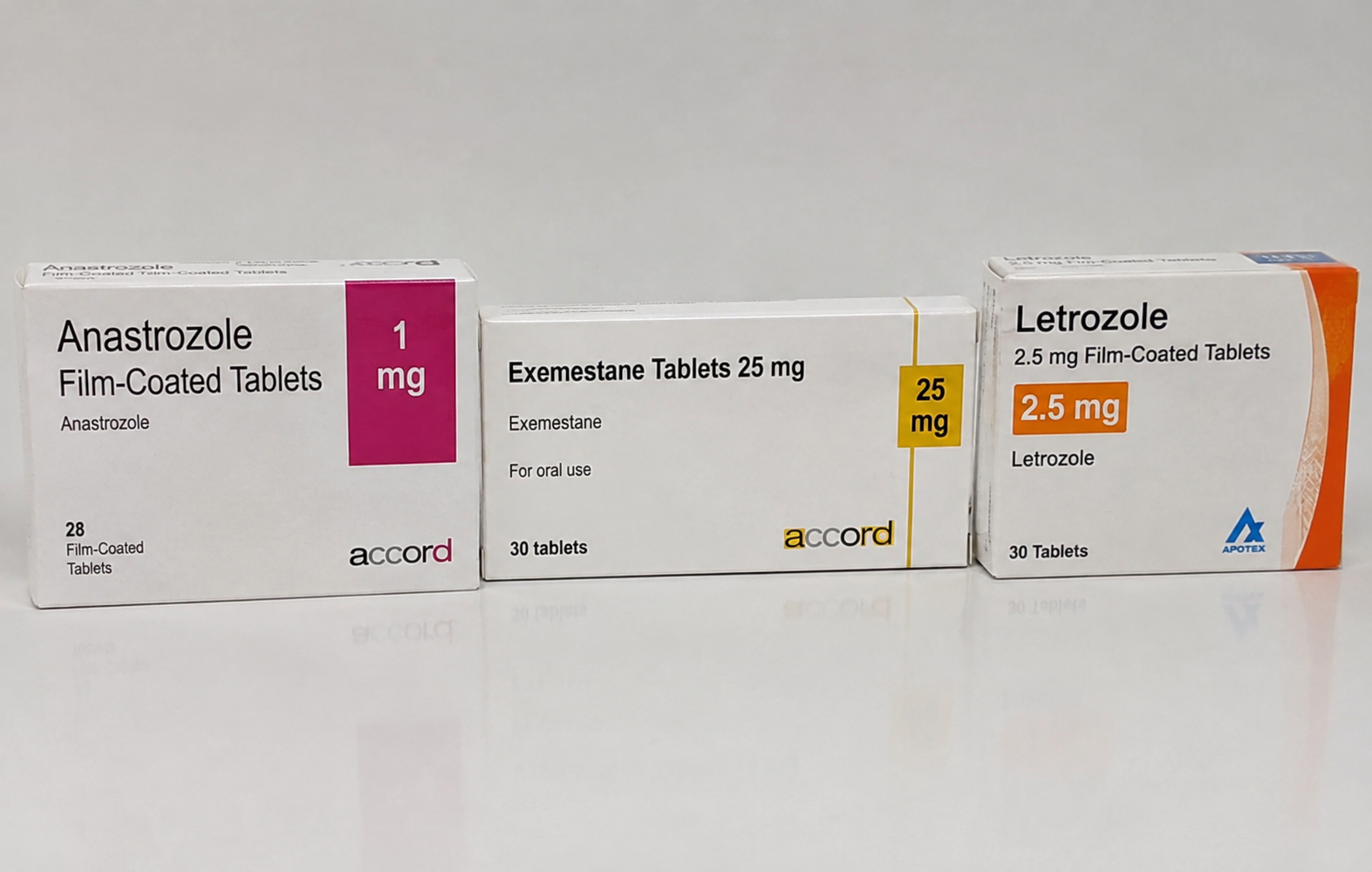
All three medicines inhibit aromatase, but exemestane belongs to a different pharmacological class from anastrozole and letrozole.
A steroidal aromatase inhibitor that permanently inactivates the individual aromatase enzyme molecules to which it binds.
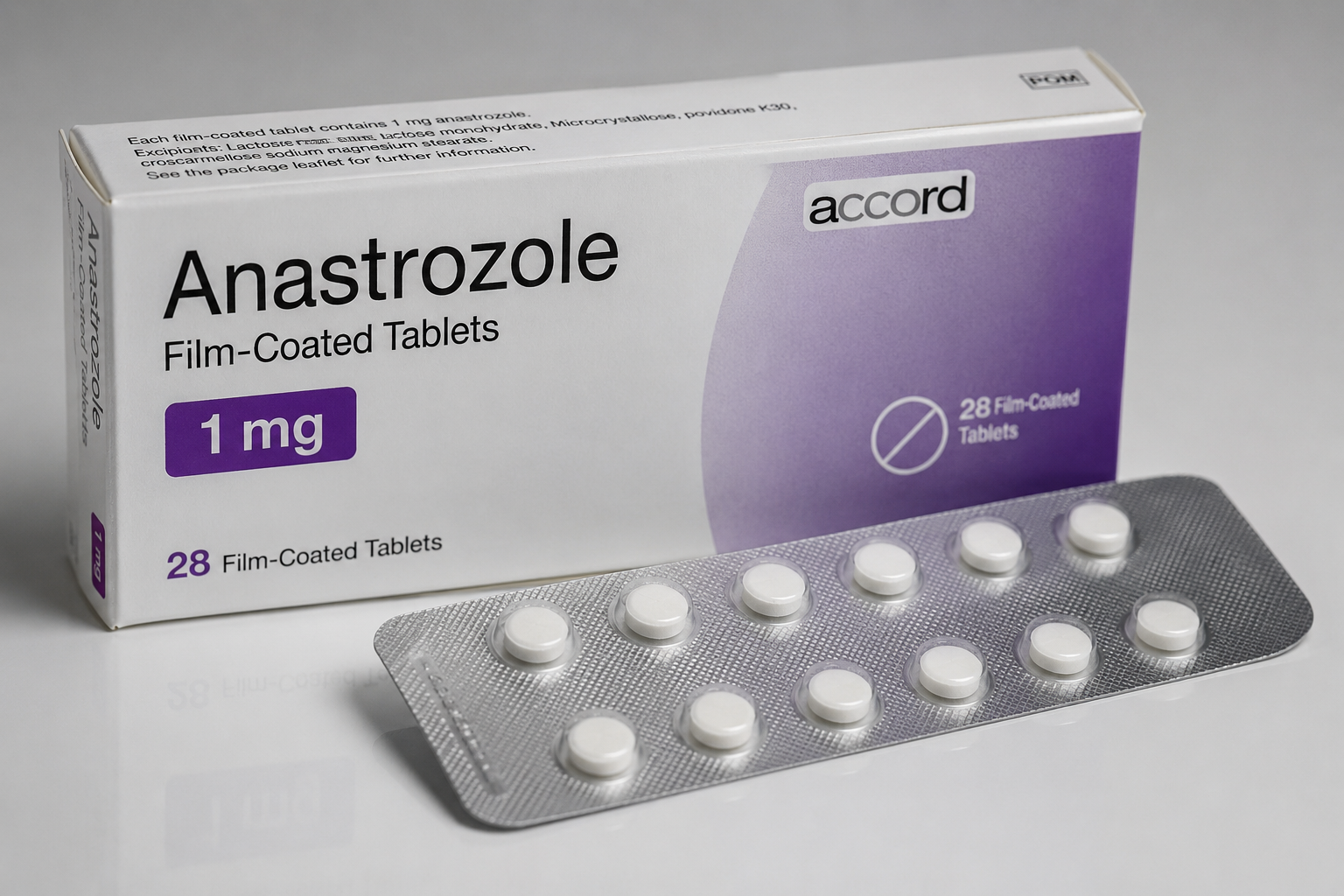
A non-steroidal reversible aromatase inhibitor that reduces oestrogen synthesis through a different mechanism.
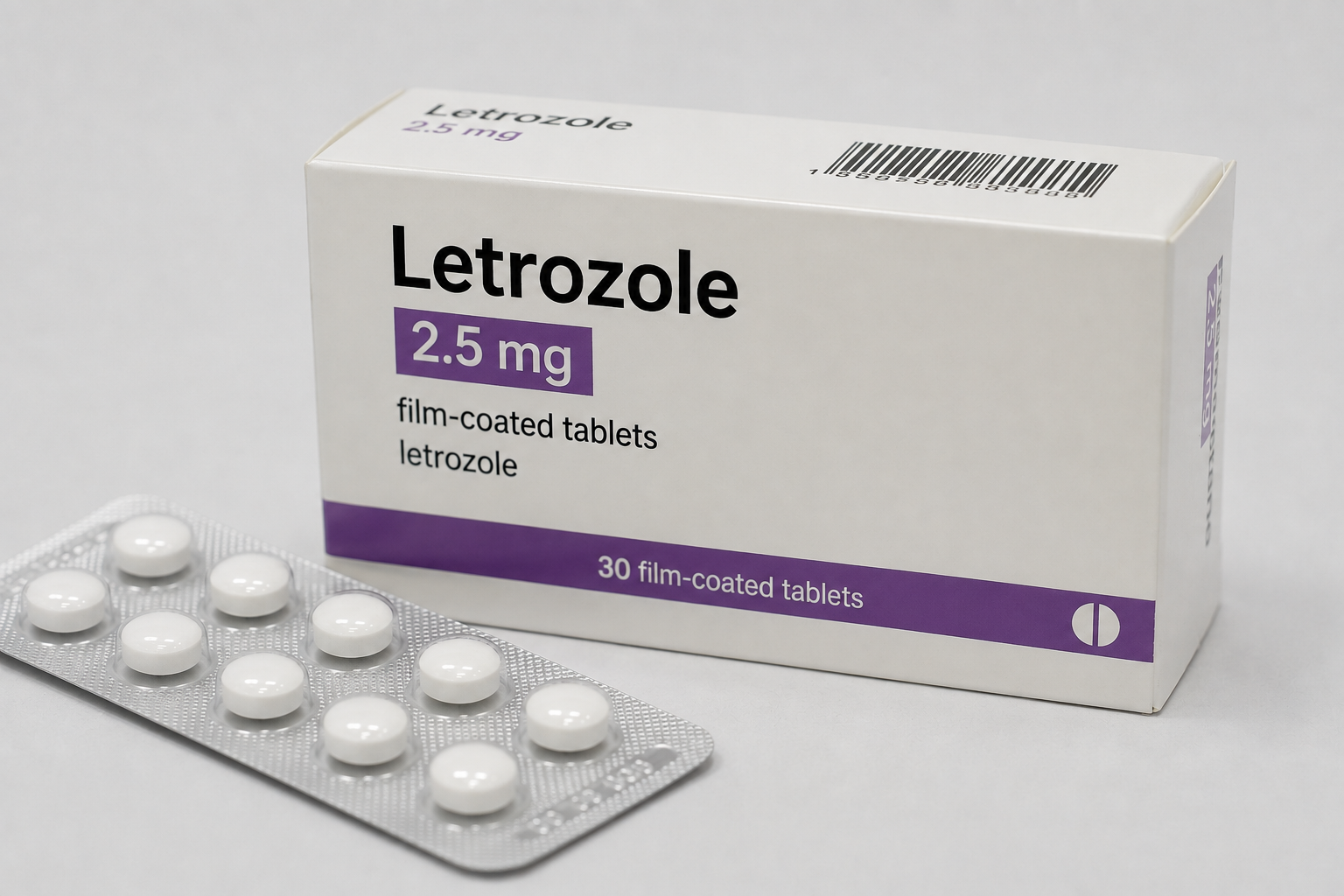
A potent non-steroidal aromatase inhibitor capable of substantially suppressing oestrogen synthesis.
Compare the pharmacology and wider role of aromatase inhibitors during testosterone treatment.
Compare Aromatase InhibitorsExemestane and tamoxifen may both appear in discussions about oestrogen-related conditions, but they are not the same type of medicine.
Exemestane is an aromatase inhibitor. It reduces oestrogen synthesis.
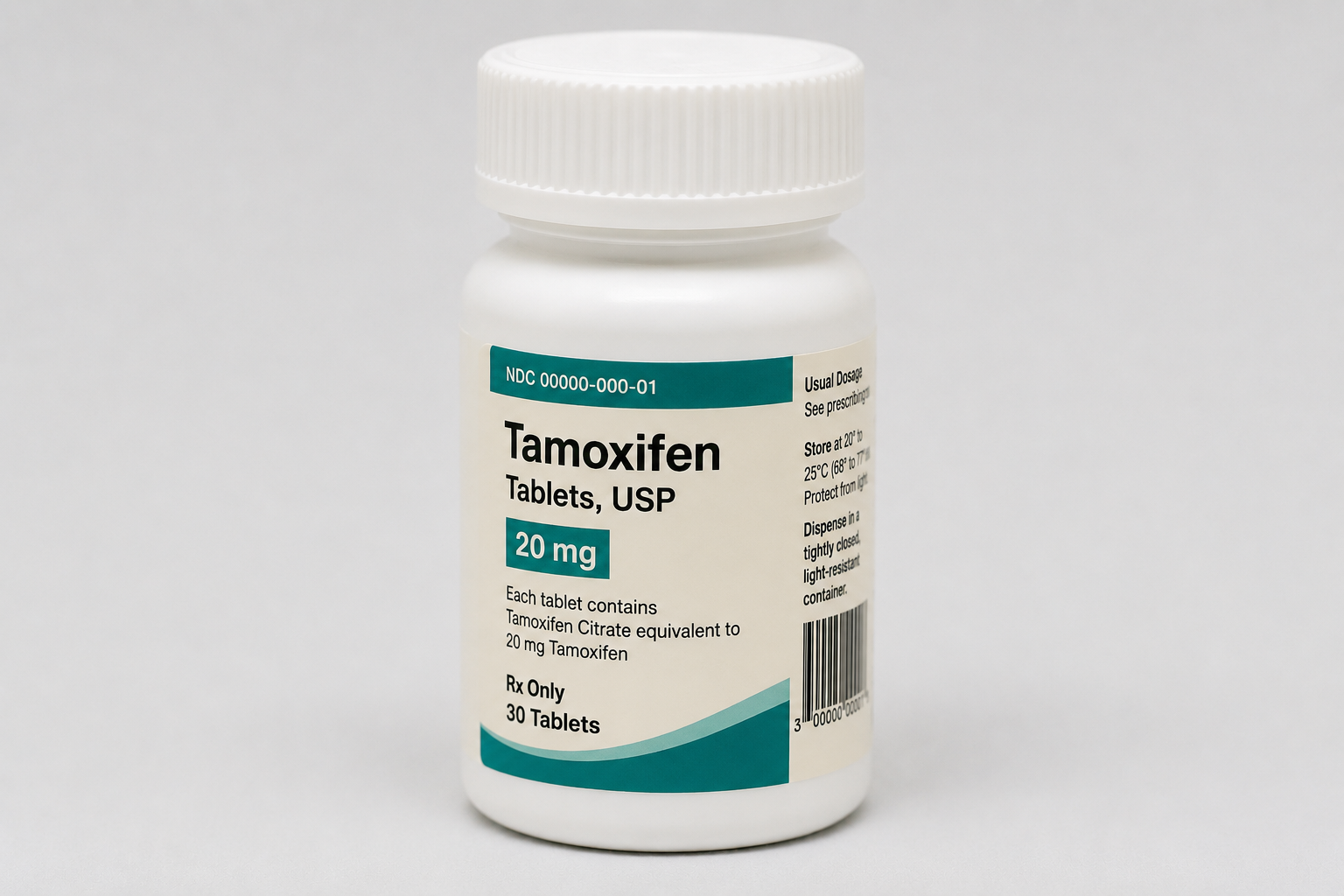
Tamoxifen is a Selective Oestrogen Receptor Modulator, or SERM. It modifies oestrogen-receptor signalling rather than inhibiting aromatase.
This difference is particularly relevant when male breast symptoms or gynaecomastia are being discussed.
Gynaecomastia is enlargement of glandular male breast tissue and is often associated online with “high oestrogen”.
The reality is more complex. Breast symptoms need proper assessment, and an elevated oestradiol result alone does not establish the cause of a breast lump or enlargement.
Aromatase inhibitors reduce oestrogen synthesis, whereas medicines such as tamoxifen act through oestrogen receptors. These are different pharmacological approaches.
Persistent unilateral breast enlargement, a new lump, nipple discharge or other concerning breast symptoms should be medically assessed rather than self-treated with exemestane.

Exemestane is a prescription aromatase inhibitor capable of substantially changing oestrogen exposure.
Using it simply because an E2 result appears elevated, repeatedly changing treatment according to symptoms or attempting to drive oestradiol as low as possible can result in unnecessary hormone suppression.
Changes to exemestane, prescribed testosterone or other hormone-modifying medicines should be discussed with the clinician responsible for treatment.
Aromatase inhibition should be considered as part of the wider treatment picture rather than focusing only on an oestradiol number.
Oestradiol measurements can help show the degree of oestrogen suppression occurring during treatment.
Oestradiol should be interpreted alongside testosterone rather than treated as an entirely separate hormone system.
Both the symptoms prompting treatment and any new symptoms after aromatase inhibition are clinically relevant.
Testosterone preparation, prescribed dose and administration schedule remain important parts of the assessment.
Prolonged oestrogen suppression may warrant broader consideration of bone health and other relevant health markers.
Repeated results and clinical trends generally provide more useful information than reacting to a single laboratory measurement.
Exemestane differs from anastrozole and letrozole because it is a steroidal, irreversible aromatase inhibitor.
That pharmacological difference is worth understanding, but it does not change the central principle of oestradiol management during TRT.
Oestradiol is a normal and important male hormone. A higher blood result does not automatically mean it needs to be suppressed, and excessive aromatase inhibition may produce unwanted effects of its own.
Treatment decisions should therefore be based on symptoms, hormone results, the TRT protocol and the wider clinical circumstances rather than attempting to reach the lowest possible E2 value.
Explore other aromatase inhibitors, oestradiol physiology and related hormone guidance.
Common questions about exemestane, aromatase inhibition, oestradiol and testosterone replacement therapy.
Exemestane is a steroidal aromatase inhibitor that irreversibly inactivates the aromatase enzyme and reduces oestrogen synthesis.
Testosterone can be converted into oestradiol through aromatase. Exemestane reduces aromatase activity, so it may sometimes be discussed where oestradiol management is clinically relevant.
Yes. Exemestane permanently inactivates the individual aromatase enzyme molecules to which it binds. The body can subsequently synthesise new aromatase enzyme.
No. Irreversible refers to the enzyme molecules bound by exemestane. New aromatase enzyme can be produced, so oestrogen synthesis can recover over time.
Exemestane is a steroidal irreversible aromatase inhibitor, whereas anastrozole is a non-steroidal reversible aromatase inhibitor.
No. Exemestane is steroidal and irreversibly inhibits aromatase. Letrozole is a non-steroidal reversible aromatase inhibitor.
No. Oestradiol should be interpreted alongside testosterone, symptoms, treatment protocol and blood-test timing rather than treated as an isolated number.
Yes. Exemestane is an effective aromatase inhibitor and can substantially reduce oestrogen synthesis. Excessive suppression is not automatically desirable because oestradiol has important physiological functions in men.
Oestradiol contributes to male sexual physiology alongside testosterone. Excessive suppression may contribute to sexual symptoms in some men, although these symptoms have many potential causes.
Yes. Oestradiol contributes substantially to male skeletal health, and studies of aromatase inhibition in men have raised concerns about reduced bone mineral density when oestrogen exposure is lowered for prolonged periods.
UK product information reports a terminal elimination half-life of approximately 24 hours in the population studied for its licensed use. Pharmacokinetic studies in men have reported different figures, illustrating that half-life estimates can vary between populations and study designs.
No. Exemestane is an aromatase inhibitor, whereas tamoxifen is a Selective Oestrogen Receptor Modulator, or SERM. They affect oestrogen physiology through different mechanisms.
Aromatase inhibition may be relevant in some clinical circumstances, but gynaecomastia should be properly assessed. New or persistent male breast symptoms should not be self-treated with exemestane.
No. Exemestane's UK licensed indications relate to certain forms of breast cancer in postmenopausal women. Use in men alongside TRT would therefore be outside its licensed indication.
This guide is provided for general educational purposes and does not replace personalised medical advice, diagnosis or treatment. Exemestane is a prescription medicine. Aromatase inhibitors, SERMs and changes to prescribed testosterone therapy should only be considered with an appropriately qualified healthcare professional.