Join our community
Tamoxifen is sometimes discussed alongside Testosterone Replacement Therapy (TRT), particularly when breast tenderness, nipple sensitivity or gynaecomastia become a concern.
However, tamoxifen is not an aromatase inhibitor. It belongs to a different class of medicines known as Selective Oestrogen Receptor Modulators, or SERMs.
This distinction is important. Aromatase inhibitors reduce oestrogen production, whereas tamoxifen modifies the effects of oestrogen at receptors in particular tissues. Understanding that difference helps explain why the medications should not be treated as interchangeable approaches to “high oestrogen” during TRT.
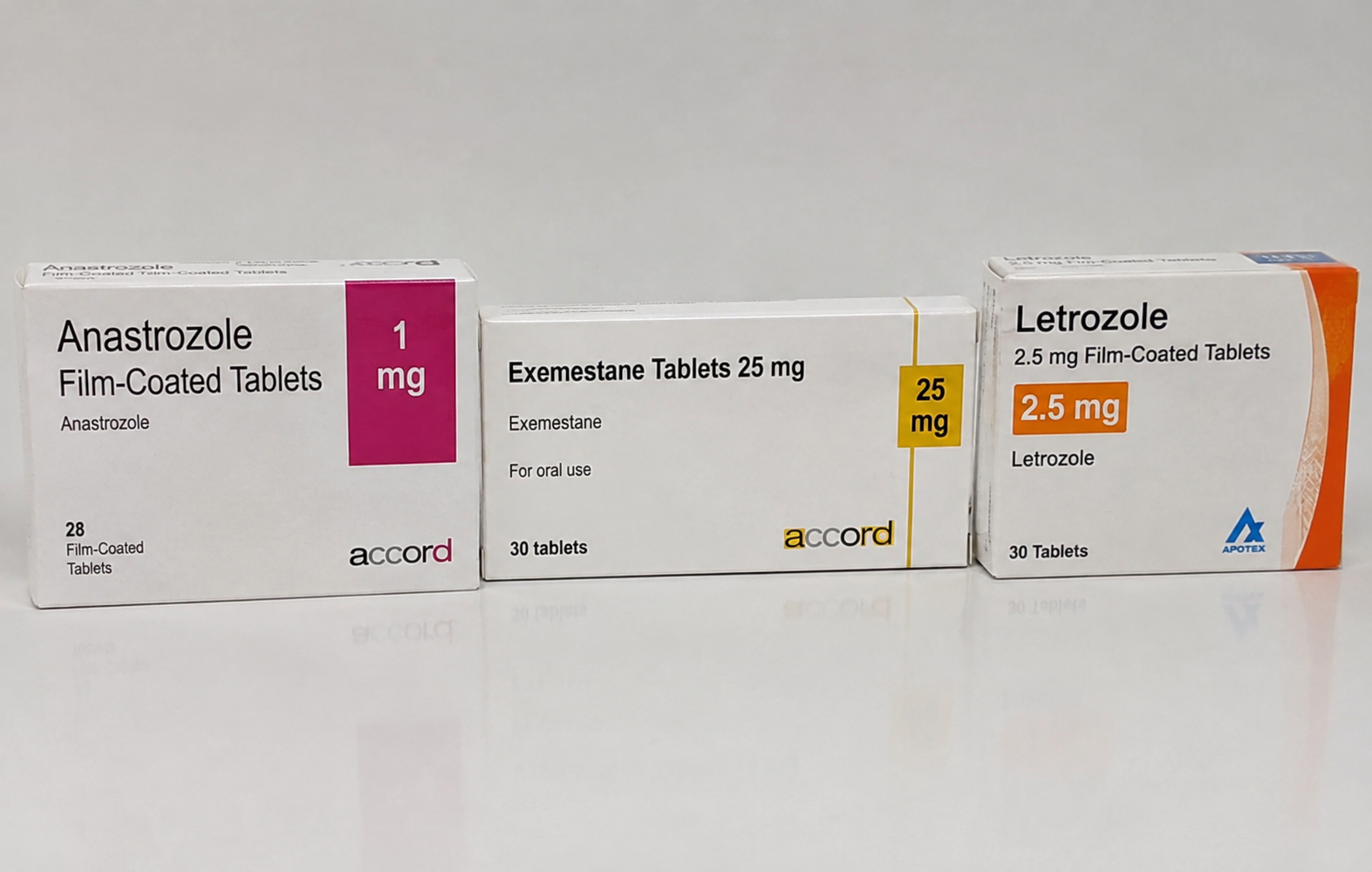
Tamoxifen acts at oestrogen receptors. This is fundamentally different from using an aromatase inhibitor such as anastrozole, exemestane or letrozole to reduce oestrogen synthesis.
This distinction is particularly relevant when male breast symptoms or gynaecomastia are being assessed.
Breast symptoms during TRT should still be appropriately evaluated. Tamoxifen should not be self-prescribed simply because nipple sensitivity develops or an oestradiol blood result is elevated.
Tamoxifen is a Selective Oestrogen Receptor Modulator, commonly abbreviated to SERM.
SERMs interact with oestrogen receptors and can produce different effects in different tissues. Tamoxifen can oppose oestrogenic signalling in breast tissue, which is why its established medical uses are closely associated with hormone-responsive breast disease.
Tamoxifen has been used extensively in the treatment and prevention of certain forms of breast cancer. Its pharmacology has also led to clinical use in selected male conditions.
In the context of TRT, discussion usually centres on breast symptoms and gynaecomastia rather than using tamoxifen as a routine component of testosterone replacement.

Oestrogens exert many of their effects by binding to oestrogen receptors in tissues throughout the body.
Tamoxifen and its active metabolites interact with these receptors. Its effects vary according to the tissue involved, which is why it is described as a selective oestrogen receptor modulator rather than simply an “oestrogen blocker”.
In breast tissue, tamoxifen can oppose oestrogen-mediated activity. This is particularly relevant to discussions surrounding gynaecomastia.
Importantly, this is different from inhibiting aromatase. Tamoxifen does not work in the same way as anastrozole, exemestane or letrozole.
Tamoxifen tends to enter TRT discussions when attention turns from blood-test results to oestrogen-responsive breast tissue.
TRT increases testosterone availability as part of treating testosterone deficiency.
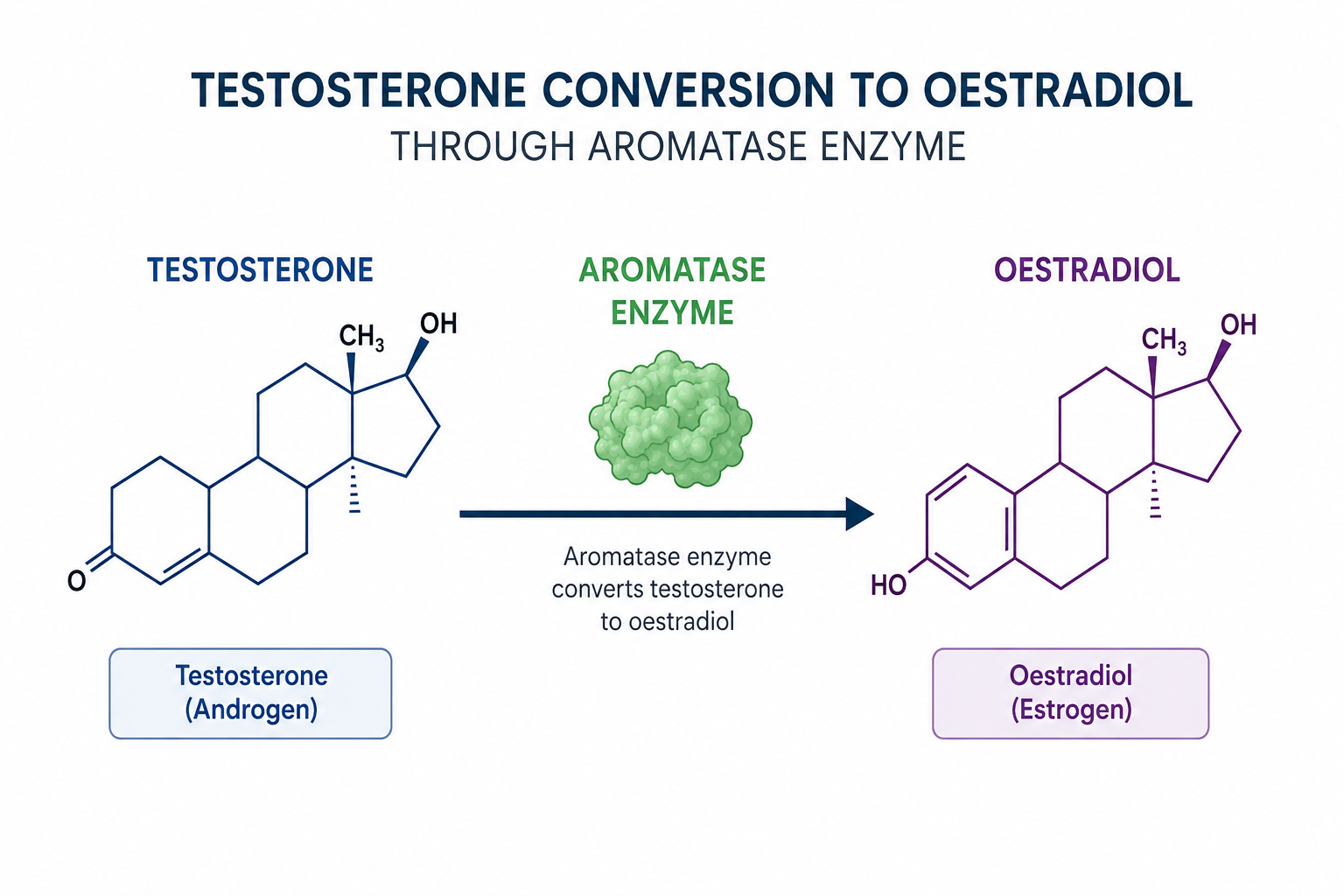
Some testosterone can be converted into oestradiol through the aromatase enzyme as part of normal male physiology.
Increased testosterone availability may therefore be accompanied by increased circulating oestradiol in some men.
Breast tenderness, nipple sensitivity or glandular enlargement can prompt investigation during testosterone treatment.
Breast symptoms should not automatically be assumed to prove that oestradiol is excessively high or that medication is required.
Where gynaecomastia is confirmed, the appropriate approach depends on its cause, duration, clinical features and the wider treatment picture.
Gynaecomastia is benign enlargement of glandular male breast tissue. It develops when the hormonal environment acting on breast tissue favours oestrogenic stimulation relative to androgenic effects.
Tamoxifen is relevant because of its anti-oestrogenic activity in breast tissue. Clinical evidence supports its use in selected cases of gynaecomastia, particularly when the condition is relatively recent and painful or tender.
That does not mean every episode of nipple sensitivity during TRT represents established gynaecomastia, nor that tamoxifen should be started without assessment.
Duration matters because longstanding gynaecomastia can become more fibrotic, potentially making medical treatment less effective than during the earlier proliferative phase.

Breast tenderness or nipple sensitivity can attract considerable attention during TRT, but symptoms alone do not establish the presence of glandular gynaecomastia.
A clinician may consider the history, physical findings, medications, testosterone treatment, hormone results and other potential causes before deciding what is happening.
Automatically taking tamoxifen whenever breast sensitivity occurs risks treating a presumed diagnosis rather than establishing the underlying problem.
This is one of the most important distinctions to understand when discussing oestrogen-related medication during TRT.
Tamoxifen is a SERM. It modifies oestrogen receptor activity and can oppose oestrogenic signalling in breast tissue.
Anastrozole is a non-steroidal reversible aromatase inhibitor that reduces oestrogen synthesis.
Exemestane is a steroidal irreversible aromatase inhibitor and reduces oestrogen production through a different mechanism.
Letrozole is a potent non-steroidal aromatase inhibitor capable of substantial suppression of oestrogen synthesis.
AIs target oestrogen production through aromatase. Tamoxifen acts primarily through oestrogen receptors rather than simply lowering circulating E2.
The appropriate medication depends on the condition being treated. They should not be viewed as interchangeable ways of “blocking oestrogen”.
Tamoxifen should not be thought of simply as a medicine for lowering an elevated E2 blood result.
Its principal mechanism is modulation of oestrogen receptor activity rather than aromatase inhibition. A man can therefore still have circulating oestradiol while tamoxifen is exerting anti-oestrogenic effects in particular tissues.
This is another reason an isolated oestradiol result should not automatically determine treatment.
Testosterone exposure, symptoms, breast findings, blood-test timing, treatment protocol and previous results all provide important context.
Tamoxifen is a prescription medicine with recognised adverse effects. Its risk-benefit profile depends on why it is being used, the patient and the wider clinical circumstances.
New leg swelling or pain, unexplained breathlessness, chest pain, coughing up blood or sudden neurological symptoms can indicate a serious medical problem and require urgent assessment.
New or significant visual disturbance during tamoxifen treatment should also be medically reviewed.
These symptoms should not be assumed to be routine consequences of TRT or managed by adjusting hormone medication without appropriate medical assessment.
Gynaecomastia is common and usually benign, but a new breast change should not automatically be attributed to TRT or oestradiol.
A new or unexplained breast lump, particularly where it is unilateral, hard or irregular, deserves appropriate medical assessment.
Nipple discharge, nipple retraction, skin changes, enlarged lymph nodes or persistent unexplained breast changes should also be clinically reviewed.
Treating an assumed hormonal cause with tamoxifen before investigating concerning breast findings could delay identification of another condition.
Tamoxifen is a prescription medicine with clinically important contraindications, interactions and potential adverse effects.
Breast tenderness, nipple sensitivity or a higher oestradiol result does not establish that tamoxifen is necessary.
Where breast symptoms develop during TRT, the appropriate approach is to establish what is happening and review the wider treatment context rather than automatically adding another hormone-active medicine.
Breast symptoms during testosterone therapy should be considered within the wider clinical picture.
Establishing whether glandular breast tissue is actually present can help distinguish gynaecomastia from other causes of breast enlargement or discomfort.
How long breast enlargement or tenderness has been present can influence both assessment and the likelihood of response to medical treatment.
Testosterone, oestradiol and other investigations may be relevant depending on the presentation and suspected cause.
Testosterone preparation, prescribed dose, administration schedule and the concentrations achieved during treatment provide important context.
Prescription medicines, non-prescribed drugs and other substances can contribute to gynaecomastia or affect the suitability of tamoxifen.
Gynaecomastia has numerous potential causes. TRT should not automatically be assumed to explain every new breast symptom.
Tamoxifen has a legitimate role in medicine and can be relevant to the treatment of selected cases of gynaecomastia. Its mechanism, however, is fundamentally different from that of an aromatase inhibitor.
It does not simply provide another way of lowering an E2 blood result. Tamoxifen modifies oestrogen receptor activity, including anti-oestrogenic activity in breast tissue.
That distinction matters during TRT. Breast symptoms require appropriate assessment, and an elevated oestradiol result alone does not establish either gynaecomastia or the need for tamoxifen.
The aim should remain appropriate management of the patient and their testosterone treatment rather than automatically treating every oestrogen-related concern with another medication.
Explore the relationship between oestradiol, aromatase inhibitors and the medications discussed alongside testosterone treatment.
Common questions about tamoxifen, gynaecomastia, oestrogen receptors and testosterone replacement therapy.
Tamoxifen is a Selective Oestrogen Receptor Modulator, or SERM. It interacts with oestrogen receptors and can oppose oestrogenic activity in tissues including breast tissue.
No. Tamoxifen is a SERM. Aromatase inhibitors such as anastrozole, exemestane and letrozole reduce oestrogen synthesis by inhibiting aromatase, whereas tamoxifen acts through oestrogen receptors.
Tamoxifen is most commonly discussed in relation to TRT when breast tenderness or gynaecomastia becomes a concern. It is not a routine component of testosterone replacement therapy.
Tamoxifen has been used clinically for selected cases of gynaecomastia, particularly relatively recent painful or tender gynaecomastia. Appropriate assessment is still required before treatment.
No. Nipple sensitivity or breast tenderness does not by itself establish the presence of gynaecomastia. Persistent or concerning breast symptoms should be appropriately assessed.
Tamoxifen should not be regarded as an aromatase inhibitor used simply to lower circulating oestradiol. Its principal action is modulation of oestrogen receptor activity.
Tamoxifen is a Selective Oestrogen Receptor Modulator that acts at oestrogen receptors. Anastrozole is an aromatase inhibitor that reduces oestrogen synthesis. They therefore have different mechanisms of action.
An elevated oestradiol result alone does not establish that tamoxifen is required. Tamoxifen acts primarily through oestrogen receptors and treatment decisions should be based on the clinical problem rather than an isolated E2 number.
Tamoxifen is associated with an increased risk of venous thromboembolic events. Individual risk factors and medical history therefore need to be considered when treatment is being assessed.
Visual and ocular adverse effects have been reported with tamoxifen. New or unexplained visual symptoms during treatment should be medically assessed.
Breast tenderness alone does not establish that tamoxifen is necessary. The cause of the symptoms and whether gynaecomastia is actually present should be considered before treatment.
A new or unexplained breast lump, persistent unilateral change, nipple discharge, nipple retraction, skin changes or other concerning breast symptoms should be appropriately medically assessed rather than assumed to be a TRT side effect.
This guide is provided for general educational purposes and does not replace personalised medical advice, diagnosis or treatment. Tamoxifen is a prescription medicine. SERMs, aromatase inhibitors and changes to prescribed testosterone therapy should only be considered with an appropriately qualified healthcare professional.