Join our community
Testosterone Enanthate is a medium-to-long acting injectable form of testosterone used as part of testosterone replacement therapy in men with clinically confirmed testosterone deficiency.
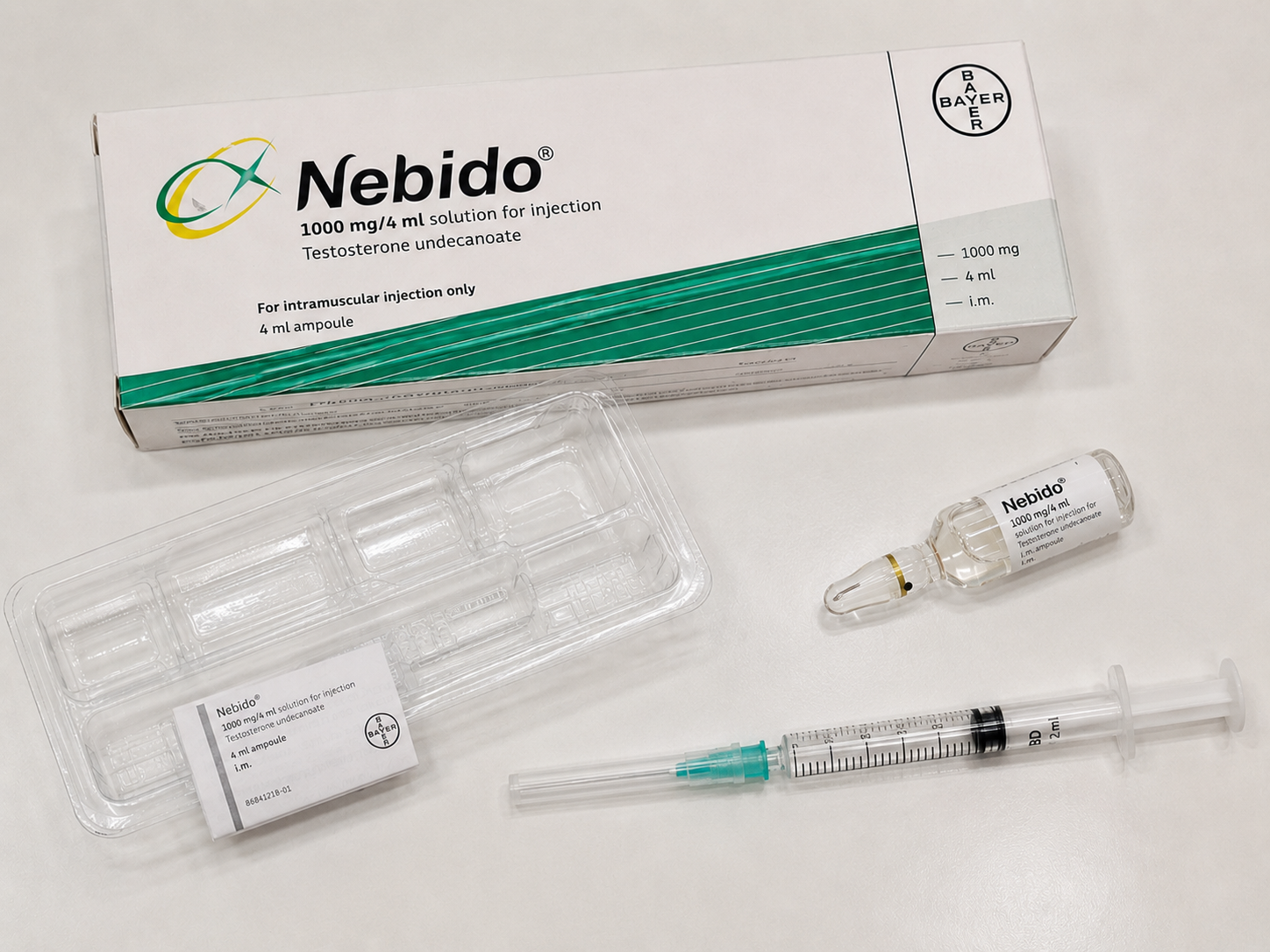
Within UK TRT, Enanthate is particularly relevant because it provides a single-ester injectable alternative to preparations such as Cypionate, Sustanon and long-acting Nebido. Depending on the treatment pathway and product supplied, it may be prescribed using an individualised injection schedule.
This guide explains how Testosterone Enanthate works, its availability in the UK, ampoules and pharmacy supply, why clinicians may consider it for TRT, typical treatment scheduling, monitoring, potential side effects and how it compares with Cypionate and Sustanon.
Testosterone Enanthate is a medium-to-long acting, single-ester injectable form of testosterone. It may be considered as part of medically supervised testosterone replacement therapy where symptoms, repeated blood results and wider clinical assessment support a diagnosis of testosterone deficiency.
It is a prescription medicine and should only be supplied through an appropriate prescribing pathway. Responsible TRT begins with properly timed blood testing, followed by medical review and discussion of the treatment options that may be clinically suitable.
The most appropriate testosterone medicine is not chosen by price, popularity or online opinion alone. Medical history, fertility plans, blood markers, previous treatment, practicality, tolerability and pharmacy availability can all influence the prescribing decision.
A concise overview of how Testosterone Enanthate fits within clinically supervised TRT in the UK.
Testosterone Enanthate, a medium-to-long acting single-ester injectable testosterone preparation.
Prescription testosterone supplied through an appropriate medical and pharmacy pathway.
Testosterone replacement where injectable TRT is considered clinically appropriate.
UK patients commonly encounter Enanthate supplied in individual glass ampoules rather than large multi-dose vials.
Blood tests, symptom review and ongoing clinical oversight remain important throughout treatment.
Determined individually following medical, laboratory and practical assessment.
Testosterone Enanthate combines testosterone with an Enanthate ester. The ester slows the release of testosterone following injection, extending the period over which testosterone becomes available to the body.
It is normally supplied as an oil-based injectable solution. After administration, testosterone is released progressively from the injected preparation before the ester is cleaved and active testosterone becomes available.
Within medically supervised TRT, the aim is physiological hormone replacement rather than bodybuilding-level or supraphysiological testosterone exposure.
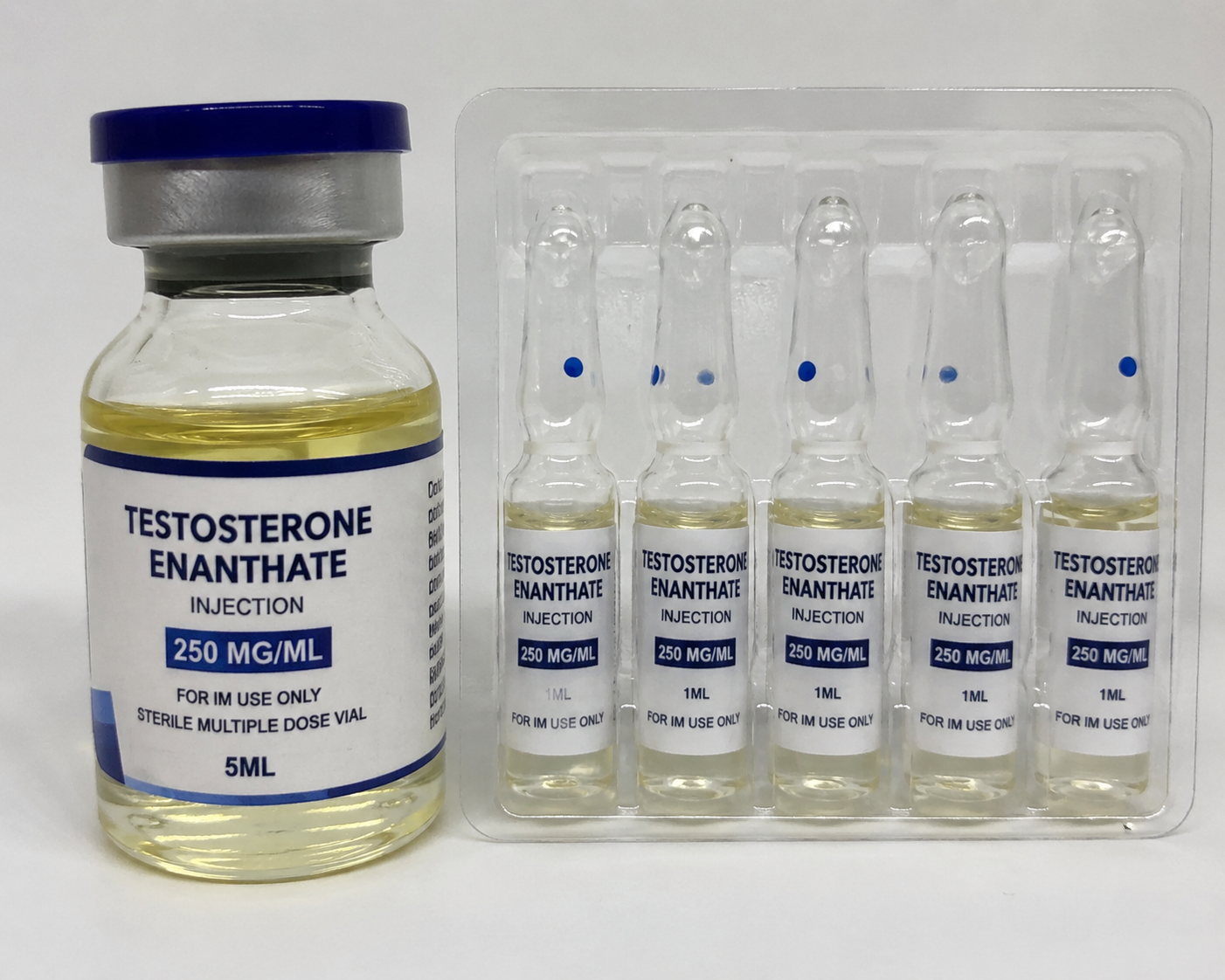
UK patients are commonly supplied Testosterone Enanthate in individual glass ampoules rather than the larger multi-dose vials that may be familiar from some international markets.
Pharmacy stock, individual products and available presentations can vary. This means that a patient's prescription and practical treatment plan may partly depend on the preparation that can reliably be sourced and dispensed through the pharmacy being used.
Product availability should therefore be treated as a practical prescribing consideration rather than assuming every Enanthate presentation seen online will be routinely available through a UK pharmacy.
Enanthate is not automatically the best testosterone preparation for every patient, but its formulation and practical characteristics can make it a useful option in selected TRT pathways.
Enanthate contains one testosterone ester, providing a relatively straightforward injectable formulation that can be assessed using follow-up symptoms and blood results.
Enanthate can be prescribed using a regular injection schedule. Twice-weekly dosing is commonly encountered in TRT practice, while some treatment plans use smaller, more frequent doses where clinically appropriate.
Follow-up bloodwork, symptoms and tolerability allow the clinician to assess whether the prescribed testosterone exposure and schedule remain suitable over time.
Testosterone Enanthate is a longer-acting injectable ester, but its duration does not mean every patient should use the same injection frequency.
Testosterone is released progressively from the injected oil depot rather than entering circulation all at once. The resulting hormone exposure develops over time and can vary between individuals.
Treatment schedules are individual. Twice-weekly administration is commonly encountered in TRT practice, while some clinicians use smaller, more frequent dosing where it suits the prescribed plan.
Dose and injection frequency should be reviewed using blood results, symptoms and tolerability rather than changed independently when a patient believes the interval feels too long or too short.
Symptoms, repeated testosterone results, medical history and wider health markers are reviewed before testosterone treatment is considered.
Fertility, cardiovascular health, prostate health, medication, sleep, body composition and other relevant factors may be discussed.
Where treatment is appropriate, the clinician determines whether Enanthate or another testosterone preparation is suitable while accounting for practical pharmacy availability.
Bloodwork, symptoms, side effects and the wider clinical response are reviewed over time after treatment begins.
Where testosterone deficiency is genuinely contributing to a patient's symptoms, appropriate TRT may improve areas such as libido, energy, mood, motivation and concentration.
Changes involving strength, recovery and body composition may take longer and depend on factors beyond testosterone alone, including exercise, nutrition, sleep and underlying health.
Treatment response is individual. A perceived lack of improvement should be reviewed clinically rather than addressed by independently increasing testosterone exposure.

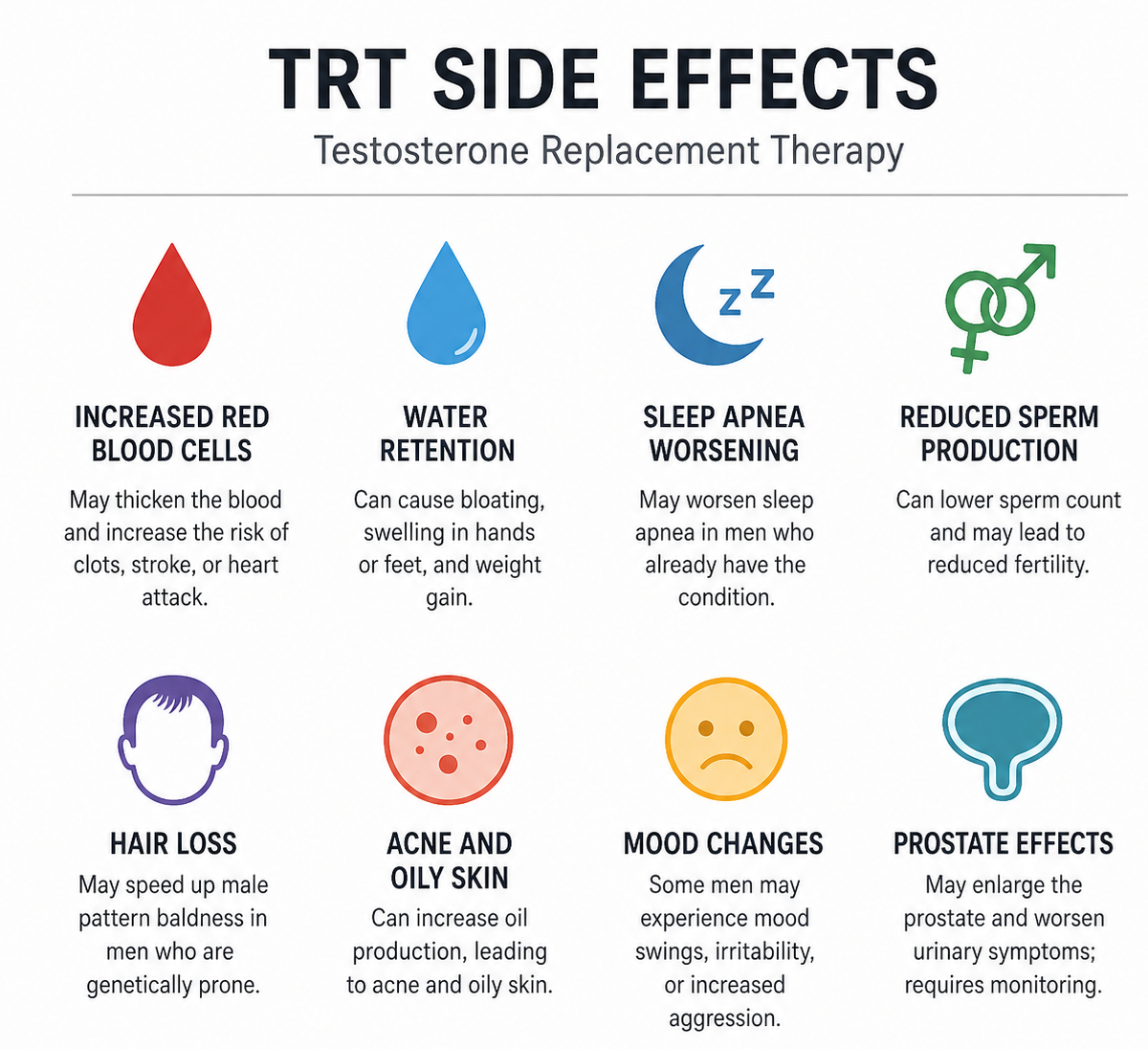
Testosterone treatment can produce unwanted effects, which is why regular blood testing and clinical follow-up remain an important part of TRT.
Testosterone can increase haemoglobin and haematocrit, making Full Blood Count monitoring important during treatment.
Acne, oilier skin or accelerated androgen-sensitive hair loss can occur in susceptible individuals.
Testosterone can aromatise into oestradiol. E2 should be interpreted alongside testosterone levels, symptoms and the wider clinical picture.
TRT suppresses reproductive signalling and can substantially reduce natural sperm production.
Temporary soreness, irritation or other local reactions can occur following an injection.
Prostate health, cardiovascular risk, blood pressure, sleep apnoea and other health factors can influence testosterone treatment.
Testosterone Enanthate may be considered for an adult man with relevant symptoms, appropriately repeated testosterone results and no contraindication identified during assessment.
It may suit someone comfortable with injectable treatment and able to follow a regular prescription and monitoring schedule. The practicalities of ampoule-based medication may also form part of the treatment discussion.
Patient preference remains only one part of the prescribing decision. A clinician may determine that another testosterone preparation, further investigation or no TRT is more appropriate.

All three preparations deliver injectable testosterone, but their formulations, availability and practical treatment characteristics differ.
A single medium-to-long acting testosterone ester used within injectable testosterone replacement therapy.
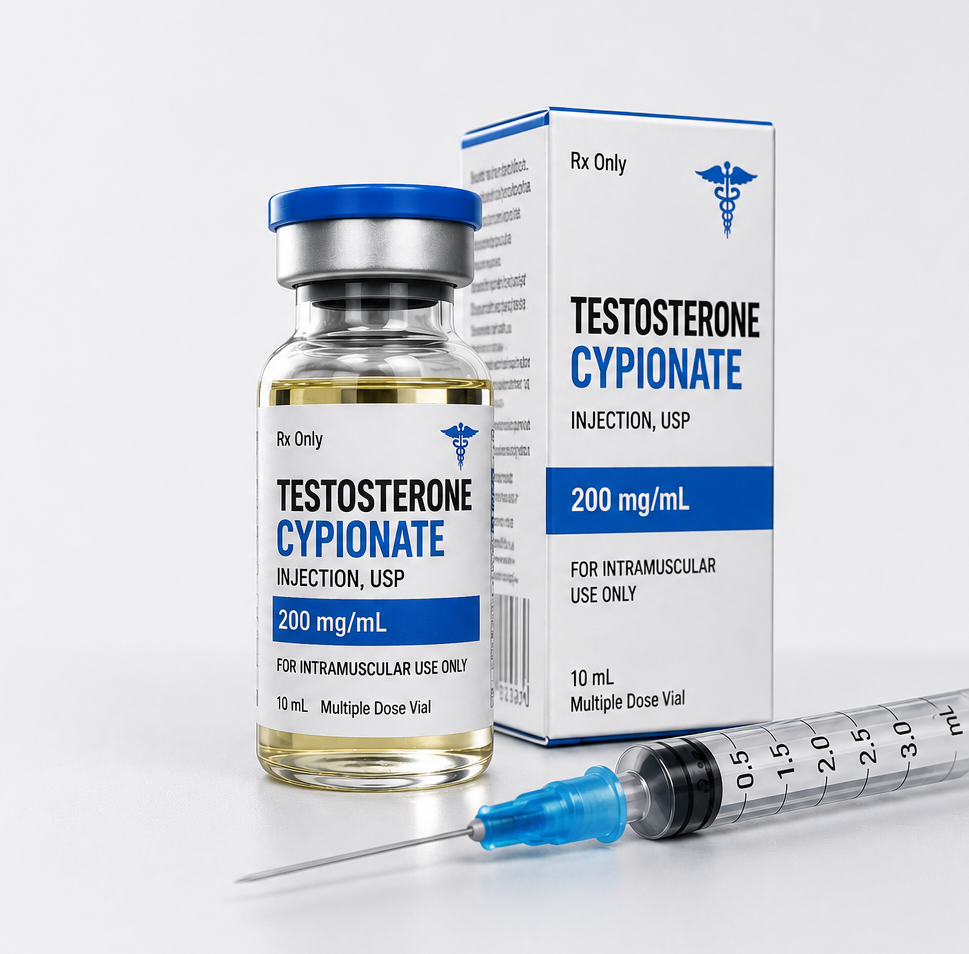
Another single longer-acting testosterone ester with a broadly similar role within injectable TRT.
A testosterone preparation containing several esters rather than one single ester.
The appropriate preparation depends on clinical suitability, individual response, practical treatment considerations and the products available through the prescribing and pharmacy pathway.
Prescribing testosterone is only one part of TRT. Ongoing monitoring helps assess treatment response and identify relevant safety issues.
Used alongside symptoms to understand testosterone exposure and treatment response.
Important for monitoring testosterone-related changes in red blood cell production.
Considered alongside testosterone levels, symptoms and the wider treatment context.
PSA and prostate-related assessment may form part of appropriate ongoing monitoring.
Lipids, liver markers, kidney function and other measurements may be reviewed according to the individual monitoring plan.
Laboratory results should be interpreted alongside how the patient feels and responds clinically.
People prescribed injectable TRT should receive clear instructions about the medication, equipment and administration method relevant to their individual treatment plan.
Our syringe guide explains common syringe capacities, needle terminology and measurement conventions used around prescribed testosterone injections.
TRT Syringe GuideExplore other injectable testosterone preparations, administration, blood monitoring and the wider UK treatment pathway.
Common questions about Testosterone Enanthate, injectable TRT, pharmacy availability and ongoing monitoring in the UK.
Testosterone Enanthate may be prescribed through an appropriate UK healthcare pathway where testosterone treatment is considered clinically appropriate.
It can be used as an injectable testosterone replacement preparation for men where testosterone therapy is clinically appropriate following assessment.
UK patients commonly encounter Testosterone Enanthate supplied in individual glass ampoules. Available products and presentations can vary according to pharmacy supply.
Injection frequency depends on the individual prescription and treatment plan. Twice-weekly schedules are commonly encountered in TRT practice, while some clinicians may use smaller, more frequent doses where appropriate.
Treatment response varies between individuals. Some symptoms may change earlier, while changes involving strength, recovery or body composition can take longer.
Neither preparation is automatically better. Enanthate contains one testosterone ester whereas Sustanon contains a blend of four esters. The appropriate preparation depends on the individual clinical and practical context.
Both are single-ester injectable testosterone preparations with broadly similar clinical roles. Individual products may differ in concentration, carrier oil, presentation and UK availability.
Testosterone treatment should be considered in the context of symptoms, appropriately repeated hormone testing, medical history and relevant wider health markers.
Testosterone therapy can suppress natural reproductive signalling and reduce sperm production. Future fertility should therefore be discussed before beginning TRT.
Ongoing clinical and laboratory monitoring is an important part of testosterone replacement therapy. Treatment response, relevant blood markers, symptoms and potential side effects should be reviewed over time.
This guide is provided for general educational purposes and does not replace personalised medical advice, diagnosis or treatment. Testosterone replacement therapy is prescription treatment and should only be considered following appropriate assessment by a qualified healthcare professional.