Join our community
Testogel is a topical testosterone treatment used for TRT in the UK in men with clinically confirmed testosterone deficiency. Instead of injecting testosterone, the medication is applied to the skin and absorbed gradually into the bloodstream.
Testosterone gels are particularly relevant in the UK because they are among the testosterone preparations commonly encountered through NHS treatment pathways. They may also be prescribed privately where a patient prefers a needle-free form of TRT.
This guide explains how Testogel works, how topical testosterone differs from injections, how it is applied, what monitoring may be required and why preventing accidental transfer to partners or children is particularly important.
Testogel is a transdermal testosterone medicine. Rather than being injected into muscle or subcutaneous tissue, testosterone is contained within a gel that is applied directly to the skin.
Testosterone passes through the skin and enters the circulation, providing exogenous testosterone to men whose own testosterone production is insufficient.
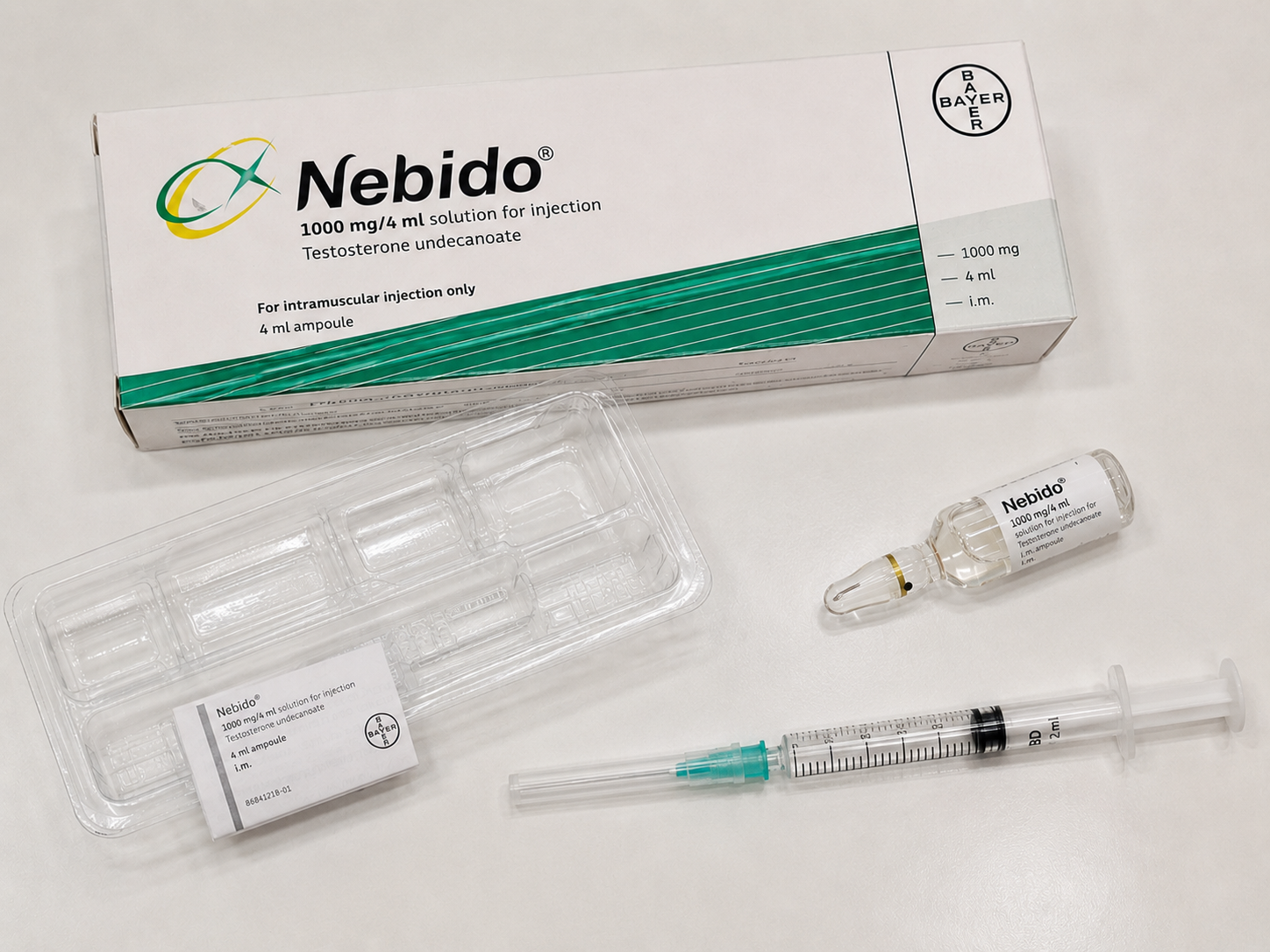
It belongs to the same overall category of treatment as injectable testosterone preparations such as testosterone cypionate, testosterone enanthate, Sustanon and Nebido, but the delivery route and pharmacokinetic pattern are different.
Testogel therefore provides another way of delivering testosterone rather than representing a fundamentally different hormone therapy.
The gel creates a route for testosterone to move from the surface of the skin into the systemic circulation.
The prescribed quantity of testosterone gel is spread onto the recommended clean, dry application area.
Testosterone is absorbed through the skin rather than being delivered directly by an injection.
Absorbed testosterone enters the bloodstream and contributes to circulating testosterone concentrations.
Regular application provides repeated testosterone exposure without relying on an injectable testosterone depot.
Testosterone gels are available in different presentations and strengths. The amount of gel applied is not necessarily the same as the amount of testosterone contained within it.
The prescribed testosterone amount depends on the exact gel formulation and concentration supplied.
Pump dispensers can deliver a measured quantity of gel with each actuation according to the individual product.
Some testosterone gel preparations are supplied in individual sachets containing a defined amount of medication.
Different gels can have different concentrations, dispensing systems and application instructions. Follow the instructions for the exact product that has been prescribed.
Testosterone gel is particularly relevant to UK TRT because topical testosterone preparations are commonly encountered within NHS testosterone treatment pathways.
Men treated through the NHS may be offered testosterone gel as an initial treatment option. The exact preparation available can depend on local prescribing arrangements and the clinician responsible for treatment.
Gel avoids the need for self-injection and allows testosterone to be administered at home without needles, syringes or injectable medication.
Successful treatment still depends on sufficient absorption through the skin. Blood monitoring is therefore important to establish the testosterone exposure being achieved.
Where topical treatment is unsuitable, poorly tolerated or does not provide an adequate response, injectable testosterone may form part of the discussion. Sustanon and long-acting testosterone undecanoate such as Nebido are particularly relevant when discussing UK and NHS testosterone treatment.
Application instructions depend on the exact testosterone gel supplied, so the prescribing and product instructions should always take priority.
Apply only the quantity prescribed for the specific testosterone gel formulation supplied.
Apply the medication only to the application sites stated in the instructions for that product.
The gel should be allowed to dry appropriately before covering the area with clothing.
Hands should be washed after application to reduce inadvertent transfer of testosterone.
Washing the application site too soon may interfere with absorption. Follow the timing instructions supplied with the medication.
Daily consistency matters because topical TRT relies on repeated transdermal administration.
One of the most important differences between testosterone gel and injectable TRT is the possibility of secondary exposure.
Testosterone remaining on the skin can potentially transfer to another person through direct skin contact. Particular care is needed around women and children.
Wash thoroughly after applying the medication.
Do not immediately expose the application area to another person.
Clothing can reduce direct contact once the application site has dried appropriately.
Transfer precautions and washing intervals should follow the instructions for the exact medication supplied.
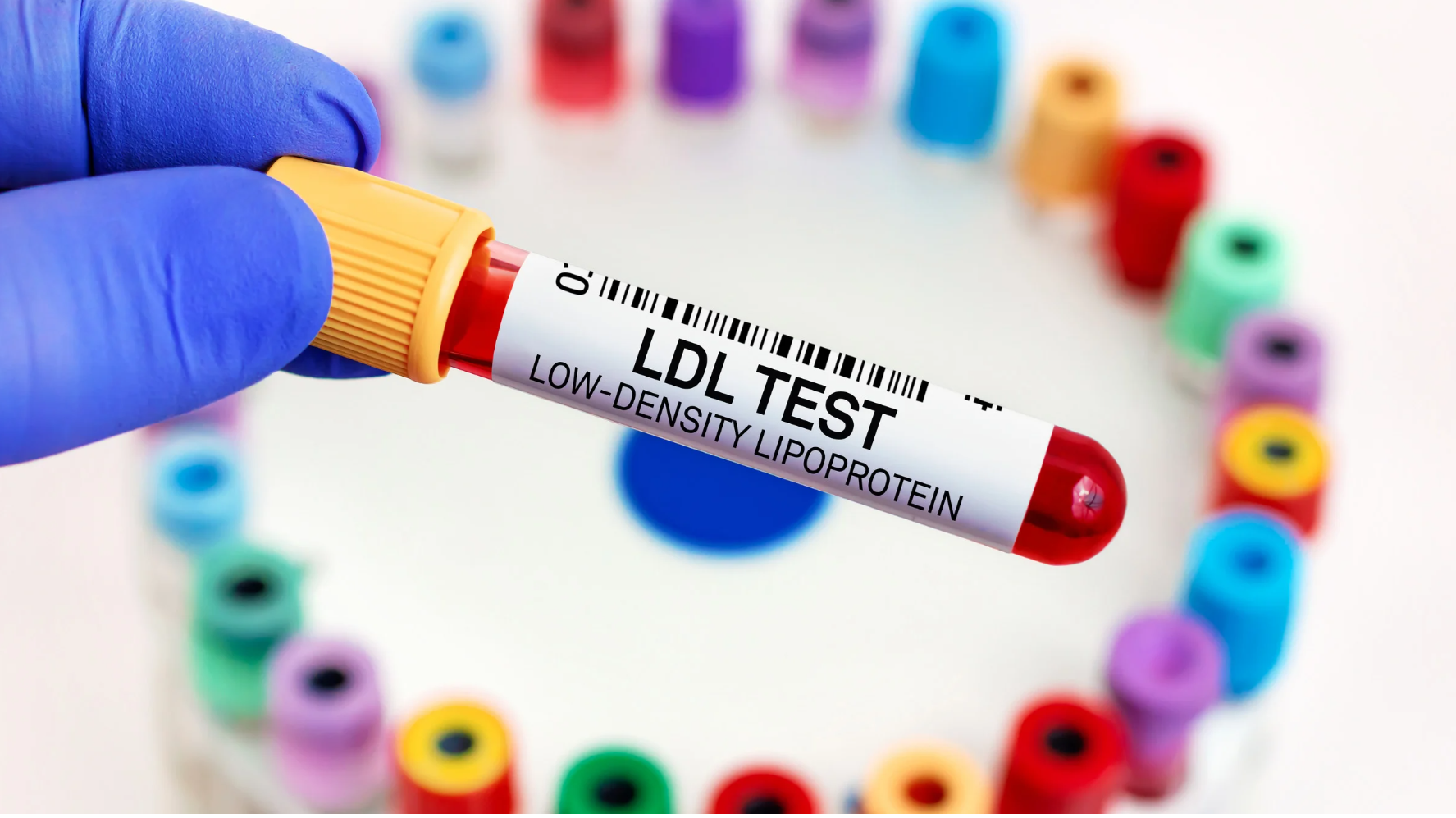
Topical testosterone still requires appropriate TRT monitoring. Treatment response cannot be judged from symptoms alone.
Blood testing helps establish whether treatment is producing appropriate testosterone exposure.
Changes in the symptoms that led to treatment remain an important part of clinical review.
Testosterone can increase red blood cell production, so haematological monitoring remains relevant.
PSA and prostate-related assessment may form part of monitoring where clinically appropriate.
Testosterone can aromatise into oestradiol, so E2 may be relevant in selected clinical circumstances.
Blood results, symptoms, tolerability and adherence should be considered together rather than independently.
Topical therapy avoids injections entirely, which may appeal to people who dislike needles or self-injection.
Treatment can become part of a regular morning or daily medication routine.
Gel does not require syringes, needles or management of used sharps.
Testosterone is delivered through the skin without creating an injection site.
Testosterone gel is an established form of testosterone replacement and is particularly relevant within UK treatment pathways.
For people who absorb it adequately and can follow the application precautions, gel can provide a practical TRT option.
Unlike some injectable protocols, gel needs to be incorporated into a regular daily treatment routine.
Transdermal absorption can vary between individuals, making follow-up blood testing important.
Accidental exposure of another person is a consideration that does not exist in the same way with injected testosterone.
Topical medication can cause local skin irritation or other application-site problems in some users.
Showering, swimming and washing the application site may need to be timed around treatment according to the product instructions.
Gel delivers testosterone systemically, so wider effects associated with testosterone therapy still require appropriate monitoring.
Neither delivery method is universally better. They offer different practical advantages and disadvantages.
Testogel may appeal particularly to someone who wants a needle-free treatment, prefers daily medication over injections and is able to follow the application and transfer precautions consistently.
It may be less convenient for someone who dislikes daily application, has concerns about transfer to family members or does not achieve satisfactory testosterone exposure through transdermal absorption.
The most appropriate testosterone preparation depends on the individual rather than one route being inherently superior for every patient.
Testogel provides testosterone replacement without injections and is particularly relevant within UK and NHS testosterone treatment.
For the right patient, daily topical therapy can be straightforward and effective. For others, variable absorption, daily application or the need to prevent secondary testosterone transfer may make an injectable preparation more practical.
The objective is not to choose the treatment that appears most convenient in isolation. It is to use an appropriate testosterone preparation that produces a suitable clinical response and can be monitored safely over time.
Explore the wider UK treatment pathway, compare injectable and topical testosterone options and understand the monitoring involved once TRT begins.
Common questions about testosterone gel, Testogel, NHS TRT and topical testosterone treatment in the UK.
Testogel is a topical testosterone medicine used for testosterone replacement therapy. Testosterone is applied to the skin in gel form and absorbed into the circulation.
Yes. Testosterone gels are established testosterone replacement preparations in the UK and may be prescribed through NHS or private treatment pathways where clinically appropriate.
Testosterone gel can be prescribed through NHS testosterone treatment where a patient meets the relevant clinical criteria and topical treatment is considered appropriate.
Follow-up blood testing can help establish whether sufficient testosterone exposure is being achieved. Where topical treatment is unsuitable or ineffective, a clinician may consider alternative testosterone preparations.
Neither route is universally better. Gel avoids injections but requires regular topical application and transfer precautions. Injectable testosterone has different practical and pharmacokinetic characteristics.
Testosterone gel can potentially transfer through direct skin contact if medication remains on the application area. Users should follow the hand-washing, drying, covering and contact precautions supplied with the medication.
Accidental exposure of children to topical testosterone should be prevented. Application and contact precautions are particularly important where children may come into contact with treated skin.
Yes. Testosterone replacement generally requires ongoing clinical and laboratory monitoring. Blood testing can help assess testosterone exposure and other relevant markers during treatment.
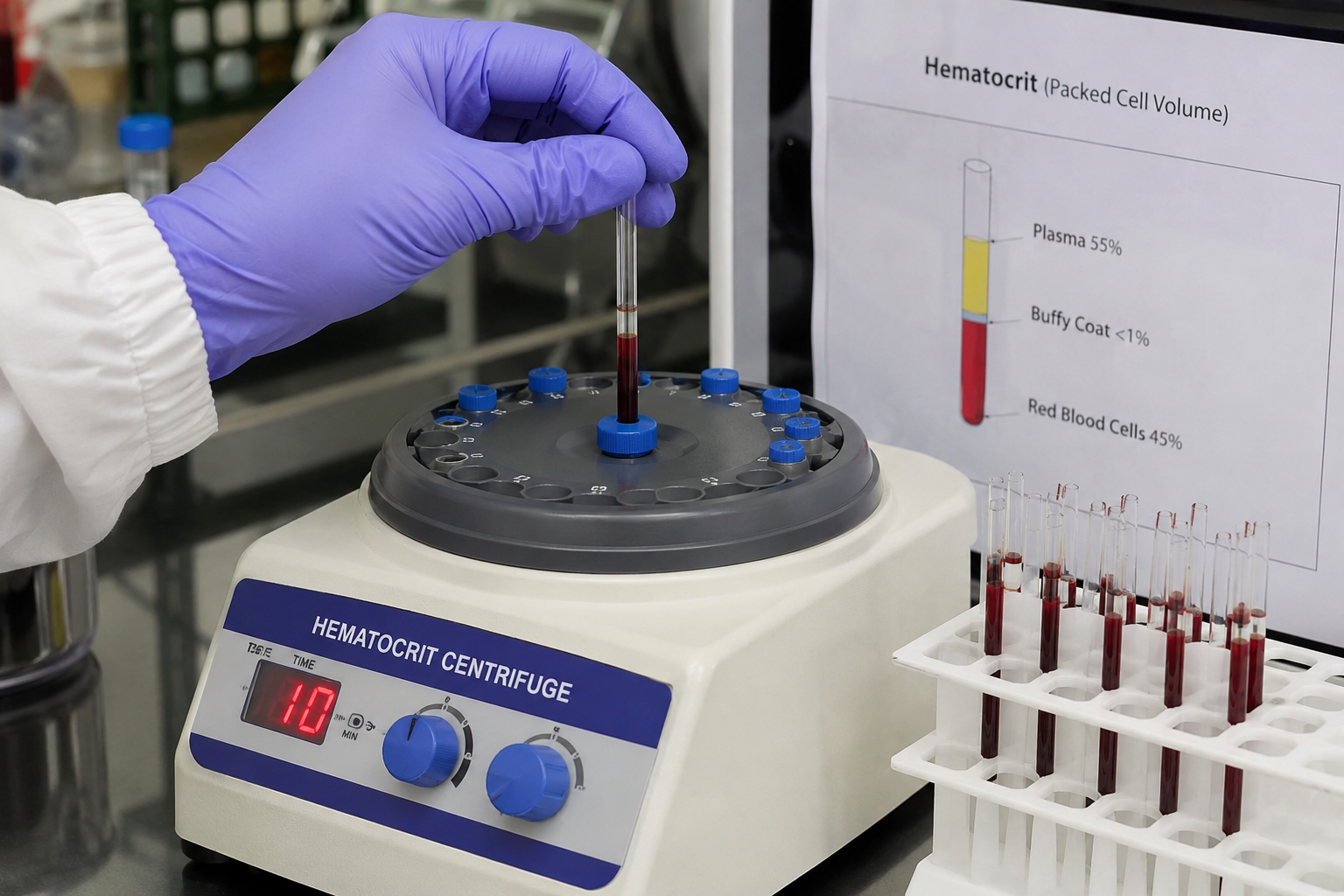
Testosterone therapy can stimulate red blood cell production. Haematocrit therefore remains an important monitoring marker even when testosterone is delivered through the skin rather than by injection.
Testosterone can be converted into oestradiol through aromatase, so increasing testosterone exposure may also increase oestradiol in some men.
This guide is provided for general educational purposes and does not replace personalised medical advice, diagnosis or treatment. Testogel and other testosterone preparations are prescription medicines. Testosterone therapy should be prescribed and monitored by an appropriately qualified healthcare professional.