TRT UK GUIDE

TRT in the UK: NHS vs Private Testosterone Replacement Therapy

If you are researching TRT in the UK, one of the first decisions is whether to pursue Testosterone Replacement Therapy through the NHS or through a private TRT clinic.

Both routes can provide legitimate medical treatment, but the patient experience can differ considerably. Waiting times, qualifying thresholds, blood testing, available testosterone preparations, fertility management, prescribing flexibility and ongoing monitoring may all differ between NHS and private care.

For many men, the question is therefore not simply whether TRT is available in the UK. It is how testosterone deficiency is assessed, which treatment options are realistically available and how much individualisation is possible once treatment begins.

This guide explains the NHS and private TRT pathways, commonly used testosterone medications including Testogel, Sustanon and Nebido, testosterone thresholds, fertility considerations and the differences patients may encounter during long-term treatment.

STARTING POINT

How Is TRT Accessed in the UK?

Testosterone is a prescription medicine in the UK. Treatment should therefore follow appropriate clinical assessment rather than simply purchasing testosterone independently because symptoms appear compatible with low testosterone.

The NHS pathway normally begins through primary care. A GP may arrange morning testosterone testing and investigate other potential explanations for symptoms before considering specialist referral.

Private TRT clinics usually provide a more direct pathway. Blood testing, symptoms, medical history, hormone markers and treatment suitability can often be assessed within the same specialist pathway.

In either setting, symptoms matter. Fatigue, reduced libido, erectile difficulties, low mood, reduced motivation and changes in body composition are not specific to testosterone deficiency and should not be used alone to diagnose hypogonadism.

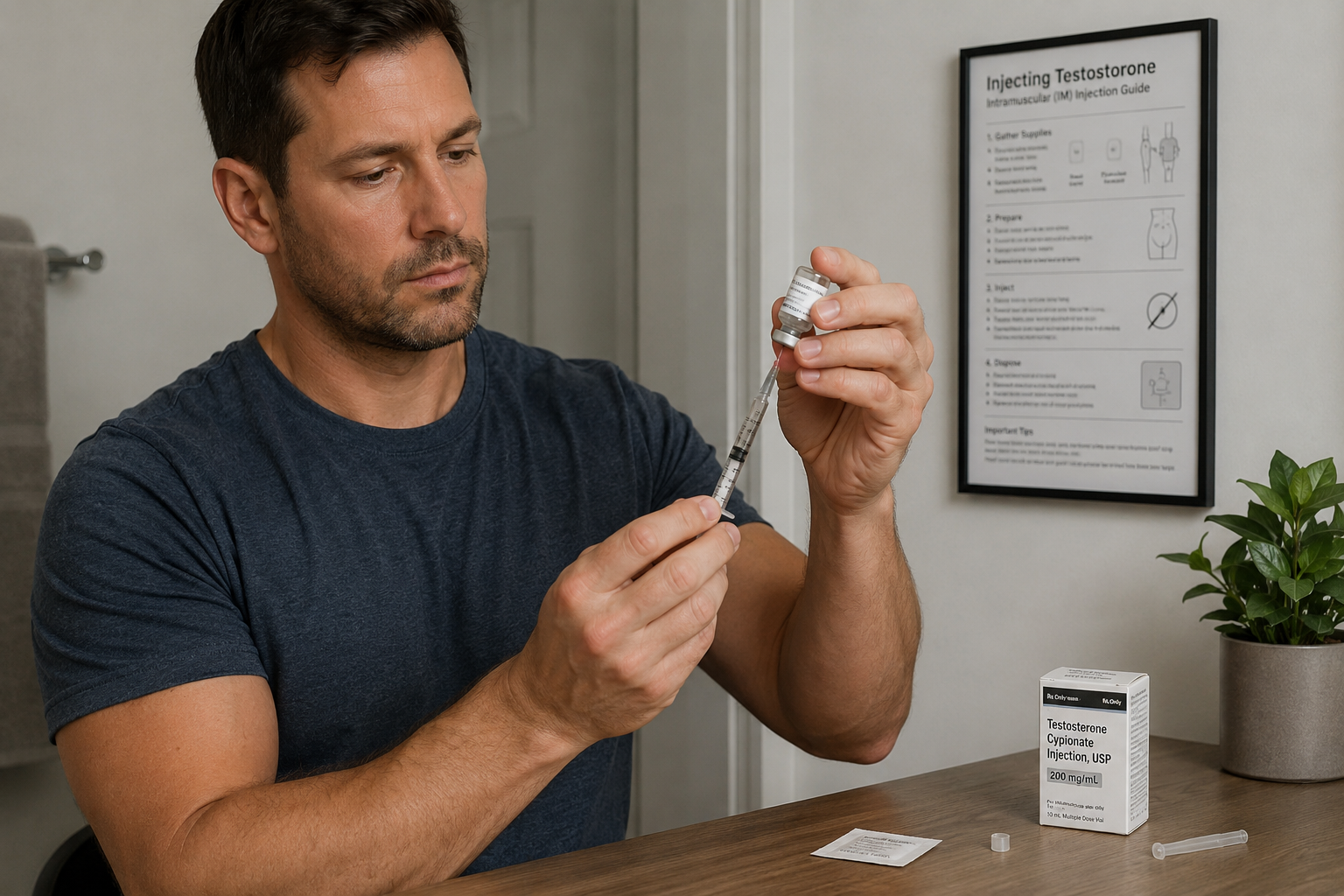
TRT UK consultation discussing testosterone replacement therapy
DIAGNOSIS & ELIGIBILITY

Testosterone Thresholds for TRT in the UK

One of the most important differences between NHS and private TRT pathways is how testosterone results are interpreted alongside symptoms.

NHS PATHWAY Around 8 nmol/L

Total Testosterone

In real-world NHS practice, men with repeat Total Testosterone results above approximately 8 nmol/L frequently struggle to progress towards TRT, particularly where there is no clearly established pathological cause.

Exact referral and treatment criteria vary between NHS trusts, specialists and local pathways, so this should not be interpreted as a universal national cutoff.

PRIVATE TRT Up to ~15 nmol/L

Total Testosterone

Private UK TRT clinics may consider symptomatic men with Total Testosterone considerably above the levels typically treated through NHS pathways.

A figure around 15 nmol/L is commonly encountered as an upper boundary for further clinical consideration rather than an automatic threshold for treatment.

WIDER HORMONE CONTEXT Free T Matters

Free Testosterone

Free Testosterone can become particularly relevant where Total Testosterone does not appear severely reduced but symptoms remain convincing.

Many private assessments pay particular attention to Free Testosterone below approximately 0.30 nmol/L, while some clinical pathways may exercise discretion at somewhat higher values, including around 0.35 nmol/L, depending on symptoms and the wider hormonal picture.

Important:

These figures describe how UK pathways may operate in practice. They are not standalone diagnostic rules. Testosterone results should be considered alongside symptoms, repeat testing, SHBG, Free Testosterone and the wider clinical context.

NHS TRT

How Does the NHS TRT Route Usually Work?

NHS care can provide appropriate testosterone replacement for men with confirmed hypogonadism, but the pathway is commonly more conservative and may take considerably longer than private assessment.

01

GP Appointment

Symptoms are discussed and alternative explanations may be considered.

02

Morning Testosterone Test

Testosterone is normally assessed using appropriately timed blood testing.

03

Repeat Testing

An abnormal or borderline result may need confirmation before a diagnosis is considered.

04

Specialist Referral

Men meeting local criteria may be referred to endocrinology or another appropriate specialist service.

05

Treatment Decision

Testosterone replacement may be offered where hypogonadism has been appropriately established.

06

Ongoing Monitoring

Testosterone response, blood markers and treatment safety require follow-up after treatment begins.

THE PRACTICAL DIFFERENCE

Why Can the NHS TRT Route Feel Restrictive?

The most common difficulty occurs when symptoms and laboratory results do not fit neatly into a clearly severe biochemical deficiency.

A man may experience reduced libido, fatigue, poorer erections, reduced motivation and other compatible symptoms while his Total Testosterone remains above the level at which his local NHS service is prepared to investigate or treat further.

SHBG can complicate this further because Total Testosterone does not always reflect the amount of testosterone available to tissues. This is one reason Free Testosterone can provide useful additional context.

NHS care also varies geographically. Referral criteria, preferred testosterone preparations and shared-care arrangements can differ between local formularies and specialist services.

NHS TREATMENT OPTIONS

Which Testosterone Treatments Are Used by the NHS?

Local NHS formularies differ, but testosterone gels and injectable preparations such as Sustanon and Nebido are commonly encountered in male hypogonadism treatment.

TRANSDERMAL TESTOSTERONE

Testogel & Testosterone Gels

Testosterone gel is commonly used within NHS testosterone replacement pathways. Depending on local prescribing policy, products may include Testogel, Testavan or Tostran.

Gel is applied to the skin every day and avoids injections, although individual absorption can vary and accidental transfer to another person needs to be considered.

INJECTABLE TESTOSTERONE

Sustanon 250

Sustanon is a mixture of four testosterone esters and is an established injectable option in UK medicine.

NHS administration schedules may use relatively widely spaced intramuscular injections. Private TRT clinics may instead use smaller amounts more frequently where clinically appropriate.

LONG-ACTING INJECTION

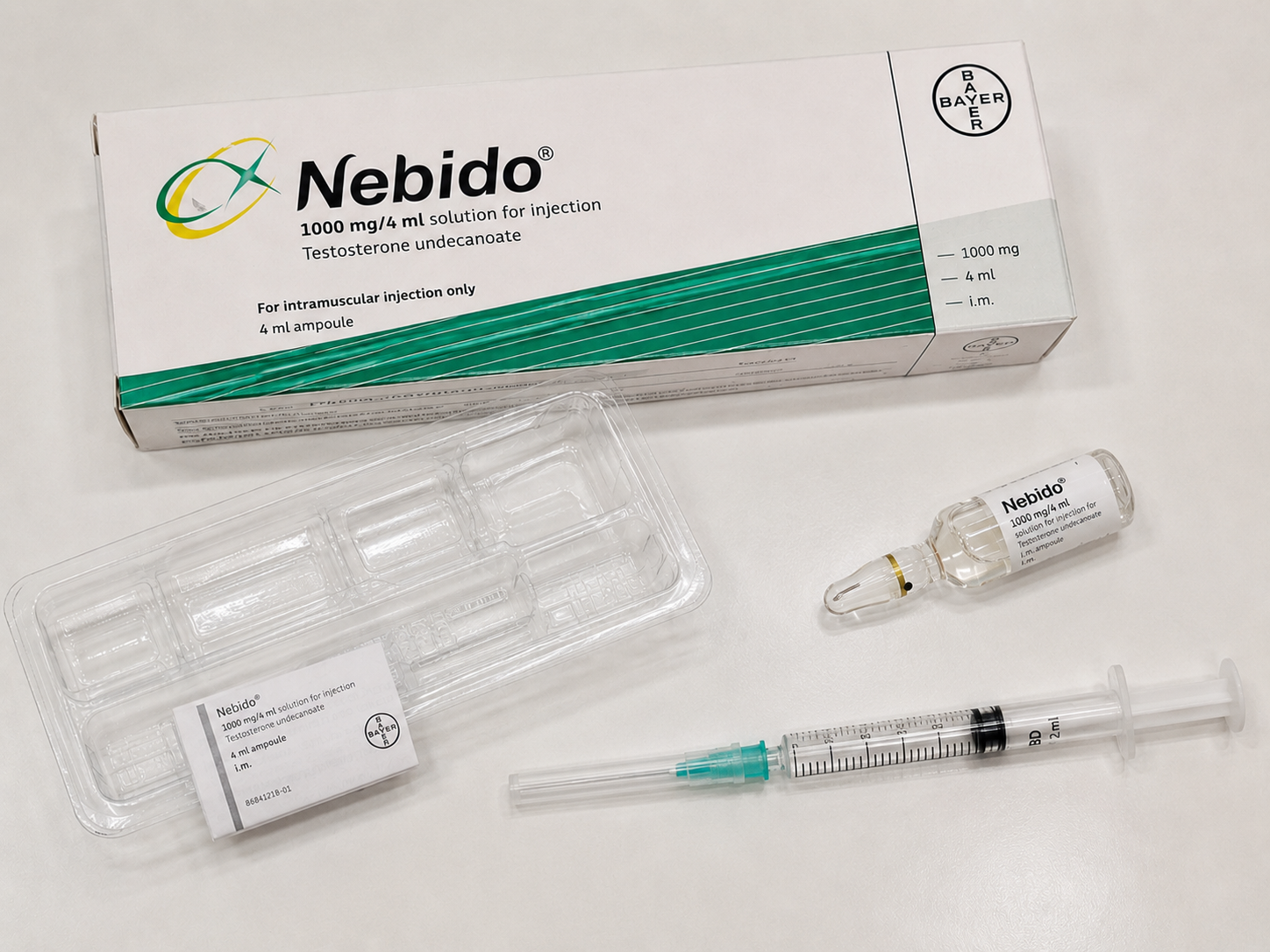
Nebido

Nebido contains testosterone undecanoate and is designed to provide prolonged testosterone exposure from a deep intramuscular injection.

Its much longer duration allows considerably longer intervals between injections than shorter-acting testosterone preparations.

INJECTABLE TESTOSTERONE

Testosterone Enanthate

Testosterone enanthate is another injectable testosterone preparation available within UK medicine and appears on some NHS formularies.

It is also widely discussed in private TRT because its pharmacokinetic profile allows dosing frequency to be tailored to the individual treatment plan.

LOCAL VARIATION MATTERS

There Is No Single NHS TRT Formulary for Every Patient

The testosterone preparation offered through the NHS can depend on local formulary decisions, specialist preference, clinical response and practical considerations. A medication available in one area may not necessarily be the preferred first-line option in another.

NHS INJECTABLE TRT

Sustanon vs Nebido: What Is the Difference?

Sustanon and Nebido both deliver testosterone by intramuscular injection, but they have very different pharmacokinetic profiles and administration schedules.

SUSTANON

Shorter Injection Intervals

  • Contains four testosterone esters.
  • Usually administered more frequently than Nebido.
  • Can produce larger peak-to-trough variation when injections are widely spaced.
  • Private protocols may divide testosterone into smaller, more frequent injections.
NEBIDO

Very Long-Acting Testosterone

  • Contains testosterone undecanoate.
  • Designed for long intervals between injections.
  • Usually given as a deep intramuscular injection.
  • Dose interval may be reviewed using symptoms and appropriately timed testosterone measurements.
PRIVATE TRT UK

Why Do Men Choose Private TRT Clinics?

Private TRT is often chosen by men who want faster assessment, broader hormone testing and more flexibility when discussing how testosterone replacement is delivered.

This can be particularly relevant for men whose testosterone is above the level generally progressed through NHS pathways but who continue to experience significant symptoms and have other biochemical evidence that may support further investigation.

Private assessment is also more likely to explore Total Testosterone, Free Testosterone and SHBG together rather than interpreting Total Testosterone completely in isolation.

Depending on the clinic, treatment discussions may include testosterone cypionate, enanthate, Sustanon, gels, compounded creams and fertility-related treatment strategies.

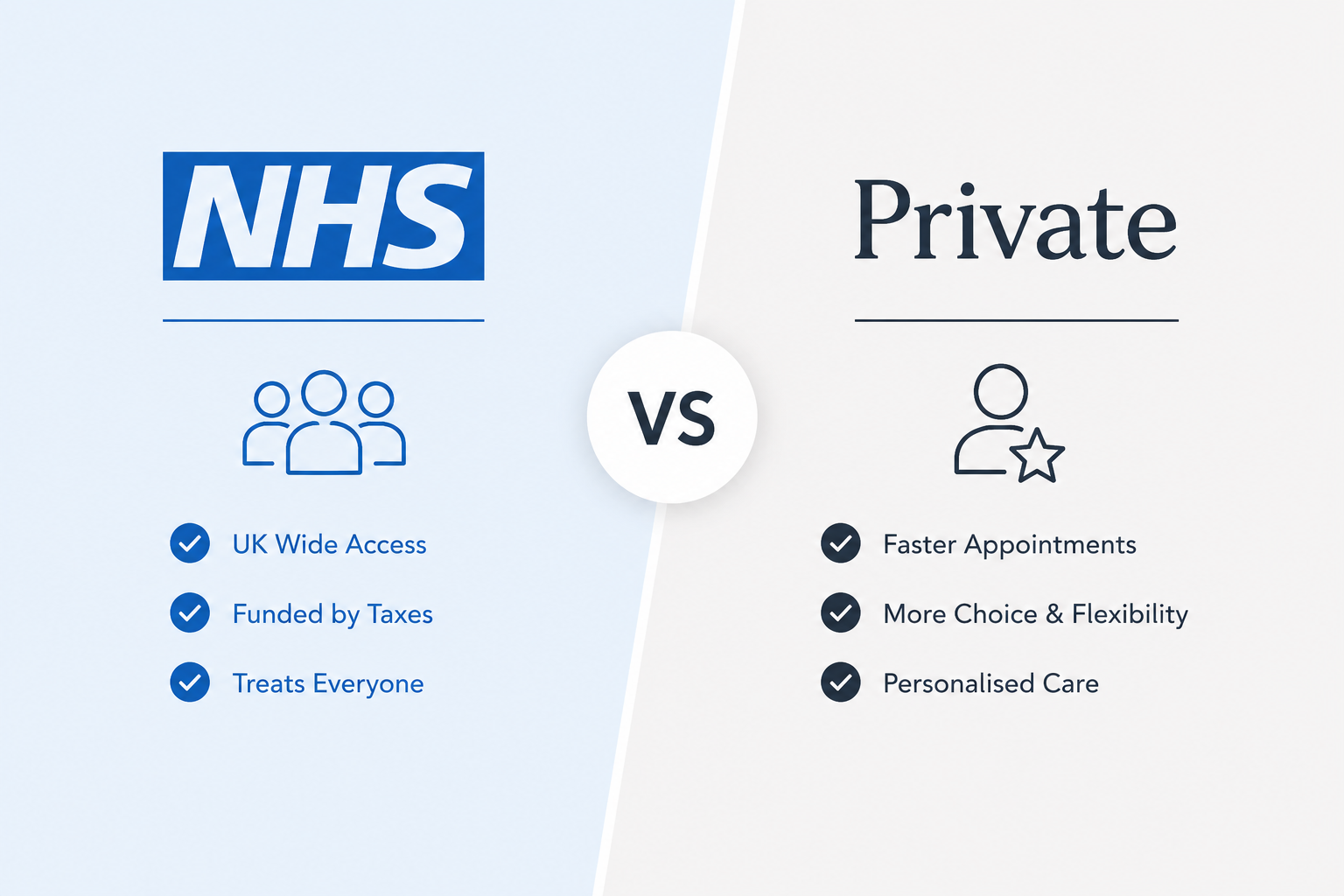
NHS versus private TRT treatment in the UK
FAMILY PLANNING

TRT, Fertility & hCG: Another Important Difference

Fertility should be considered before testosterone treatment begins, particularly in younger men who may want biological children in the future.

IMPORTANT

Testosterone Replacement and Fertility Are Not the Same Treatment Goal

A man seeking symptom improvement from hypogonadism and a man actively trying to conceive may require different clinical strategies. Testosterone itself can suppress spermatogenesis, which is why future fertility should form part of the initial consultation.

OESTRADIOL MANAGEMENT

What About Aromatase Inhibitors on TRT?

Aromatase inhibitors such as anastrozole, exemestane and letrozole are not routine components of standard NHS testosterone replacement therapy.

These medications reduce oestrogen synthesis by inhibiting aromatase. Although they may sometimes appear within specialist or private hormone care, a higher oestradiol result does not automatically mean pharmacological suppression is required.

Oestradiol performs important physiological functions in men. Excessive suppression may contribute to sexual symptoms, musculoskeletal problems and adverse effects on bone health.

Tamoxifen is also sometimes discussed in men's hormone medicine, particularly around breast symptoms, but it is a SERM rather than an aromatase inhibitor and acts through a different mechanism.

SIDE-BY-SIDE

NHS TRT vs Private TRT in the UK

Neither route can be reduced to a single advantage or disadvantage. What matters is whether the pathway provides appropriate diagnosis, treatment and monitoring for the individual patient.

NHS TRT
  • Cost
    Low direct treatment cost within NHS care.
  • Access
    Often requires GP assessment and specialist referral.
  • Thresholds
    Generally conservative, with men above approximately 8 nmol/L frequently finding it difficult to progress.
  • Treatment options
    Commonly includes testosterone gels, Sustanon and Nebido, depending on local formulary.
  • Fertility management
    hCG is not normally incorporated into routine NHS TRT.
  • Prescribing
    Usually follows established local pathways and formularies.
PRIVATE TRT
  • Cost
    Consultation, medication and blood-testing costs usually apply.
  • Access
    Specialist assessment can generally be arranged more quickly.
  • Thresholds
    Symptomatic men may be assessed at higher Total Testosterone and Free Testosterone levels.
  • Treatment options
    May include cypionate, enanthate, Sustanon, gels, creams and other individually selected approaches.
  • Fertility management
    hCG and fertility-preserving strategies may be discussed where appropriate.
  • Prescribing
    Greater flexibility may be possible within appropriate clinical and prescribing standards.
LONG-TERM CARE

TRT Monitoring Matters Regardless of Which Route You Choose

Starting testosterone is only one part of TRT. Appropriate long-term treatment also requires monitoring of response, blood results and potential adverse effects.

01

Testosterone

Results should be interpreted according to the treatment used and timing of the blood sample.

02

Haematocrit

Testosterone can increase red blood cell production, making full blood count and haematocrit monitoring important.

03

PSA & Prostate Health

Age, symptoms, baseline risk and clinical circumstances determine how prostate health should be assessed.

04

Oestradiol

Oestradiol may provide additional context where clinically relevant symptoms or unexpected hormone results occur.

05

Blood Pressure

Cardiovascular risk factors and blood pressure remain part of sensible long-term health monitoring.

06

Symptoms & Treatment Response

Laboratory numbers should be considered alongside how the patient is actually responding to treatment.

COSTS & SUPPORT

How Much Does Private TRT Cost in the UK?

NHS treatment has an obvious financial advantage because most of the clinical pathway is funded through the health service.

Private TRT requires the patient to pay for some combination of consultations, blood testing, prescriptions, medication and ongoing clinical support.

The important comparison is therefore not simply NHS treatment versus a monthly private price. Private clinic models differ, and some include follow-up services within a subscription while others charge separately for medication, blood tests or consultations.

Men considering private treatment should therefore calculate the realistic annual cost rather than judging a clinic from the lowest advertised monthly figure.

CHOOSING A PATHWAY

The Best TRT Route Is the One That Provides Appropriate Care

Private treatment is not automatically better simply because it is private, and NHS treatment is not automatically inadequate simply because its pathways are more conservative.

What matters is whether testosterone deficiency has been properly assessed, other causes of symptoms have been considered, the prescribed treatment is appropriate and ongoing monitoring is adequate.

A responsible private clinic should not prescribe testosterone simply because somebody is willing to pay for it. Equally, a symptomatic patient deserves a meaningful assessment rather than having the clinical conversation end with a single laboratory number.

FINAL THOUGHTS

NHS and Private TRT Are Two Different Routes to the Same Clinical Goal

TRT in the UK can be accessed through either NHS or private medical care, but the pathways often look very different in practice.

NHS testosterone treatment provides a low-cost route for men who meet the relevant diagnostic and local referral criteria. Private TRT can provide faster assessment, broader investigation and greater treatment flexibility, particularly for men who sit outside the thresholds commonly progressed through NHS services.

Neither pathway changes the fundamental principle that TRT is a medical treatment. Symptoms, repeat testosterone testing, Free Testosterone, SHBG, fertility goals, medical history and long-term monitoring all matter.

The aim should not simply be to obtain testosterone. It should be to establish whether testosterone deficiency is genuinely present and, where treatment is appropriate, manage it safely over the long term.

QUESTIONS AND ANSWERS

TRT UK: NHS vs Private FAQs

Common questions about NHS TRT, private testosterone treatment, testosterone thresholds and TRT medications in the UK.

Can you get TRT on the NHS in the UK?

Yes. Testosterone replacement therapy is available through the NHS for appropriately diagnosed testosterone deficiency. Access usually involves symptoms, biochemical testing and, depending on the local pathway, specialist assessment.

What testosterone level qualifies for NHS TRT?

NHS pathways vary, but in real-world practice men with repeat Total Testosterone above approximately 8 nmol/L often find it difficult to progress towards treatment. This is not a universal national cutoff, and clinical circumstances and local referral criteria differ.

Can private TRT clinics treat testosterone above 8 nmol/L?

Potentially. Private TRT clinics may assess symptomatic men with Total Testosterone considerably above levels normally progressed through NHS pathways. Some clinics may consider men with Total Testosterone up to around 15 nmol/L where the wider clinical picture supports further assessment.

What Free Testosterone level may be considered low?

Interpretation depends on the laboratory method and clinical context. Within private UK hormone care, Free Testosterone below approximately 0.30 nmol/L may receive particular attention, while some clinicians may consider somewhat higher values where symptoms and other findings support further investigation.

Does the NHS prescribe Testogel?

Testosterone gels are widely used within NHS testosterone replacement pathways. Depending on the local formulary, products may include Testogel, Testavan or Tostran.

Does the NHS prescribe Sustanon?

Sustanon appears on multiple NHS formularies and can be used as an injectable testosterone preparation. The administration schedule and whether it is preferred locally depend on the relevant NHS service.

Does the NHS prescribe Nebido?

Yes, Nebido is used within NHS testosterone replacement pathways. It contains long-acting testosterone undecanoate and allows much longer intervals between injections than shorter-acting preparations.

Does the NHS prescribe hCG with TRT?

hCG is not normally part of routine NHS testosterone replacement for male hypogonadism. Fertility treatment and reproductive endocrinology follow different clinical pathways, so men who want to preserve fertility should discuss this before beginning testosterone.

Does the NHS prescribe aromatase inhibitors with TRT?

Aromatase inhibitors are not standard routine additions to NHS testosterone replacement therapy. They have other recognised medical uses and may be considered in specialist circumstances, but an elevated oestradiol result alone does not automatically mean an AI is required.

Is private TRT legal in the UK?

Yes. Testosterone can be prescribed privately by an appropriately qualified clinician following proper medical assessment. Private treatment does not remove the need for diagnosis, prescribing standards or ongoing clinical monitoring.

Is private TRT better than NHS TRT?

Not automatically. Private TRT may provide faster access, broader investigation and greater treatment flexibility, while NHS care offers treatment at much lower direct cost. The important issue is whether the patient receives appropriate diagnosis, treatment and long-term monitoring.

Which TRT treatment is best in the UK?

There is no single testosterone preparation that is best for every patient. Gels, Sustanon, Nebido, testosterone enanthate and other preparations have different advantages and limitations. Treatment should be selected according to the individual's diagnosis, response, preferences and clinical circumstances.

This guide is provided for general educational purposes and does not replace personalised medical advice, diagnosis or treatment. NHS referral criteria, formularies and prescribing pathways vary between regions and may change over time. Testosterone, hCG and other hormone-modifying medicines should only be used under appropriate clinical supervision.