Join our community
Testosterone Replacement Therapy (TRT) is used in the UK to treat men who have been diagnosed with low testosterone. When testosterone levels are deficient, symptoms may affect energy, mood, sexual health, body composition and overall wellbeing.
In the UK, assessment for TRT usually starts with symptoms, blood tests and a medical review to establish whether testosterone deficiency is present and whether treatment is appropriate.
This comprehensive TRT UK guide explains how the process works, including symptoms of low testosterone, blood testing and diagnosis, treatment options, access through the NHS or private UK TRT clinics, fertility considerations, potential side effects and the monitoring required once treatment begins.
Testosterone Replacement Therapy increases testosterone levels in men whose bodies are not producing sufficient amounts of the hormone naturally.
The aim of treatment is to restore testosterone towards an appropriate physiological range and improve symptoms associated with testosterone deficiency.
Depending on the patient and clinical recommendation, testosterone may be prescribed in several formats, including injections and topical preparations.
Testosterone plays an important role in male health and contributes to functions including:
When testosterone levels are significantly deficient, changes in these areas may contribute to symptoms.
Explore our TRT guides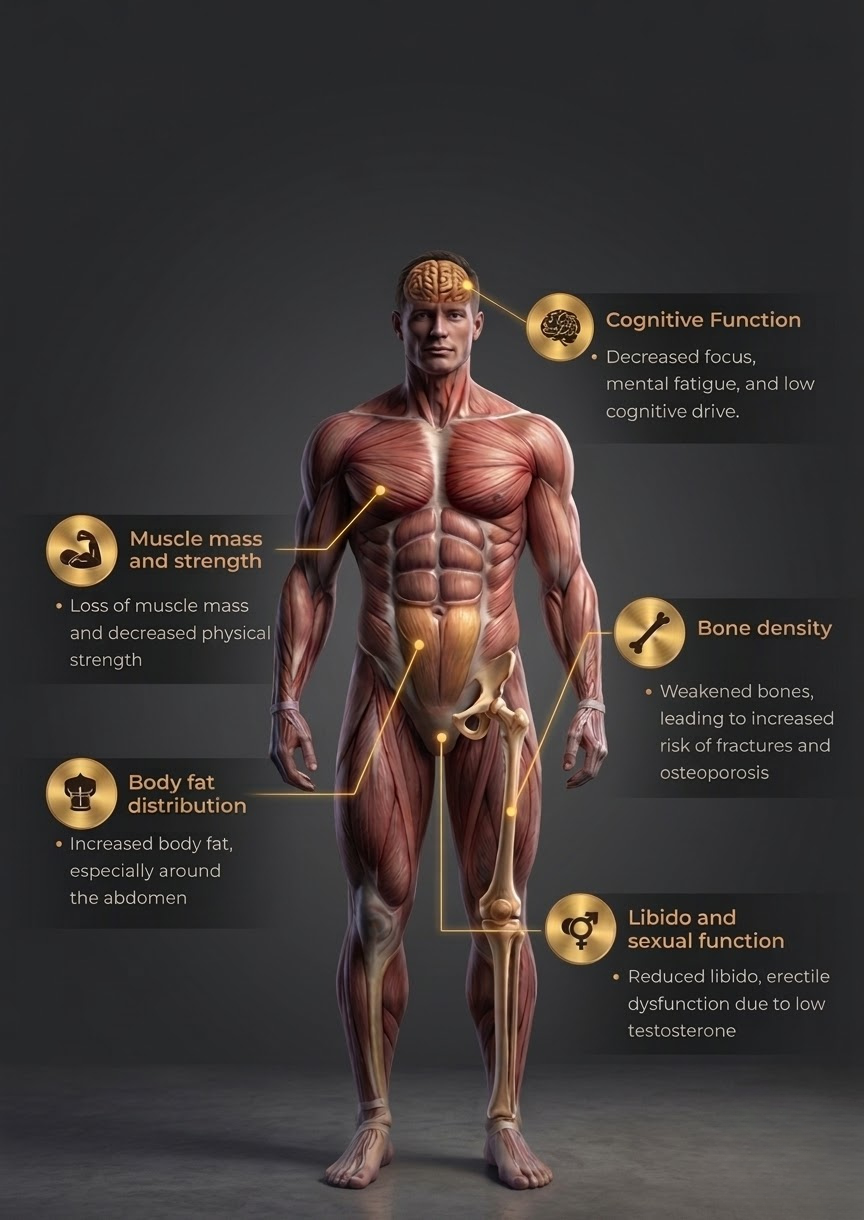
Testosterone levels generally change with age, although the rate and clinical significance of that change varies considerably between individuals.
Ageing alone does not automatically mean that someone has testosterone deficiency. Diagnosis depends on symptoms, appropriate blood testing and clinical assessment rather than age by itself.
Low testosterone can also occur in younger men and may have several possible causes.
Read more about testosterone decline in men
Testosterone affects several biological systems, which means testosterone deficiency can be associated with a wide range of symptoms. These symptoms can develop gradually and may overlap with ageing, stress, sleep problems or other medical conditions.
Symptoms that may be associated with low testosterone include:
These symptoms are not specific to testosterone deficiency, which is why blood testing and appropriate medical assessment are required before diagnosis.
Read more about signs of low testosteroneTestosterone is a prescription medicine and treatment should begin only after appropriate assessment by a suitably qualified healthcare professional.
There are several reasons why diagnosis matters.
Low testosterone may have several possible causes, including problems involving the testes, pituitary or hypothalamic system, other medical conditions, medications and wider health factors.
Testosterone is regulated in the UK and legitimate medical TRT requires appropriate prescribing and clinical oversight.
Treatment should be undertaken with medical supervision so that suitability, dosing, response and relevant safety markers can be reviewed appropriately.
Even when testosterone is low, treatment may not always be the most appropriate next step. Medical history, symptoms, fertility plans, medications and other health considerations may influence treatment decisions.
Fatigue, erectile dysfunction, poor concentration, reduced motivation and changes in body composition can also occur because of sleep disorders, thyroid problems, psychological conditions, medication effects, obesity and other health issues.
Blood testing is a central part of assessing possible testosterone deficiency.
Testosterone varies during the day, which is why diagnostic testing is commonly performed in the morning and may need to be repeated before a diagnosis is made.
Testing may be arranged through a GP, specialist service or private provider depending on the pathway being used.
Home finger-prick testing can sometimes provide useful preliminary information, but venous laboratory testing is generally more appropriate when a formal clinical diagnosis is being considered.
The exact blood panel depends on individual circumstances, but assessment may include:
These tests can help build a broader picture of hormone status and general health before treatment is considered.
Read our TRT blood testing guidePrivate TRT clinics provide another route for men seeking assessment for testosterone deficiency in the UK.
A responsible private assessment should involve an appropriate history, symptom review, confirmatory blood testing and consultation with a suitably qualified clinician before testosterone is prescribed.
Testosterone results should not be interpreted in isolation. Age, symptoms, SHBG, free testosterone, medical history, possible causes of deficiency and relevant contraindications can all influence the clinical decision.
Private care involves ongoing costs. Fees vary between providers and may include consultations, blood tests, prescriptions, medication and follow-up reviews.
Testosterone Replacement Therapy can be prescribed through the NHS when a patient meets appropriate clinical criteria.
For many men, the first step is discussing symptoms with their GP. Blood testing may then be arranged to investigate testosterone and possible underlying causes.
Depending on the findings and local pathway, referral to endocrinology, urology or another relevant specialist service may be appropriate.
Access and waiting times can vary between NHS regions and services.
Cost is an important consideration when comparing NHS and private testosterone treatment.
Private TRT costs vary substantially depending on the provider, blood-testing schedule, consultation fees, prescription charges, medication used and the frequency of ongoing monitoring.
NHS treatment can involve significantly lower direct patient costs, although access depends on clinical eligibility and local pathways.
Read our complete guide to TRT costs in the UKIf testosterone deficiency is confirmed and treatment is considered appropriate, several testosterone formulations may be available.
Injectable testosterone is commonly used in TRT. Different testosterone preparations have different dosing intervals and pharmacokinetic profiles.
Examples used in the UK include products containing testosterone enanthate, cypionate or mixed esters such as Sustanon, depending on availability and prescribing circumstances.
Testosterone gels are another established treatment option and are applied to the skin according to the prescribed regimen.
Suitability depends on individual circumstances, treatment preference and clinical assessment.
Other medications or hormone-related treatment strategies may occasionally be considered in specific circumstances, but these are not interchangeable with standard testosterone replacement and require individual clinical assessment.
Regular monitoring is an important part of testosterone replacement therapy.
Follow-up blood testing and clinical review allow the clinician to assess treatment response and identify changes that may require further investigation or adjustment.
Monitoring may include:
The exact monitoring schedule and tests required should be determined by the clinician responsible for treatment.
Read more about TRT monitoringTestosterone replacement can produce benefits in appropriately selected men, but treatment can also cause adverse effects and physiological changes that require monitoring.
Testosterone can stimulate red blood cell production and increase haemoglobin and haematocrit. Significant changes require clinical assessment rather than simply being ignored or managed without investigating the cause.
Our blood donation on TRT guide explains this issue in more detail.
Testosterone can be converted to oestradiol, and hormone levels may change during treatment. Clinical decisions should be based on symptoms, blood results and individual circumstances rather than automatically attempting to suppress oestradiol.
External testosterone suppresses LH and FSH signalling and can substantially reduce sperm production. Fertility plans should be discussed before starting treatment.
Acne or increased skin oiliness can occur in some patients, and men genetically susceptible to androgenetic alopecia may also notice changes in hair loss.
Read our TRT and hair loss guide for more information.
Blood pressure and cardiovascular risk factors should be considered as part of wider TRT monitoring.
See our TRT and blood pressure guide .
Testosterone therapy may worsen sleep-disordered breathing in some susceptible men, particularly when obstructive sleep apnoea is already present.
Read our TRT and sleep apnoea guide .
Fertility is an important consideration for men thinking about testosterone replacement.
External testosterone suppresses the hypothalamic-pituitary-gonadal axis, reducing LH and FSH signalling and potentially causing a substantial reduction in sperm production.
Men who currently want children or may want children in the future should discuss this before starting TRT.
In some circumstances, clinicians may discuss fertility-preserving strategies or medications such as hCG. These decisions require individual medical assessment.
Read our TRT and fertility guideChoosing a provider is an important decision because TRT usually requires ongoing prescribing, monitoring and access to clinical support.
Look for transparency about who is responsible for clinical care, how diagnosis is made, which tests are required, how follow-up works and what is included in the cost of treatment.
Communication also matters. You should understand how to contact the clinic if you develop symptoms, have concerns about blood results or need your treatment reviewed.
A clinic should assess whether TRT is medically appropriate rather than treating testosterone solely as a lifestyle or performance product.
Cost is also worth considering over the long term. Our UK TRT cost guide explains the different expenses that may be involved.
Testosterone Replacement Therapy can improve symptoms in appropriately selected men with confirmed testosterone deficiency. However, treatment should begin with appropriate testing and professional medical assessment.
In the UK, both NHS services and private clinics provide pathways for diagnosis and treatment. Understanding how the process works — from recognising symptoms to blood testing, treatment selection, fertility considerations and ongoing monitoring — can help patients make more informed decisions.
If you are experiencing symptoms associated with low testosterone, an appropriate first step is discussing them with a healthcare professional and arranging suitable blood testing.

Explore our UK-focused TRT guides covering diagnosis, bloodwork, medication, monitoring, fertility, side effects, treatment expectations and practical testosterone tools.

Explore the physical, sexual and psychological symptoms commonly associated with testosterone deficiency.
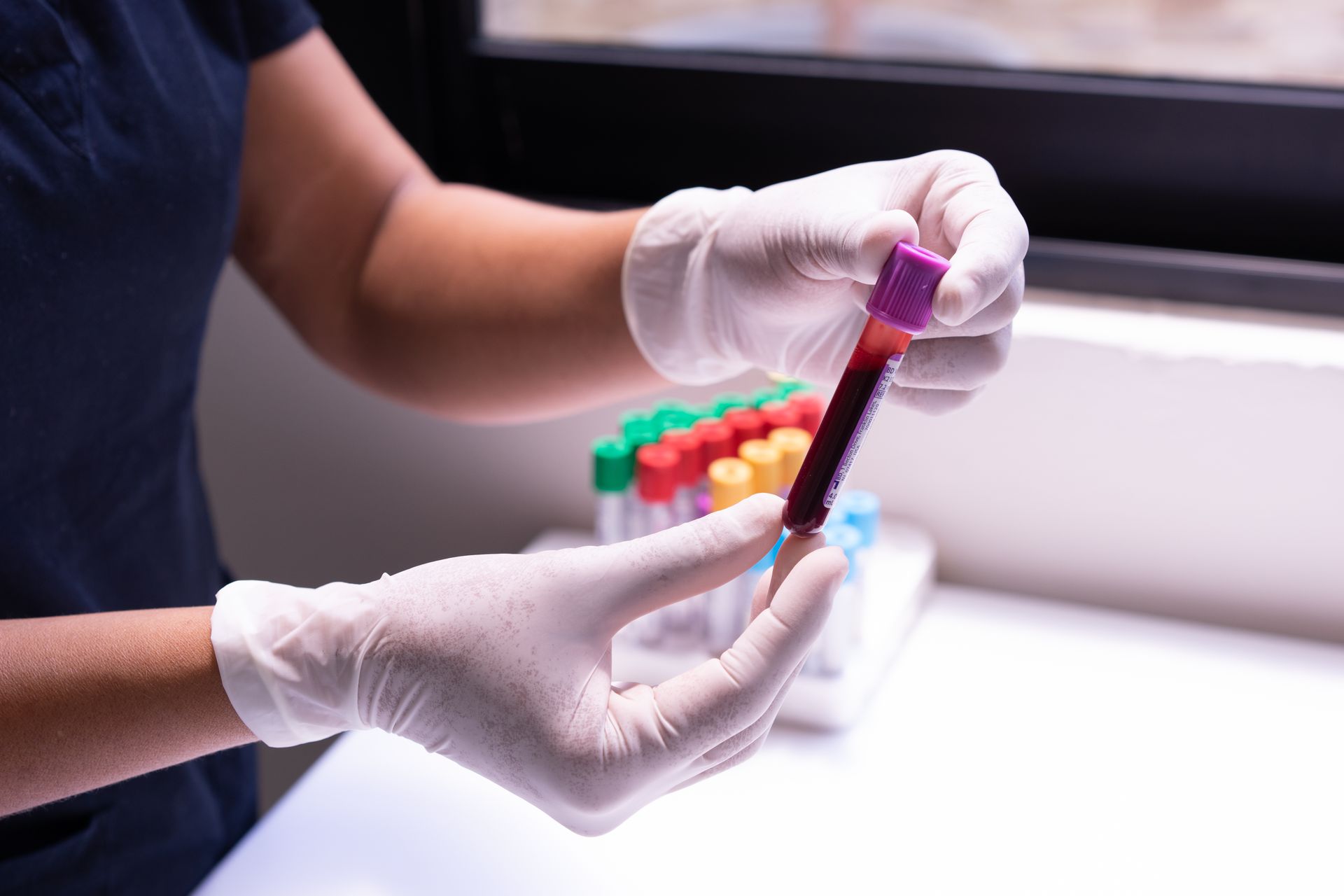
Learn which blood tests may be used when investigating low testosterone and monitoring TRT.
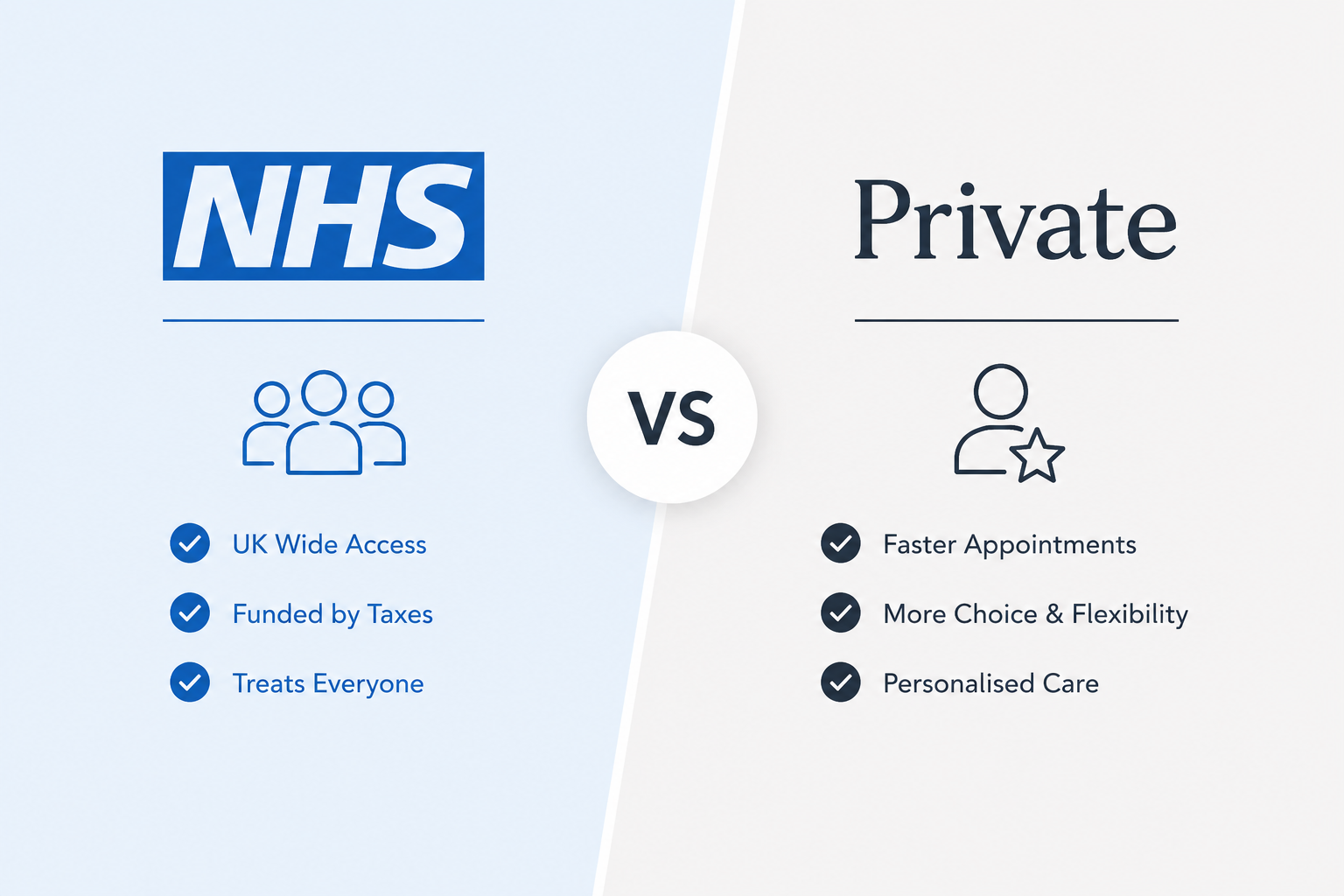
Compare the NHS and private routes to testosterone assessment, prescribing and ongoing treatment.

Understand the potential cost of consultations, bloodwork, prescriptions, medication and monitoring.
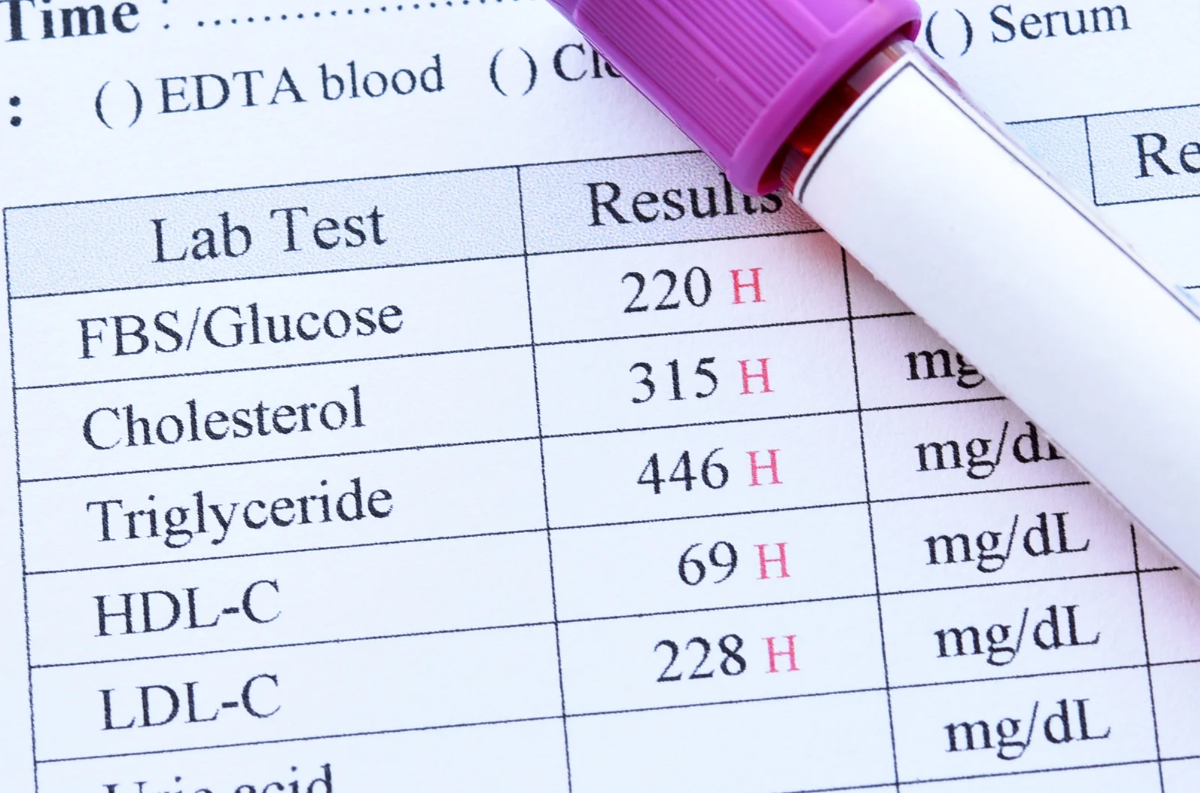
Understand why follow-up blood tests and clinical reviews remain important after treatment begins.
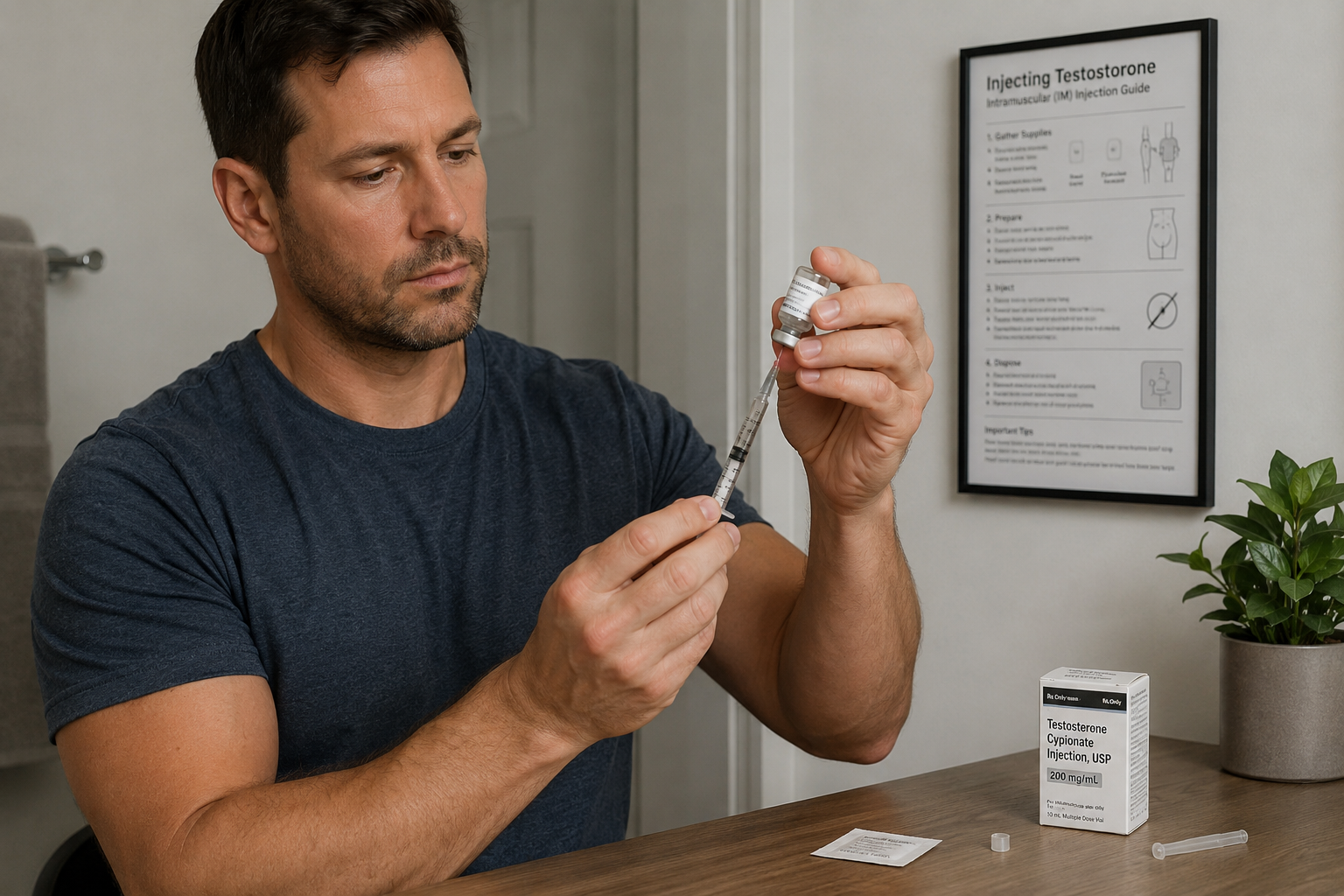
Explore common testosterone preparations and treatment formats available through UK pathways.

Learn about blood pressure monitoring and wider cardiovascular considerations during testosterone treatment.
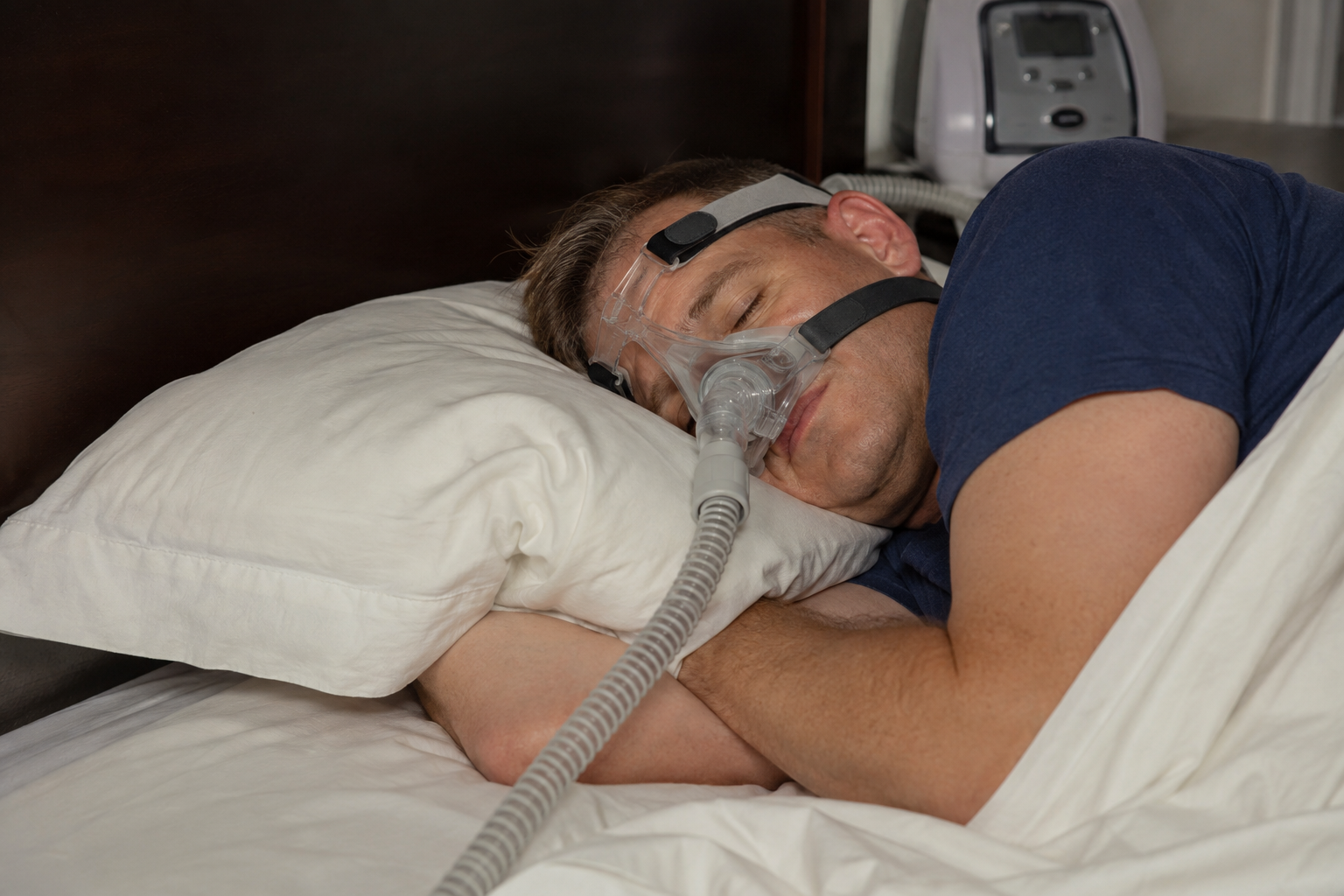
Understand the relationship between testosterone treatment, sleep-disordered breathing and monitoring.

Explore testosterone, DHT and genetic susceptibility to androgen-sensitive hair loss.

Understand what testosterone replacement may realistically do for lean mass, strength and gym performance.

Learn how external testosterone can affect sperm production and fertility planning.

Understand why medical testosterone replacement and non-medical anabolic steroid use are not the same thing.

Learn about Sustanon and its place in testosterone replacement therapy.
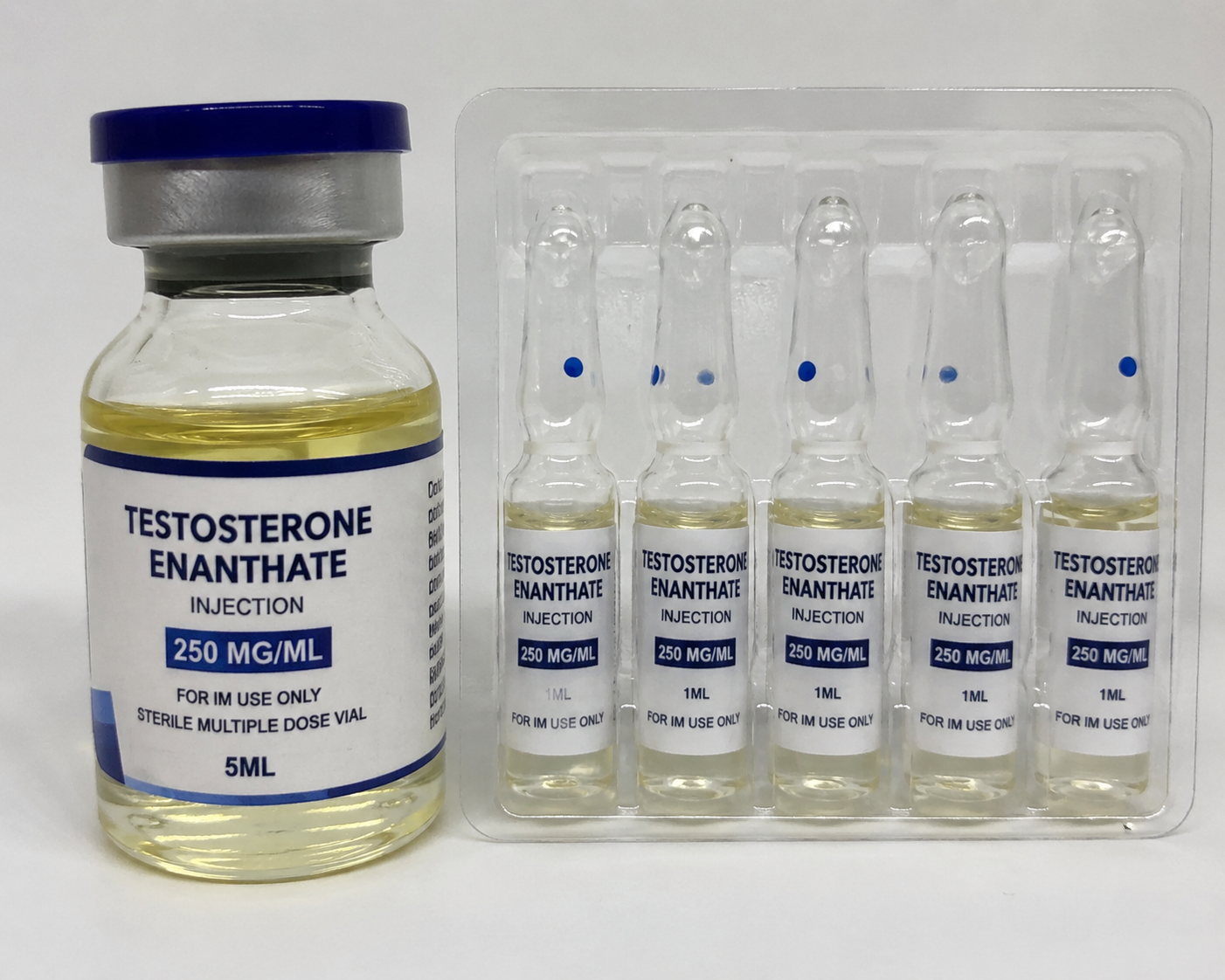
Explore testosterone enanthate as a prescribed TRT medication.
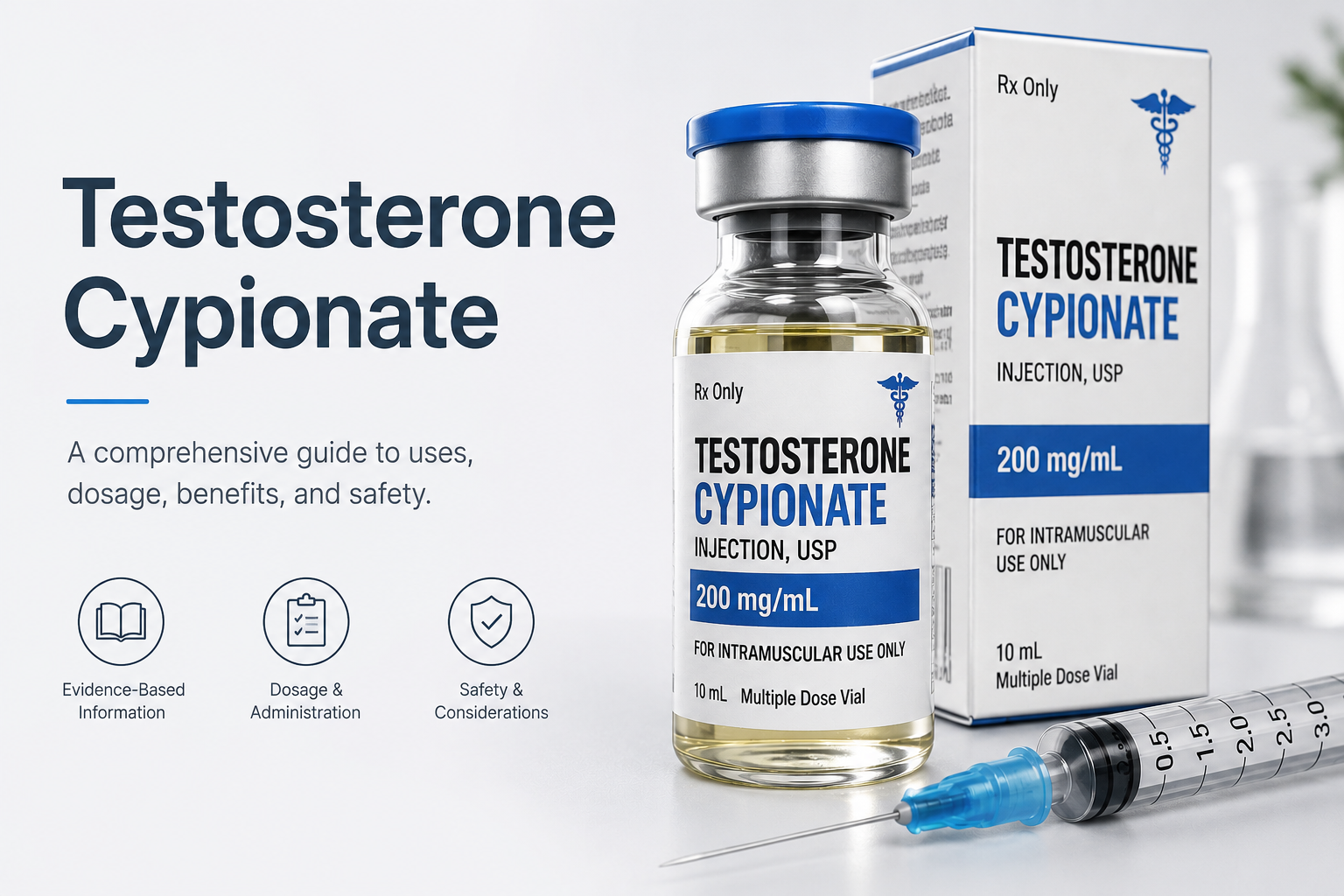
Learn more about testosterone cypionate and its use in UK TRT.
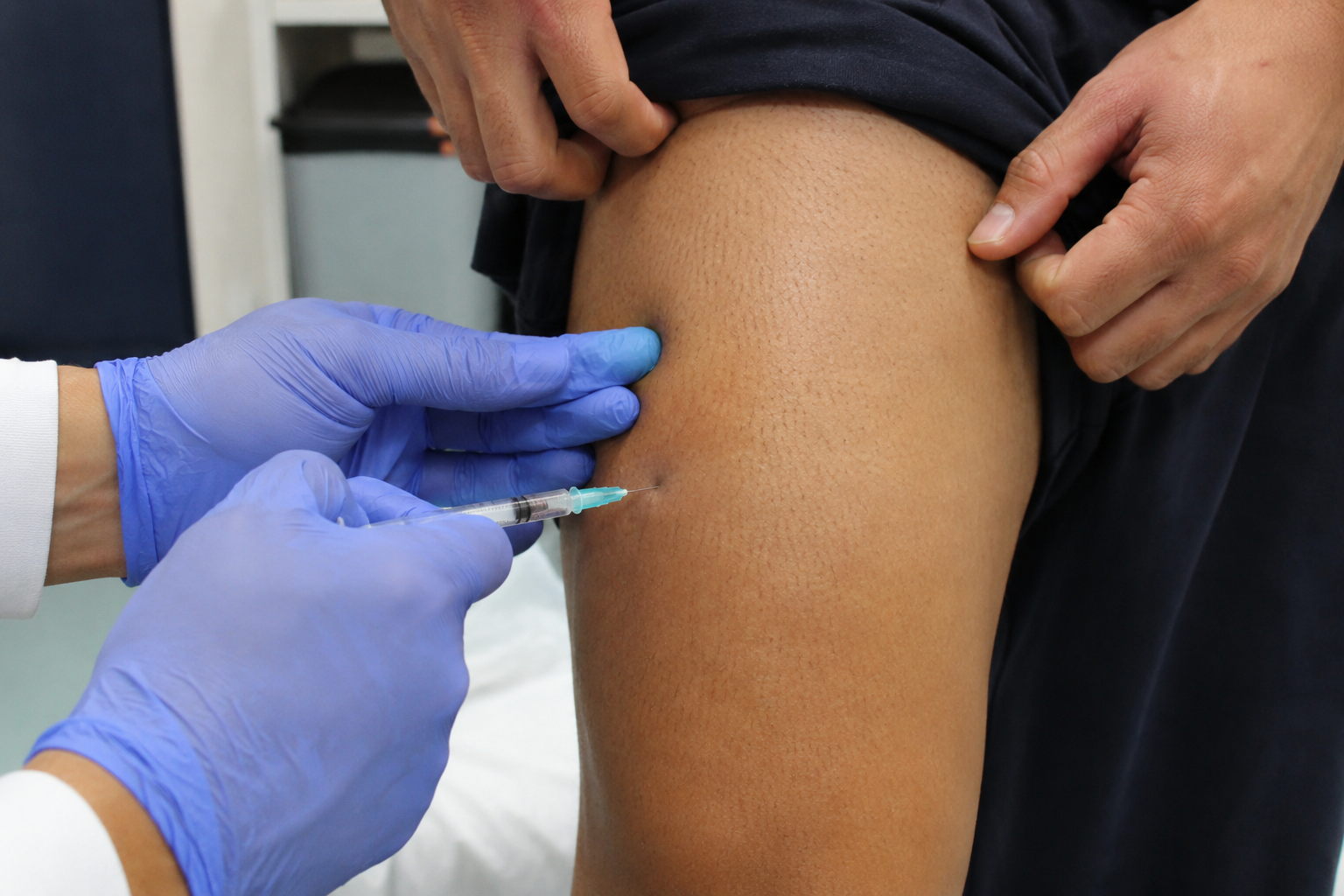
Compare common injection routes used for prescribed testosterone.
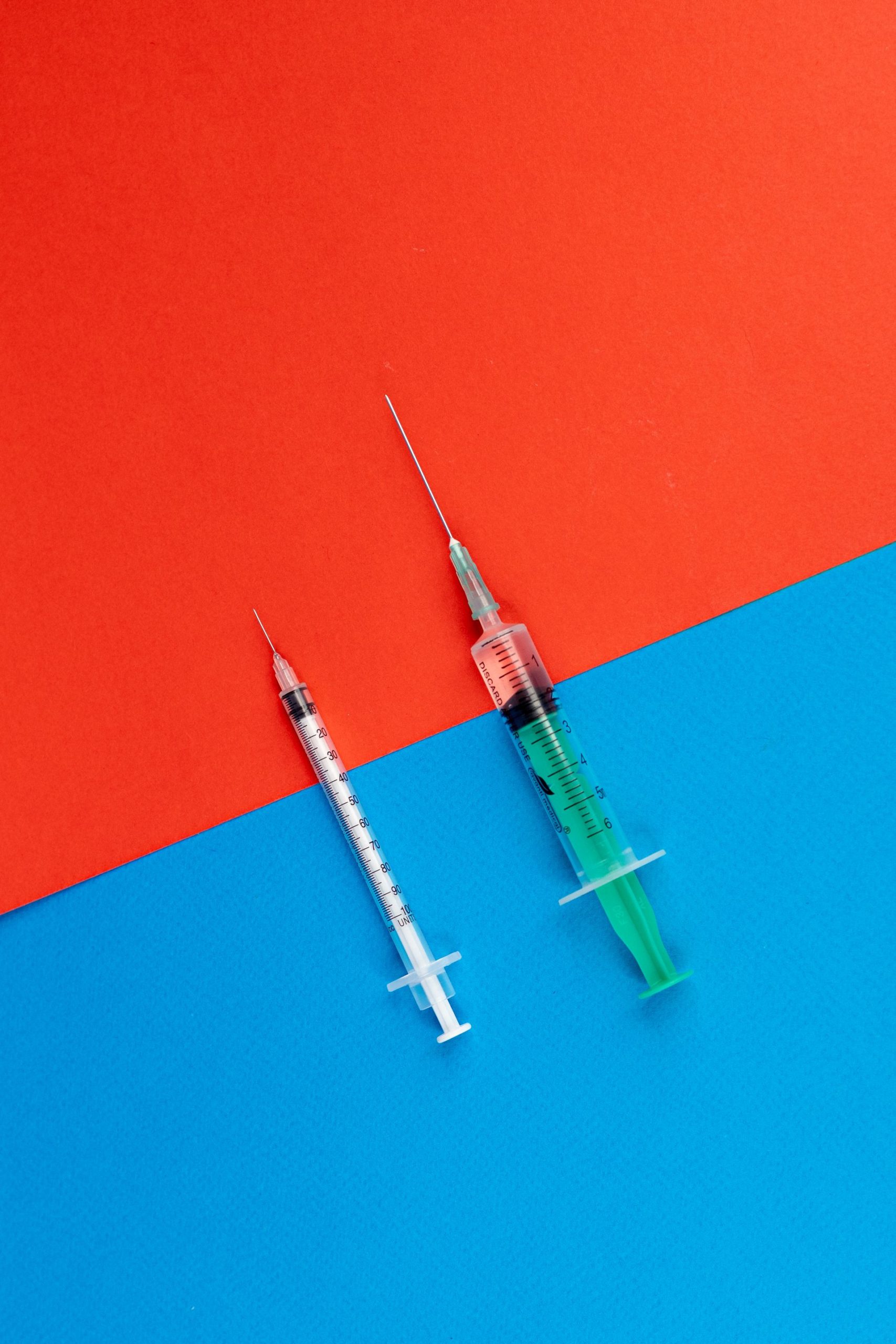
Understand common syringe measurements used with prescribed testosterone.

Learn why hCG may be discussed alongside TRT in certain clinical situations.
Use our free educational tools to understand common testosterone measurements and calculations.
Browse our complete collection of free TRT-related calculators and conversion tools.
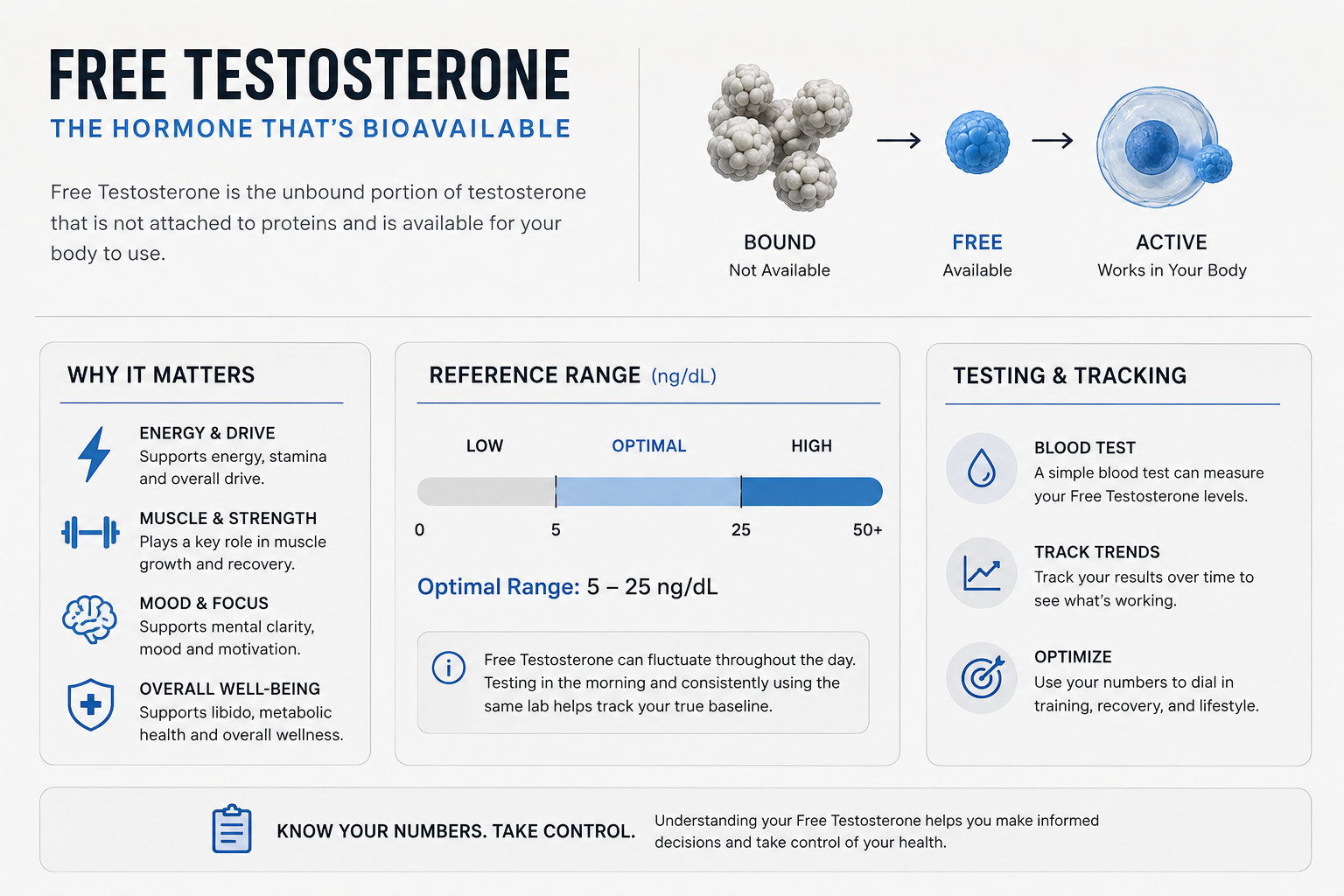
Estimate calculated free testosterone using total testosterone, SHBG and albumin.
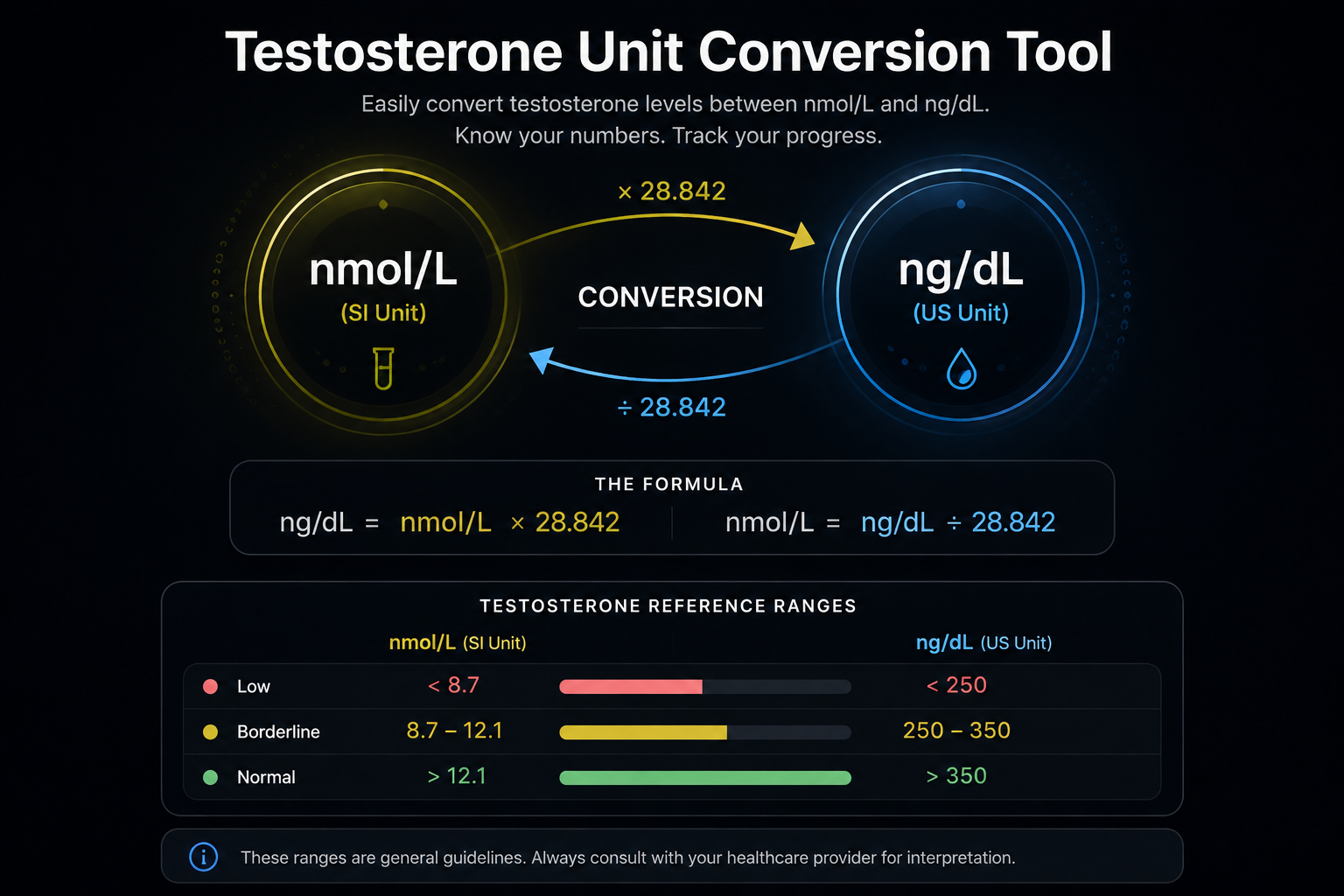
Convert testosterone laboratory values between nmol/L and ng/dL.
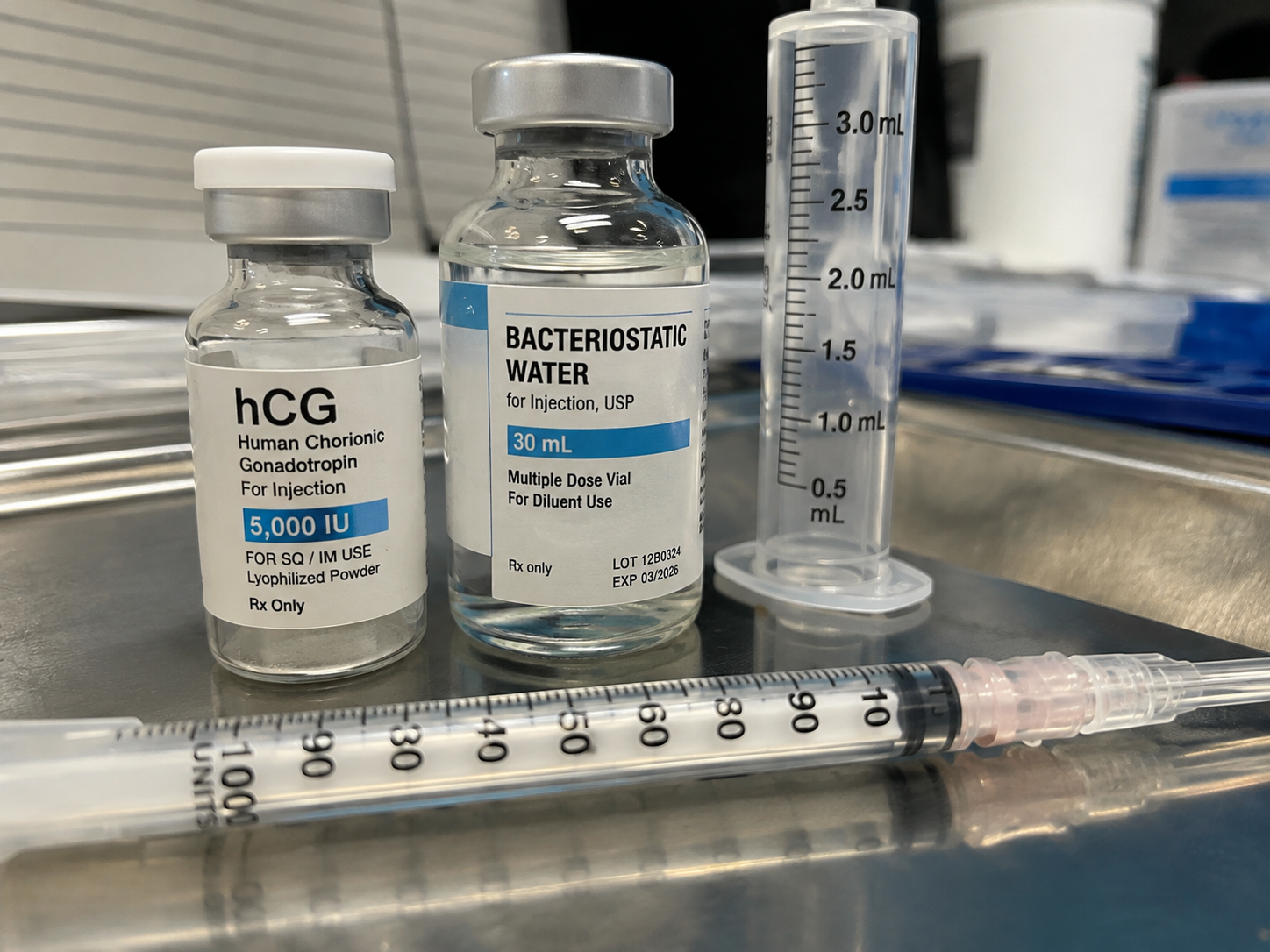
Understand concentrations and syringe measurements for prescribed hCG reconstitution.
UKTRT provides general educational information and is not a medical service. We are not doctors, and information on this website should not be used as a substitute for individual medical advice, diagnosis or treatment.
Testosterone is a prescription medicine in the UK. Decisions about diagnosis, treatment, medication and monitoring should be made with an appropriately qualified healthcare professional who can review your symptoms, medical history and blood results.
TRT is used to treat testosterone deficiency in men where appropriate symptoms and biochemical evidence of low testosterone have been identified and treatment is considered clinically suitable.
Symptoms alone are not enough to confirm testosterone deficiency. Diagnosis generally involves appropriately timed testosterone blood tests alongside symptoms, medical history and clinical assessment.
Yes. Testosterone treatment can be prescribed through the NHS when a patient meets the relevant clinical criteria. The pathway may involve GP assessment, blood testing and referral to specialist services.
Private TRT costs vary substantially between providers and may include consultations, blood tests, prescriptions, medication and ongoing reviews. Our dedicated UK TRT cost guide explains these components in more detail.
Assessment usually includes testosterone testing alongside other relevant hormone and health markers. The exact panel should be determined according to individual circumstances by the clinician carrying out the assessment.
External testosterone can suppress the hormonal signals involved in sperm production and may substantially reduce fertility. Men who want children should discuss fertility before starting TRT with an appropriately qualified healthcare professional.
Testosterone may be available in several formulations, including injectable and topical preparations. The most appropriate treatment depends on clinical circumstances, product availability and the prescribing clinician's assessment.
Yes. Ongoing clinical review and appropriate blood monitoring are important parts of testosterone replacement therapy. Monitoring can assess treatment response and identify changes that may require further investigation or adjustment by the treating clinician.